Why More Homeowners Are Designing Kitchens Around Healthy Living Habits
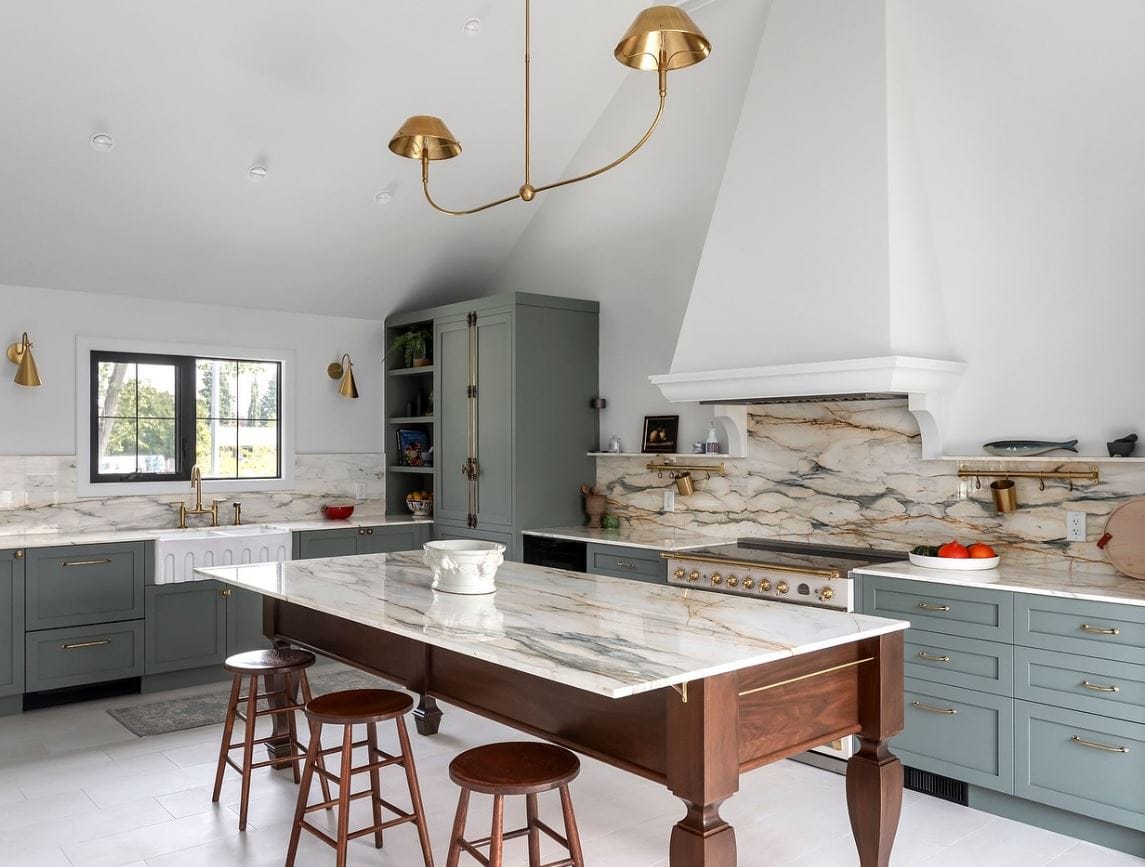
The modern kitchen is changing. It is no longer just a place to cook dinner or store groceries. For many homeowners, the kitchen has become the center of daily wellness, organization, cleanliness, and family connection.
Take a look at current home improvement trends and one theme stands out clearly: people want kitchens that support healthier living habits. From organized refrigerators filled with fresh produce to dedicated smoothie and juicing stations, today’s kitchens are being designed with both functionality and wellness in mind.
This shift is about more than appearance. Homeowners are beginning to understand how kitchen design directly affects everyday routines. A cluttered, poorly organized kitchen often leads to stress, takeout meals, and inconsistent cleaning habits. On the other hand, a clean, efficient, and inviting kitchen encourages healthier eating, easier meal preparation, and better household organization.
The growing focus on wellness-centered kitchens is reshaping how people think about home improvement. And in many homes, small design upgrades are making a surprisingly large impact.
The Rise of Wellness-Focused Kitchen Design
Over the last several years, health-conscious living has become a major influence in home design. More people are cooking at home, preparing fresh meals, and paying closer attention to nutrition and food quality.
As a result, kitchens are evolving into lifestyle spaces instead of purely functional rooms.
Open-concept kitchens are especially popular because they encourage interaction and make meal preparation feel more social and enjoyable. Families gather around kitchen islands, friends prepare meals together, and homeowners increasingly want spaces that feel calm, bright, and organized.
A wellness-focused kitchen often begins with accessibility. When healthy ingredients are easy to reach and clearly visible, people are more likely to use them regularly. Organized fruit bowls, labeled pantry containers, and refrigerator systems designed for fresh produce all support healthier daily choices.
Clutter reduction also plays a major role. Overcrowded countertops and disorganized cabinets can make cooking feel overwhelming. Simple storage improvements help create cleaner workspaces and improve efficiency during meal preparation.
Many homeowners are also incorporating sustainable design elements into their kitchens. Reusable glass containers, energy-efficient appliances, compost systems, and waste-reduction strategies are becoming increasingly common.
These changes are practical, but they also contribute to a cleaner and more manageable home environment. A thoughtfully designed kitchen naturally encourages better maintenance habits because everything has a designated place.
Juicers Have Become a Popular Part of Healthy Kitchen Design
One appliance that has become increasingly common in wellness-focused kitchens is the juicer.
Fresh juice preparation has grown beyond a passing health trend. Many homeowners now incorporate homemade juices, smoothies, and wellness drinks into their daily routines as part of a broader focus on nutrition and hydration.
Because of this, people are designing dedicated beverage stations directly into their kitchen layouts.
A well-planned juicing station helps reduce mess and improve convenience. Instead of constantly moving appliances in and out of cabinets, homeowners are creating permanent countertop spaces for beverage preparation. This setup often includes:
- Easy access to electrical outlets
- Nearby produce storage
- Washable countertop surfaces
- Organized drawers for tools and accessories
- Quick access to sinks for cleanup
Convenience matters because healthy habits are easier to maintain when preparation feels simple.
When selecting a juicer, homeowners often look for appliances that balance performance with practicality. Masticating slow juicers are popular because they operate quietly and preserve juice quality, while compact centrifugal juicers appeal to people with smaller kitchens or busy schedules.
For homeowners who prioritize convenience and easier maintenance, appliances like the Hurom H70 Easy Clean Slow Juicer have become appealing additions to modern kitchen setups because they combine wellness-focused functionality with simplified cleanup.
Easy cleaning has become one of the most important appliance features in modern kitchen design. A difficult cleanup process can quickly discourage regular use, especially in busy households.
This focus on convenience reflects a larger trend in home improvement: homeowners increasingly want kitchens that support daily wellness without creating additional stress or maintenance challenges.
Fresh beverage stations also help reduce dependence on sugary packaged drinks. Many families now prepare infused water, green juices, fruit blends, and homemade smoothies instead of purchasing processed beverages.
These routines not only support healthier eating habits but also reduce packaging waste and improve kitchen organization over time.
Kitchen Improvements That Encourage Cleaner and Healthier Living
Healthy kitchens are not just about food. They are also about creating spaces that are easier to maintain, sanitize, and enjoy.
Storage improvements are one of the most effective upgrades homeowners can make. Modern pantry systems, pull-out shelves, clear storage containers, and refrigerator organizers help reduce clutter while keeping ingredients fresh and visible.
When everything is organized properly, cleaning becomes faster and more manageable.
Fresh produce drawers and dedicated storage areas for healthy snacks can also help reduce food waste. Forgotten ingredients often spoil simply because they are hidden behind cluttered shelves or poorly arranged containers.
Lighting is another surprisingly important element in kitchen wellness design. Bright kitchens with natural light tend to feel more inviting and energizing. Proper lighting also improves visibility during food preparation and cleaning.
Many homeowners are now choosing layered lighting systems that combine overhead lighting, under-cabinet fixtures, and natural daylight to create brighter and cleaner-looking spaces.
Easy-to-clean surfaces are equally important. Quartz countertops, washable backsplashes, and stain-resistant flooring help simplify maintenance while improving sanitation.
Busy households benefit from materials that resist spills, moisture, and bacteria buildup. These features may seem minor individually, but together they significantly reduce the effort required to keep a kitchen clean.
Smart kitchen technology is also becoming more common in modern homes. Touchless faucets, water filtration systems, and energy-efficient appliances support both cleanliness and convenience.
Hydration stations are another growing trend. Some homeowners now install filtered water systems or dedicated beverage areas to encourage healthier drinking habits while reducing reliance on bottled water.
The overall goal is to create a kitchen environment that feels functional, organized, and easy to maintain every day.
Kitchen Design Can Shape Long-Term Habits
One of the most interesting aspects of kitchen improvement is how strongly environment influences behavior.
People are more likely to cook healthy meals when ingredients are easy to access and preparation spaces are clean. They are also more likely to maintain cleaning routines when the kitchen layout supports organization instead of creating frustration.
Small design choices can have a lasting impact.
For example, meal prep stations with cutting boards, knife storage, and nearby produce access make healthy cooking more efficient. Organized snack drawers can encourage better eating habits for both adults and children.
Homeowners are also rediscovering the social role of the kitchen. In many homes, the kitchen functions as a gathering space where conversations happen naturally throughout the day.
Preparing meals together can strengthen family routines and encourage healthier relationships with food. Children who regularly participate in cooking and food preparation often develop better long-term eating habits as well.
At the same time, homeowners want kitchens that feel visually calming. Overly crowded or trendy designs may look appealing online but become difficult to maintain in real life.
That is why many modern kitchen renovations focus on balancing style with practicality. Clean layouts, neutral colors, smart storage, and durable materials tend to age better while remaining easier to clean.
A wellness-focused kitchen does not need to be large or expensive. Even small improvements such as reducing clutter, improving lighting, or organizing appliances more effectively can make a noticeable difference.
The goal is not perfection. It is creating a space that supports healthier and more sustainable daily routines.
Conclusion
More homeowners are designing kitchens around healthy living habits because they recognize how strongly home environments influence everyday life.
A clean, organized, and functional kitchen can encourage healthier eating, simplify meal preparation, reduce stress, and improve household routines. Features such as organized storage, easy-to-clean materials, hydration stations, and dedicated juicing areas are becoming increasingly valuable in modern homes.
These improvements are not only about aesthetics. They are practical investments that help make healthy habits easier to maintain over time.
As wellness-centered living continues to grow, the kitchen is becoming more than just a room for cooking. For many households, it is becoming the foundation for cleaner living, better organization, and a healthier lifestyle overall.