How to Clean a Cold Plunge: The Definitive Professional Guide
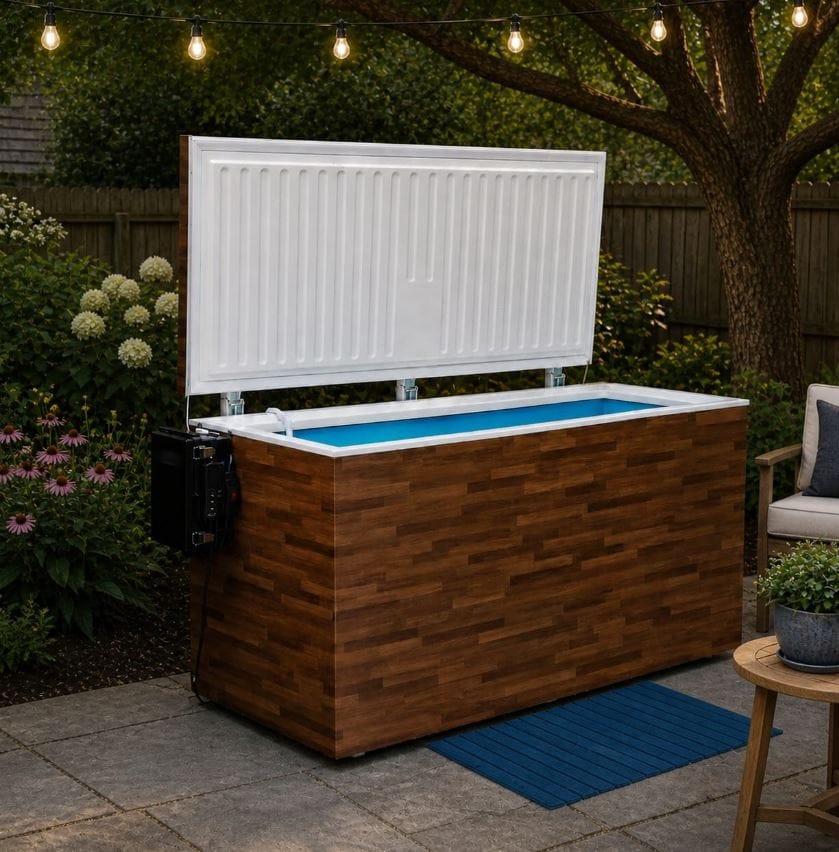
Cold plunging has surged from niche recovery tool to mainstream wellness staple. However, a pristine cold plunge is not just about aesthetics—it is a critical sanitation and equipment longevity issue. Unlike a warm spa, cold water does not auto-sterilize; it can harbor Pseudomonas, Legionella, and biofilm.
This guide provides a science-backed, step-by-step protocol for cleaning both basic tubs and high-end chiller units.
Why Standard Cleaning Fails (The Biofilm Problem)
In warm water (>30°C), chlorine degrades rapidly but kills bacteria effectively. In cold water (<15°C), two problems emerge:
- Chlorine stabilizes but becomes less reactive, requiring higher doses.
- Biofilm—a slimy polymer matrix of bacteria—thrives on cold surfaces. Scrubbing alone cannot remove it without targeted chemicals.
Key Fact: Biofilm can form within 48 hours in a used cold plunge, rendering simple bleach rinses ineffective.
Essential Cleaning Categories
| Category | Frequency | Purpose | Key Agents |
|---|---|---|---|
| Daily | After each use | Remove organic matter (skin cells, oils, sweat) | Net skimmer, UV or ozone (if equipped) |
| Weekly | Every 7 days | Prevent biofilm, balance water chemistry | Non-foaming shock oxidizer, pH test strips |
| Deep Clean | Monthly | Descaling, disinfecting all surfaces | Citric acid (scale), chlorine dioxide (disinfection) |
| System Flush | Quarterly | Clean internal plumbing of chillers/pumps | Peracetic acid or spa line flush |
Method 1: Manual Cold Plunge (Barrel, Stock Tank, Inflatable)
This applies to non-filtered, non-chlorinated setups under 200 gallons.
Step-by-Step Protocol
- Drain completely – Use a submersible pump or gravity drain. Do not leave standing water >24 hours.
- Pre-rinse – Blast surfaces with a garden hose to remove loose debris.
- Apply cleaning solution: Mix 1 part white vinegar to 4 parts water for mild cleaning, or sodium percarbonate (oxygen bleach) 1 tbsp per gallon for heavy biofilm.
- Scrub – Use a soft nylon brush (never metal—it scratches plastic/acrylic). Pay special attention to corners, drain covers, and waterline rings.
- Let sit – 10–15 minutes for vinegar; 30 minutes for percarbonate.
- Rinse thrice – Residual cleaner will cause skin irritation. Rinse until no bubbles or smell.
- Sanitize – Wipe with a 70% isopropyl alcohol spray. Air dry completely before refilling.
Warning: Do not use bleach on inflatable PVC plunges. Bleach degrades vinyl seams and adhesives.
Method 2: Active Chiller System (e.g., Ice Barrel 300, ColdTub, PolarMonkey)
These units have pumps, filters, and often UV/ozone. Cleaning involves both the vessel and the machinery.
Weekly Water Balance Checklist
| Parameter | Ideal Range | Adjustment Method |
|---|---|---|
| Free Chlorine | 1–3 ppm | Dichlor or calcium hypochlorite (spa-grade) |
| pH | 7.2–7.6 | pH down (sodium bisulfate) or up (sodium carbonate) |
| Total Alkalinity | 80–120 ppm | Sodium bicarbonate |
| Oxidation Reduction Potential (ORP) | >650 mV | Shock treatment, ozone check |
Monthly Deep Clean for Chiller Systems
- Power off and unplug the chiller and pump.
- Remove filter cartridge. Rinse with hose. Soak overnight in filter cleaner solution (or 1:10 muriatic acid:water for ceramic filters). Never use dishwasher detergent.
- Flush plumbing lines:
- Fill plunge with fresh water.
- Add spa line flush (follow product dilution).
- Run pump for 2 hours. This dislodges biofilm inside hoses and chiller heat exchanger.
- Drain, rinse, refill with clean water, run pump 15 min, drain again.
- Descale the chiller (if hard water area):
- Bypass the filter. Run a solution of 1 gallon water + 8 oz citric acid through the pump into the chiller for 30 min.
- Drain and flush with baking soda water (1 tbsp per 5 gallons) to neutralize.
- Clean the tub interior as per manual method above.
Chemical Comparison: What to Use & Avoid
| Chemical | Effectiveness vs Biofilm | Material Safety | Skin Residue Risk | Best For |
|---|---|---|---|---|
| Chlorine (liquid) | High | Corrosive to metals/vinyl | High (needs rinse) | Commercial hard-shell plunges |
| Bromine | Medium (slow acting) | Safe for most plastics | Medium | Hot-cold hybrid tubs |
| Hydrogen Peroxide (3%) | Low | Safe | None | Quick wipe-downs |
| Vinegar (acetic acid 5%) | Low | Safe | None | Light descaling |
| Sodium Percarbonate | High (oxygen action) | Safe for acrylic | Low (degrades to water) | Recommended for home use |
| Quaternary Ammonium | High (hospital-grade) | Safe | Medium (eye irritant) | Professional facilities |
Common Mistakes (and Fixes)
- Mistake: Using dish soap. Fix: Soap leaves a residue that traps bacteria and foams in pumps. Use only non-foaming spa cleaners.
- Mistake: Draining and leaving dry for weeks. Fix: Residual moisture in seals breeds mold. Leave drain open and wipe gaskets dry.
- Mistake: Only changing water, not cleaning filters. Fix: A dirty filter becomes a bioreactor. Replace or clean every 2 weeks minimum.
How Often Should You Change the Water?
| Plunge Type | Users | Filtration | Water Change Frequency |
|---|---|---|---|
| Inflatable (no filter) | 1 | None | After every 3–5 uses |
| Stock tank w/ pump | 1–2 | Cartridge only | Every 10–14 days |
| Chiller system w/ UV + ozone | 2–4 | Yes | Every 4–6 weeks |
| Commercial (multiple users/day) | 10+ | Continuous chemical + filter | Weekly or as needed |
Pro Tip: The “No-Clean” Myth
Some manufacturers claim “self-cleaning” via copper ionization or UV. Reality: These reduce microbial load but do not remove body oils, shed skin, or lint. You must still physically wipe surfaces weekly.
Final Checklist for a Perfectly Clean Cold Plunge
- Water is crystal clear with no foam or odor.
- Free chlorine or bromine reads within range.
- pH between 7.2–7.6.
- No visible slime ring at waterline.
- Filter cartridge is white (not gray/brown).
- Chiller intake grate is free of debris.
- Drain valve opens and seals without leaks.
Conclusion
Cleaning a cold plunge is not a luxury—it is a non-negotiable hygiene practice. For home users, a weekly sodium percarbonate scrub + monthly system flush will outperform random bleach dousing. For active chiller systems, water chemistry testing is as important as scrubbing. Follow this guide, and your cold plunge will remain a safe, invigorating tool—not a petri dish.