What Causes Serratia marcescens in Toilet Bowl? A Complete Guide
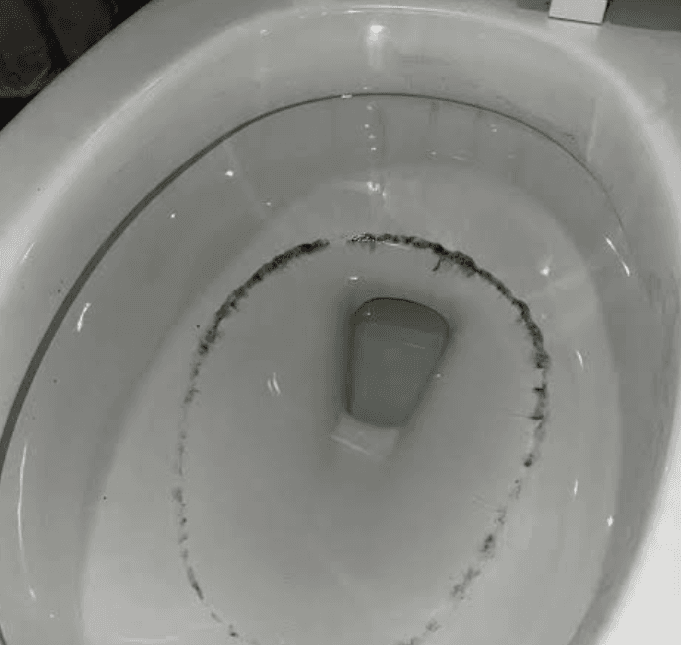
That pink or orange ring around your toilet bowl is not just an aesthetic nuisance—it is a living, breathing bacterial colony. The culprit is Serratia marcescens, a Gram-negative bacterium that thrives in moist environments and produces a distinctive red pigment called prodigiosin .
Understanding what causes this bacterium to appear in your toilet bowl is the first step toward effective removal and prevention. This article explains the biological mechanisms behind its growth, the environmental conditions that favor it, and practical strategies to keep your toilet bowl free of this pink intruder.
What Is Serratia marcescens?
Serratia marcescens is a rod-shaped, Gram-negative bacterium belonging to the family Yersiniaceae . It is a facultative anaerobe, meaning it can survive with or without oxygen, and it is widely distributed in soil, water, and damp indoor environments .
The bacterium was first discovered in 1819 in Italy when it contaminated polenta, turning it red . Its name reflects this history: Serratia honors Serafino Serrati, an Italian steamboat pioneer, while marcescens comes from the Latin word meaning “to decay,” referring to the rapid deterioration of its pigment .
While commonly mistaken for mold, Serratia marcescens is not a fungus—it is bacteria. This distinction matters for treatment, as antifungal agents will not eliminate it .
Why Serratia marcescens Grows in Toilet Bowls
The toilet bowl presents an ideal habitat for this bacterium. Several interconnected factors contribute to its colonization and proliferation.
Moisture: The Primary Driver
Serratia marcescens requires persistent moisture to survive and multiply . The toilet bowl is perpetually wet, particularly at the waterline where condensation and splashing create a consistently humid microclimate. This constant moisture allows the bacteria to form biofilms—slimy, organized communities that adhere firmly to porcelain surfaces and resist simple wiping .
Nutrient Sources: What Feeds the Bacteria
The bacterium does not survive on water alone. It feeds on phosphorus-containing materials and fatty substances commonly found in bathroom environments, including :
- Soap residue and soap scum
- Shampoo traces
- Body oils and dead skin cells
- Minerals from hard water
These organic materials accumulate along the toilet bowl’s waterline, providing a continuous food source for the bacteria .
Environmental Conditions: Warmth and Humidity
Bathrooms create nearly perfect conditions for Serratia marcescens growth: warm temperatures, high humidity, and limited airflow . Poor ventilation allows moisture to linger on surfaces long after use, extending the period during which the bacteria can thrive .
Low-Chlorine Environments
Chlorine in municipal water supplies normally inhibits bacterial growth. However, several factors can reduce chlorine levels enough to allow Serratia marcescens to proliferate :
- Water filtration systems that remove chlorine
- Building water storage tanks where chlorine dissipates over time
- Toilet tanks where water sits stagnant for extended periods
- Well water or untreated water sources
In these low-chlorine environments, the bacterium can establish itself in water lines, tanks, and toilet bowls .
Conditions That Promote Bacterial Growth
The following table summarizes the key conditions that favor Serratia marcescens colonization and the mechanisms behind each factor.
| Condition | Mechanism | Relative Impact |
|---|---|---|
| Persistent moisture | Enables biofilm formation and bacterial motility | High |
| Organic residue (soap, oils) | Provides essential nutrients (phosphorus, fatty acids) | High |
| Warm temperature (25–30°C) | Optimal growth range for the bacterium | Moderate–High |
| Poor ventilation | Traps humidity; slows surface drying | Moderate |
| Low chlorine levels | Removes primary chemical inhibitor | Moderate–High |
| Stagnant water | Allows chlorine dissipation; creates reservoir | Moderate |
Factors That Do Not Cause Serratia marcescens
Several misconceptions surround pink toilet bowl stains. Clarifying what does not cause this bacterium helps focus prevention efforts.
Is Serratia marcescens Dangerous?
For most healthy individuals, Serratia marcescens in the toilet bowl is a nuisance rather than a serious health threat . However, the bacterium is an opportunistic pathogen, meaning it can cause infections when conditions allow .
Populations at Higher Risk
Certain groups face elevated risk from exposure :
- Immunocompromised individuals (cancer patients, transplant recipients, those with HIV/AIDS)
- People with medical devices (catheters, breathing tubes)
- Individuals with open wounds who clean without gloves
- Contact lens wearers who store lenses in contaminated environments
- Hospitalized or long-term care residents
Potential Infections
In vulnerable populations, Serratia marcescens can cause :
- Urinary tract infections
- Respiratory infections (pneumonia)
- Wound infections
- Bloodstream infections (bacteremia)
- Eye infections (conjunctivitis)
In healthcare settings, Serratia marcescens is recognized as a cause of nosocomial (hospital-acquired) infections, particularly associated with contaminated equipment or medical devices .
Comparison: Serratia marcescens vs. Other Toilet Bowl Stains
Distinguishing Serratia marcescens from other common toilet bowl stains ensures appropriate treatment.
| Characteristic | Serratia marcescens | Hard Water Stains | Iron/Rust Stains | Black Mold/Mildew |
|---|---|---|---|---|
| Color | Pink, pink-orange, red | White, gray, brown | Rust, orange-brown | Black, dark green |
| Texture | Slimy film | Crusty, mineral deposit | Staining, sometimes rough | Fuzzy or slimy |
| Primary cause | Bacterial growth | Calcium/magnesium minerals | Iron oxidation | Fungal growth |
| Location | Waterline, bowl surfaces | Waterline, under rim | Waterline, tank | Waterline, corners |
| Removal method | Bleach-based disinfectant | Acid-based cleaners (vinegar) | Acid-based cleaners | Bleach or fungicide |
| Regrowth speed | Rapid (days to weeks) | Slow (weeks to months) | Slow | Moderate |
How to Remove Serratia marcescens from Your Toilet Bowl
Eradicating established Serratia marcescens requires more than routine cleaning. The bacterium’s biofilm protects it from simple wiping, so disinfection is essential .
Effective Cleaning Agents
Step-by-Step Removal Process
- Prepare the area: Ensure adequate ventilation; wear gloves and eye protection.
- Lower the water level (if possible): Turn off the water supply and flush to expose more of the bowl.
- Apply cleaner: Use a bleach-based disinfectant or vinegar/baking soda paste.
- Allow contact time: Let the cleaner sit for 10–30 minutes to penetrate the biofilm.
- Scrub thoroughly: Use a toilet brush or non-abrasive pad, focusing on the waterline and under the rim.
- Flush and inspect: Repeat if any pink residue remains.
- Disinfect the surrounding area: Wipe down the toilet exterior, handle, and floor.
Prevention Strategies
Preventing Serratia marcescens recurrence is more effective than repeated deep cleaning. The following strategies address the root causes of bacterial growth.
Reduce Moisture
- Run the exhaust fan during and after showering (at least 20 minutes)
- Open windows when weather permits to improve airflow
- Wipe down toilet surfaces after cleaning to remove residual moisture
Eliminate Food Sources
- Clean the toilet bowl weekly, even if no visible stains are present
- Remove soap scum and mineral deposits promptly
- Consider a water softener if hard water contributes to residue buildup
Address Water Chemistry
- If you have a whole-house water filter, be aware it may remove chlorine that inhibits bacterial growth
- For infrequently used toilets, flush weekly to prevent stagnant water
- Consider adding a small amount of chlorine bleach to the toilet tank periodically
Maintain Regular Cleaning Schedule
| Frequency | Task |
|---|---|
| Weekly | Scrub bowl with disinfectant; clean under rim |
| Monthly | Inspect tank for biofilm; clean if needed |
| Seasonally | Deep clean entire toilet including exterior and surrounding surfaces |
When to Seek Professional Help
While Serratia marcescens in a home toilet is generally manageable with DIY methods, certain situations warrant professional attention:
- Persistent recurrence despite consistent cleaning efforts
- Immunocompromised household members who may be at risk
- Suspected contamination of the building’s water supply
- Widespread bacterial growth throughout the bathroom
A professional cleaning service or water quality specialist can identify underlying issues such as contaminated water sources or ventilation deficiencies that contribute to recurrent growth .
Conclusion
Serratia marcescens is a ubiquitous environmental bacterium that colonizes toilet bowls when moisture, nutrients, and favorable temperatures align. Its pink pigmentation and slimy biofilm make it easily identifiable, though it is often mistaken for mold. While generally harmless to healthy individuals, it poses risks to immunocompromised people and can be difficult to eradicate once established.
Effective control requires a multi-pronged approach: disrupting the biofilm with bleach-based cleaners, reducing moisture through ventilation, eliminating organic food sources, and maintaining consistent cleaning routines. By understanding what causes this bacterium to appear, you can address the underlying conditions rather than simply treating the symptoms—keeping your toilet bowl clean and your bathroom environment less hospitable to unwanted microbial growth.