Why Home Environment Shapes Best Exercises for Seniors at Home
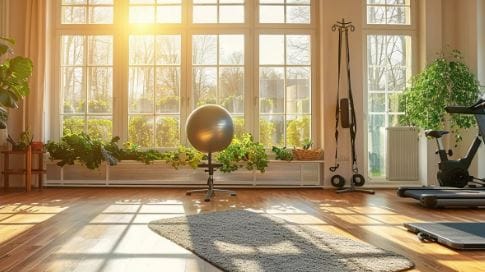
Home environments significantly influence the effectiveness and safety of exercise routines, especially for seniors. As people age, staying active becomes increasingly important for maintaining health and independence. However, not all homes are created equal when it comes to facilitating exercise. Factors like space availability, safety, and accessibility play crucial roles in determining what exercises are most suitable. This article explores how the home environment can shape the Best Exercises for Seniors at Home, providing insights into making these activities both safe and effective.
The Role of Home Environment in Senior Fitness
A thorough Home Performance Assessment can reveal much about a house’s suitability for senior workouts. This assessment helps identify areas where modifications may enhance safety and accessibility. For example, sufficient space for movement is essential, and clutter-free zones reduce the risk of falls. The Building Envelope Evaluation, which assesses the barrier between the interior and exterior of a home, can also indicate areas that may need insulation or ventilation improvements, ensuring a comfortable climate for exercise.
Furthermore, the presence of supportive infrastructure, such as railings or slip-resistant flooring, can make a significant difference. Seniors need environments that encourage movement without fear of injury. Therefore, implementing these changes not only aids in exercise routines but also contributes to overall home safety. According to a recent study by the National Institute on Aging, consistent physical activity can reduce the risk of chronic diseases and improve mobility.
Creating a Safe Space for Exercise at Home
Creating a safe exercise environment involves more than just clearing space. Design-Build Coordination can help integrate exercise-friendly features into home renovations. For instance, installing handrails or using non-slip mats in exercise areas can provide safety and stability. Additionally, ensuring proper lighting in workout spaces will help seniors navigate their environment more securely.
Homeowners might also consider conducting an HVAC Load Calculation to ensure that the temperature remains comfortable during workouts, preventing overheating or excessive cold. With appropriate adjustments, seniors can exercise with peace of mind, knowing their environment supports their health and safety. According to the Centers for Disease Control and Prevention, falls are a leading cause of injury among older adults, making environmental safety a top priority.
Adapting Exercises to Individual Living Conditions
Adapting exercises to suit individual home conditions is vital. A site’s Project Scope Documentation, which outlines the specific changes needed in a home, can guide homeowners in creating a more conducive exercise environment. For example, space constraints might necessitate compact exercise equipment, while larger homes could accommodate more expansive workouts.
Moreover, seniors living in multi-level homes might benefit from exercises that incorporate stair use, provided safety precautions are in place. The versatility of exercise routines can be enhanced by considering the unique attributes of one’s home. By referring to the Best Exercises for Seniors at Home, seniors can find exercises that fit their living conditions while boosting their overall health.
Incorporating Daily Activities into Senior Workouts
Incorporating daily activities into workouts can make exercise more accessible and less daunting for seniors. Tasks like gardening or house cleaning can be transformed into effective physical activities. A Green Building Certification, which ensures energy-efficient home designs, often includes outdoor spaces conducive to gardening activities, blending exercise with daily life.
Additionally, regular evaluation of household activities through systems like a Punch List Completion ensures that these activities are done safely and effectively. By integrating everyday tasks into workout routines, seniors stay active without needing separate, structured exercise sessions, making fitness a seamless part of daily life.
Conclusion
The home environment plays a critical role in shaping the Best Exercises for Seniors at Home. By focusing on safety, adaptability, and the integration of daily activities, seniors can maintain an active lifestyle well-suited to their living conditions. Ensuring a supportive home environment empowers seniors to engage in exercise confidently, enhancing their overall health and well-being. Prioritizing these elements provides a tangible benefit to seniors looking to stay fit without leaving their homes.