How to Thicken Castile Soap: A Professional Guide to Achieving the Perfect Consistency
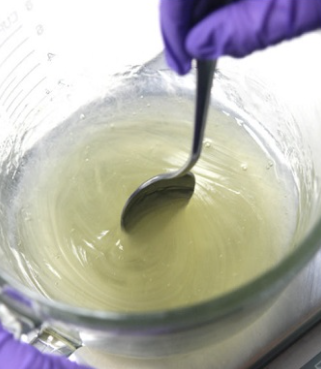
Castile soap is renowned for its gentleness and versatility, but its naturally watery consistency often poses a practical challenge for users. Whether you are transferring it into a pump dispenser or attempting to create a more luxurious body wash, the thin texture can lead to waste and frustration. This guide provides a comprehensive, professional overview of the methods available to thicken Castile soap, complete with comparison tables and troubleshooting advice to ensure you achieve the desired viscosity without compromising the product’s integrity.
Understanding the Chemistry: Why Castile Soap is Thin
Before modifying the product, it is essential to understand its composition. Traditional Castile soap is made from vegetable oils (historically olive oil) and potassium hydroxide (lye), resulting in a liquid soap rich in glycerin . Unlike commercial body washes that rely on synthetic surfactants and chemical thickeners to achieve a gel-like texture, true Castile soap lacks these additives. Its thinness is a natural characteristic of the saponification process, not a defect. Therefore, any thickening method must work with the soap’s natural chemistry rather than against it.
Primary Methods for Thickening Castile Soap
There are two primary approaches to thickening Castile soap: the Salt Method (electrolyte thickening) and the Gum Method (polysaccharide thickening). The efficacy of each depends heavily on whether the soap is pure and undiluted or has already been mixed with water.
The Salt Method (For Pure, Undiluted Castile)
Salt (sodium chloride) is the most traditional method for thickening liquid soap. The mechanism involves the sodium ions interacting with the soap molecules, causing them to crowd together and form larger micelles, which increases viscosity .
Critical Caveat: This method only works with pure, undiluted Castile soap that has a high olive oil content. If you have already diluted your soap with water or are using a commercial brand that is already diluted (such as Dr. Bronner’s), adding salt will likely fail to thicken it and may instead cause the soap to separate or become cloudy .
Procedure:
- Create a Saline Solution: Never add dry salt directly to the soap. Mix approximately 0.5 oz of plain table salt (non-iodized is preferred) with 1.5 oz of warm distilled water until fully dissolved .
- Incorporate Slowly: Add the saline solution to your Castile soap a few drops at a time, stirring gently. It is crucial to add it slowly, as over-saturation can cause the soap to “break” and become thinner or clumpy .
- Observe: The mixture will begin to thicken as you stir. Stop adding the solution once you reach the desired consistency.
The Gum Method (For Diluted or Formulated Castile)
If your Castile soap has been diluted with water or you are working with a formula that requires a stable gel texture, polysaccharide gums are the professional standard. Xanthan gum and guar gum are the most common choices. They work by absorbing water and creating a gel network, effectively thickening the water phase of the product.
Procedure:
- Disperse the Gum: To prevent clumping, never add the gum directly to water. Instead, mix the gum with a small amount of glycerin (or oil) first to create a smooth paste .
- Combine: Add your water-based Castile mixture to the paste while stirring vigorously. An immersion blender is highly effective for ensuring a smooth, consistent texture .
- Rest: The mixture will continue to thicken over the next hour as the gum hydrates fully .
Comparative Analysis of Thickening Agents
The following table provides a professional comparison of the most effective thickening agents for Castile soap, based on their suitability for different applications.
Troubleshooting: When Thickening Goes Wrong
Even with precise measurements, thickening Castile soap can be unpredictable. Here are solutions to common issues.
Issue 1: The Soap Separated or Curdled
This is most often caused by adding too much salt to a soap that contains hard water minerals or is already diluted. Solution: Unfortunately, separation is difficult to reverse. You can attempt to gently warm the mixture and stir, but if it remains curdled, it is best used for cleaning purposes rather than skin application.
Issue 2: The Mixture is Cloudy
Cloudiness is a common reaction when using tap water (which contains minerals) with salt or when adding essential oils to a Castile base . Solution: Use distilled water for all dilutions and saline solutions to maintain clarity. If cloudiness occurs after adding essential oils, it is usually a cosmetic issue and does not affect the function of the soap.
Issue 3: The Soap is Too Thick
Over-thickened soap is easier to fix than separated soap. Solution: Simply add small amounts of distilled water and stir gently until the desired consistency is reached . Be patient, as the full viscosity may take an hour to stabilize.
Frequently Asked Questions (FAQs)
1. Can I thicken Dr. Bronner’s Castile Soap with salt?
Generally, no. Dr. Bronner’s and similar commercial liquid Castile soaps are already diluted and formulated for use. The salt method relies on the specific concentration of pure soap molecules. Adding salt to Dr. Bronner’s will likely cause it to become cloudy and separate rather than thicken . For these products, using a foaming pump dispenser is the recommended approach to improve lather and control . If you must thicken a diluted soap, use xanthan gum.
2. What is the best way to thicken Castile soap for a body wash?
For a body wash, xanthan gum is the most reliable choice. Create a slurry by mixing xanthan gum with a small amount of glycerin, then blend it into your diluted Castile soap base using an immersion blender . This method provides a stable, skin-friendly gel texture that won’t separate like salt can in diluted formulas.
3. Why did my salt thickening attempt make the soap thinner?
Salt thickening is a delicate equilibrium. There is a specific “sweet spot” for salt concentration. If you add too much saline solution, the electrolyte balance shifts, and the soap micelles collapse back into a thinner state (or separate entirely). This is why professional guides recommend adding the solution drop by drop and stopping immediately once thickening begins .
4. Can I use Epsom salt to thicken Castile soap?
No. Epsom salt (magnesium sulfate) is chemically different from table salt (sodium chloride). It does not interact with soap micelles in the same way to create viscosity. In fact, Epsom salt is often used in soapmaking to create a “solubilizer” or to thin out thick soap pastes. Stick to plain, non-iodized table salt for the electrolyte method.
5. How long does thickened Castile soap last?
The shelf life depends on the method. Pure, undiluted Castile soap has a shelf life of up to two years. Once you dilute it with water to thicken it (or for any other reason), the water introduces the risk of microbial growth. Diluted Castile soap should be used within 2 weeks to 1 month unless you use distilled water and strict hygiene, which can extend it up to 6 months . Always make small batches to ensure freshness.