Can You Have Apple Cider Vinegar with Diverticulitis?
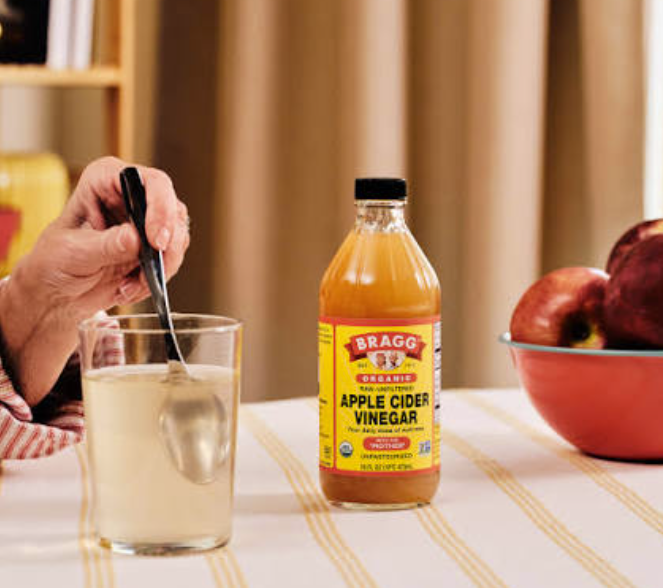
Quick Answer: Apple cider vinegar is not recommended during an active diverticulitis flare-up due to its high acidity, which can further irritate inflamed intestinal tissue. During remission, small amounts of diluted ACV may be tolerable for some individuals, but there is no clinical evidence supporting its use for treating or preventing diverticulitis. Always consult your healthcare provider before adding ACV to your routine.
Understanding the Connection: ACV and Diverticulitis
Diverticulitis occurs when small pouches (diverticula) that have formed in the colon wall become inflamed or infected. This condition can cause severe abdominal pain, fever, and significant changes in bowel habits . The management of diverticulitis follows a distinct dietary approach that varies depending on whether you are experiencing an active flare-up, recovering, or trying to prevent future episodes .
Apple cider vinegar has gained popularity as a home remedy for various digestive complaints, largely due to its acetic acid content, which is believed to have antimicrobial properties . However, the relationship between ACV and diverticulitis is complicated by the fact that diverticulitis involves active inflammation and sometimes infection—a context in which acidic substances may do more harm than good.
The Critical Factor: Acidity and Inflammation
The primary concern with ACV in the context of diverticulitis is its highly acidic nature. Undiluted apple cider vinegar can irritate the lining of the stomach and intestines, and during an active flare-up when the bowel wall is already inflamed, this irritation could potentially worsen symptoms such as abdominal pain, bloating, or discomfort .
Medical guidelines consistently emphasize the need to rest the bowel during diverticulitis flare-ups. Healthcare professionals typically recommend a clear liquid diet or low-fiber diet during acute episodes to allow the inflamed tissue to heal . Introducing a highly acidic substance like ACV during this period contradicts this fundamental principle of bowel rest and could delay recovery.
What the Evidence Says
There is limited scientific evidence directly linking apple cider vinegar to improvement or deterioration of diverticulitis . Most available research on ACV focuses on general gut health, digestion, or blood sugar regulation—not specifically on diverticular disease .
Claims that ACV can “kill” or “cure” diverticulitis are not supported by clinical evidence . Diverticulitis is a complex condition involving bacterial infection, immune response, and structural changes in the colon. Simply consuming vinegar—regardless of its purported health benefits—does not eradicate infection or resolve inflammation in the colon .
Some preliminary research has explored ACV’s potential to modulate gut microbiota and improve gut barrier function in animal models of colitis . However, these studies are not directly applicable to human diverticulitis and should not be used as a basis for self-treatment.
ACV During Different Stages of Diverticulitis
The safety and appropriateness of apple cider vinegar depend significantly on which stage of diverticulitis you are experiencing. The following table summarizes the recommendations for each phase:
Potential Risks of ACV
Even outside of diverticulitis concerns, apple cider vinegar carries several potential risks that warrant consideration:
Safe Usage Considerations (If Approved by Your Doctor)
If your healthcare provider has approved ACV use during a period of remission, the following precautions are generally recommended :
- Always dilute: Mix 1–2 teaspoons of ACV in a full glass of water—never consume it undiluted.
- Start small: Begin with a small amount once daily and monitor your body’s response.
- Use a straw: This helps protect tooth enamel from acid exposure.
- Rinse afterward: Rinse your mouth with water after drinking ACV.
- Do not rely on it: ACV should never be used as a stand-alone treatment for diverticulitis or as a substitute for prescribed medical care.
Evidence-Based Dietary Approach for Diverticulitis
Rather than focusing on ACV, the established dietary framework for diverticulitis management emphasizes the following evidence-based strategies:
During a Flare-Up
- Clear liquid diet: Broth, clear juices without pulp, water, plain tea or coffee, gelatin, and ice pops
- Low-fiber foods as symptoms improve: White bread, white rice, refined pasta, well-cooked vegetables without skins or seeds, canned fruits without skins, lean proteins, eggs, and smooth nut butters
- Small, frequent meals: Aim for 5–6 small meals per day rather than large meals
During Remission (Prevention)
- High-fiber diet: Aim for 20–35 grams of fiber daily from whole grains, fruits, vegetables, legumes, nuts, and seeds
- Gradual fiber increase: Increase fiber slowly over several weeks to avoid bloating and discomfort
- Adequate hydration: Drink 6–8 cups (1.5–2 liters) of fluid daily to help fiber function properly
- Limit red meat: Some evidence suggests high red meat consumption may increase diverticulitis risk
Notably, the long-standing recommendation to avoid nuts, seeds, corn, and popcorn has been disproven. Current evidence indicates these foods do not increase diverticulitis risk and need only be avoided if they cause individual symptoms .
When to Call Your Doctor
If you are managing diverticulitis at home, seek medical attention if you experience any of the following :
- Fever
- Worsening abdominal pain
- Inability to keep liquids down
- No improvement after 2–3 days on a clear liquid or low-fiber diet
These signs may indicate a more serious infection or complication requiring medical intervention.
Frequently Asked Questions
Can apple cider vinegar cause diverticulitis?
There is no evidence that ACV causes diverticulitis. However, its high acidity could potentially irritate existing diverticula or inflamed tissue, which is why it is not recommended during flare-ups .
Does apple cider vinegar help with diverticulitis pain?
No clinical evidence supports ACV as an effective treatment for diverticulitis pain. The acidity may actually worsen discomfort during an active flare-up .
Can I take ACV capsules instead of liquid?
ACV capsules may be less irritating to the esophagus and tooth enamel than liquid vinegar. However, the same lack of evidence for diverticulitis benefit applies, and capsules may still cause gastrointestinal irritation in some individuals .
What about other types of vinegar?
The same precautions apply to all types of vinegar due to their acidity. There is no evidence that any vinegar type is beneficial for diverticulitis.
Conclusion
Apple cider vinegar is not a safe or recommended choice during an active diverticulitis flare-up and has no proven role in preventing the condition. The foundation of diverticulitis management remains a staged dietary approach—clear liquids and low-fiber foods during flare-ups, transitioning to a high-fiber diet during remission—combined with appropriate medical care when needed .
If you are considering ACV for general digestive health or other purposes, discuss it with your healthcare provider first, especially if you have a history of diverticulitis or other gastrointestinal conditions. Self-treating with ACV or any home remedy without medical guidance could delay proper treatment and potentially worsen your condition .