Can I Vacuum After Pest Control? The Complete Guide to Post-Treatment Cleaning
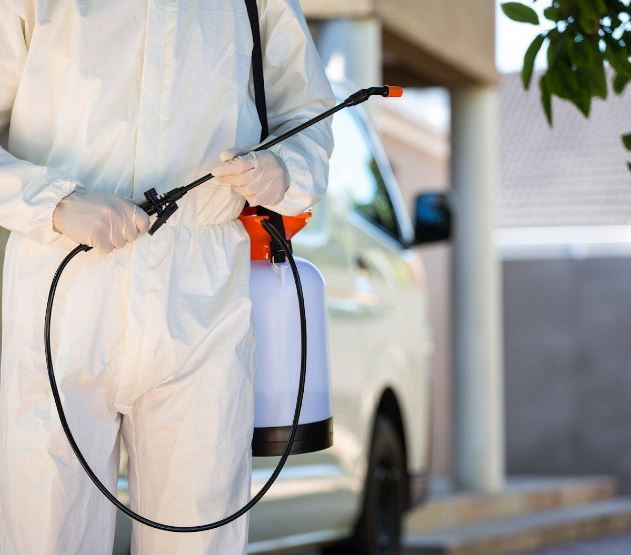
After a professional pest control treatment, one of the most common questions homeowners ask is whether it’s safe to vacuum. The answer is not a simple yes or no—it depends entirely on the type of pest being treated and the specific products applied. Vacuuming too soon can render an expensive professional treatment completely ineffective, while waiting unnecessarily long can leave your home covered in dead insects and debris.
This guide explains the science behind post-treatment vacuuming restrictions, provides clear timelines for different pest scenarios, and offers practical steps to protect your family and your investment.
The Short Answer: It Depends on the Pest
The critical factor determining whether you can vacuum is whether the treatment relies on residual insecticides that need to remain undisturbed on surfaces. For many crawling insects—particularly fleas, bed bugs, and carpet moths—the insecticide is designed to remain active on carpets and flooring for weeks, killing pests that emerge from eggs or return to treated areas.
Vacuuming removes this residual layer, breaking the treatment chain and allowing surviving pests to reinfest your home.
Why Vacuuming Can Ruin Your Treatment
Professional pest treatments for fleas, bed bugs, and similar pests work on a residual contact principle. The technician applies insecticide to carpets, skirting boards, and upholstery. When a pest walks across the treated surface, it absorbs a lethal dose.
This approach is essential because no treatment can kill every egg instantly. Eggs that survive the initial application will hatch days or even weeks later. When they do, they must encounter the residual insecticide to be eliminated. If you vacuum on day three, you remove that chemical barrier, and the newly hatched pests survive to reinfest your home.
The Stroud District Council explains this clearly: “If you do [vacuum], you will remove all the insecticide and any insects which are still eggs will not come into contact with any insecticide when they hatch. The longer you leave the area without vacuuming the greater the chance that treatment will be successful” .
Pest-Specific Vacuuming Guidelines
Bed Bugs: The Strictest Restrictions
Bed bug treatments demand the most rigorous post-treatment discipline. Multiple local authorities and pest control providers consistently recommend 10 to 14 days without vacuuming following treatment .
The Watford Borough Council specifies an important nuance: “Do not vacuum the edges of the rooms where treatment has been carried out for at least 14 days” . This is because technicians focus applications on room perimeters, seams, and crevices—the areas where bed bugs harbor.
After the waiting period: When you do resume vacuuming, dispose of the vacuum bag immediately in an outdoor waste bin. Seal it in a plastic bag first to prevent any surviving insects from escaping back into your home .
Fleas and Carpet Moths: Residual Protection Required
Flea treatments follow the same logic. The Bath and North East Somerset Council advises: “If possible, do not vacuum for at least 10–14 days after treatment, as vacuuming will remove the insecticide from the room” .
For flea infestations, the insecticide remains active and effective for 6–8 weeks . Vacuuming during this window reduces the treatment’s residual killing power. Continue emptying your vacuum cleaner bag outside during this period.
Cockroaches and Ants: Bait Preservation
For bait-based treatments, the concern shifts from residual spray to preserving the bait itself. Vacuuming near bait stations or gel placements can disturb or remove the bait before pests have consumed it.
Rentokil’s guidance for cockroaches notes: “Expect to see more movement at first as they’re drawn to the bait” . For ants, “Don’t spray trails with cleaners, as this may disrupt bait effectiveness” . Vacuuming these trails would have the same disruptive effect.
General Treatments: Drying Time Is Key
For broad-spectrum indoor treatments that rely on quick-acting contact sprays, the primary concern is allowing surfaces to dry completely before any activity. Rentokil advises allowing treated surfaces to dry completely before using the area . The typical drying time is 2 to 4 hours, though this varies with ventilation and humidity .
Once surfaces are dry, light vacuuming away from treated edges is generally acceptable. However, even here, avoiding the perimeter of rooms for 24 hours is prudent, as technicians typically concentrate applications along skirting boards .
Critical Post-Treatment Practices
Ventilation Comes First
Before vacuuming considerations even arise, proper ventilation is essential. Open windows and doors after the technician confirms it’s safe to re-enter to dissipate any lingering odors . Re-entry times vary—some treatments allow return within 2–4 hours, while others may require longer .
Wait Before Cleaning Treated Surfaces
The 24-hour rule applies to mopping and wiping as well as vacuuming. Rentokil recommends avoiding mopping floors, wiping treated surfaces, or using strong cleaning agents for at least 24 hours after treatment . Urgent cleaning should avoid room edges and skirting boards entirely .
Manage Your Vacuum After Use
When you do resume vacuuming—whether after the full 14-day wait or a shorter period for less residual-dependent treatments—proper disposal is critical. Empty the vacuum directly into an outdoor dustbin and change the bag immediately . This prevents any collected insects or eggs from re-entering your living space.
Expect Continued Pest Activity
Seeing pests after treatment does not mean the treatment failed. For bed bugs, activity may continue for several days but will decline over the following weeks . For cockroaches, increased activity immediately after bait placement is actually a positive sign that the bait is working . Vacuuming during this period disrupts the natural treatment process.
What About Professional-Grade vs. DIY Products?
The vacuuming restrictions discussed here primarily apply to professional residual spray treatments. Store-bought aerosol products often have different formulations and shorter residual effects. However, the safest approach remains consistent: follow the specific instructions provided by your pest control technician .
If you used a DIY product, check the label for post-application instructions. Most contact sprays only require waiting until surfaces are dry—typically 2–3 hours—before resuming normal activity .
When to Call Your Pest Control Provider
Contact your provider if you notice:
- Continued pest activity beyond 2–3 weeks after treatment
- New activity in areas that were not previously infested
- No reduction in pest sightings after the expected timeframe
- Uncertainty about whether vacuuming has compromised the treatment
Professional pest control providers can assess whether a follow-up treatment is needed. Following the technician’s recommendations significantly reduces the likelihood of pests returning and improves the long-term effectiveness of the service .
Frequently Asked Questions
Can I vacuum just one room that wasn’t treated?
If a room was not treated at all, vacuuming it poses no risk to the treatment. However, be cautious about tracking insects from treated to untreated areas. Isolate the untreated room by closing doors and using separate footwear if necessary.
What if I absolutely must vacuum during the waiting period?
If circumstances make vacuuming unavoidable, vacuum only the center of rooms and avoid all edges, skirting boards, and areas where you observed the technician applying product. Accept that this will reduce treatment effectiveness and plan for a follow-up treatment.
Does vacuuming kill fleas and bed bugs?
Vacuuming removes some insects and eggs, but it does not eliminate infestations. It can stimulate fleas to emerge from cocoons, which is why some protocols actually recommend vacuuming before treatment to trigger emergence. After treatment, vacuuming’s main purpose is removing dead insects and debris—not controlling the infestation.
How do I know if my treatment is residual or contact-based?
Ask your technician directly. Residual treatments leave active insecticide on surfaces for weeks; contact treatments kill only on direct application. This distinction determines your vacuuming timeline.
Can I sweep instead of vacuum?
Sweeping hard floors is generally safer than vacuuming carpets during the waiting period, as it doesn’t remove as much residual product. However, avoid sweeping treated edges and dispose of sweepings promptly.