The Hidden Hazards in Your Home: Why Clean Doesn’t Always Mean Safe
A perfectly clean house looks great, but is it actually safe? Chemical splashes, slip-and-falls, and sudden medical emergencies happen in spotless homes every single day. Merging your routine cleaning habits with basic first aid knowledge ensures you are fully prepared to handle unexpected household crises effectively.
We spend a lot of time obsessing over our living spaces. Especially in a city like Toronto, where winter slush gets tracked through the hallway for half the year, keeping the house tidy feels like a full-time job. We hire cleaning professionals or spend our Sunday mornings scrubbing floors. But safety is an entirely different beast. A gleaming kitchen counter won’t help you if a family member suddenly starts choking during dinner. Getting professional, hands-on training from a provider like Coast2Coast First Aid & Aquatics gives you the actual skills to deal with the hazards hiding right under your nose. It shifts your focus from just maintaining a pretty home to maintaining a safe one.
- What are the most common dangers hiding in your cleaning cabinet?
We’ve all accidentally mixed two cleaners we shouldn’t have, suddenly holding our breath as a sharp, chemical smell hits the air. The space beneath your kitchen sink is essentially a hazardous materials zone. Bleach, ammonia, oven cleaners, and drain uncloggers are incredibly harsh chemicals.
When you or your cleaning professional are rushing to scrub a stubborn stain, accidents happen. A dropped bottle can splash directly into the eyes. A leaky cap can leave caustic residue on your skin. These aren’t just minor inconveniences; they are immediate medical situations that require fast action.
- How should you handle a chemical splash to the eye?
Panic is your worst enemy here. If a cleaning chemical splashes into someone’s eye, they will instinctively want to rub it. Stop them immediately. Rubbing will only grind the chemical deeper into the delicate tissue of the eye.
Get them to a sink or the shower right away. You need to flush the eye with lukewarm tap water for a full 15 to 20 minutes. It feels like an eternity when you are doing it, but this dilution process is what saves their vision. Keep the affected eye lower than the good eye so the contaminated water doesn’t run across the bridge of their nose. Once the flushing is done, head straight to the emergency room or a local walk-in clinic.
- Can a freshly mopped floor cause a real emergency?
Absolutely. We tend to laugh off slips and falls because of old slapstick cartoons, but they are a leading cause of home injuries. A freshly mopped hardwood floor or a slick bathroom tile is incredibly dangerous.
If someone takes a hard fall, don’t just yank them back up to their feet. If they hit their head or twist their neck, moving them too quickly can cause permanent spinal damage. Ask them where it hurts. If they feel dizzy, nauseous, or have a severe headache, you might be dealing with a concussion. Keep them still, keep them calm, and call for professional medical advice.
- Where should you actually store your household first aid kit?
Most people shove their first aid kit into the back of a bathroom drawer. That’s a terrible spot. Bathrooms are damp and humid, which ruins adhesive bandages and causes metal scissors to rust.
Your first aid kit belongs in the kitchen. The kitchen is the heart of the home, where the majority of burns, cuts, and cooking accidents happen. It’s also usually a central, easily accessible location. Make sure everyone in the house, including your regular house cleaner or babysitter, knows exactly which cabinet it lives in.
- Why do professional cleaners prioritize basic safety training?
The best home service professionals know that a clean environment is only part of the job. They are working in unfamiliar environments every day, dealing with wet surfaces, heavy vacuums, and sharp objects.
When a cleaner is trained in basic first aid, they protect themselves and your property. If they accidentally cut themselves on a broken glass hidden in the trash, they know how to stop the bleeding and sanitize the area safely. For homeowners, adopting this same mindset means your home isn’t just aesthetically pleasing—it’s a genuinely safe haven for your family.
If you are looking for first aid training near Koreatown, the intersection of Bathurst and Bloor, or other areas close to our facility, then you may reach out to Coast2Coast First Aid/CPR – Toronto in that area. For more info and articles like this visit our website.
- Frequently Asked Questions
1. Should I induce vomiting if my child swallows a cleaning product? No. Never induce vomiting unless explicitly told to do so by Poison Control. Throwing up harsh chemicals can severely burn the esophagus on the way back up. Call your local poison center immediately.
2. What is the safest way to clean up broken glass? Sweep up the large pieces carefully. For the tiny, invisible shards, press a damp paper towel or a slice of soft bread over the floor. The glass will stick to it safely without cutting your fingers.
3. Are “natural” cleaning products safer to mix together? Not always. Mixing natural ingredients like baking soda and vinegar just neutralizes them, making a useless salty water. However, mixing vinegar and hydrogen peroxide creates peracetic acid, which is highly toxic and can irritate your lungs.
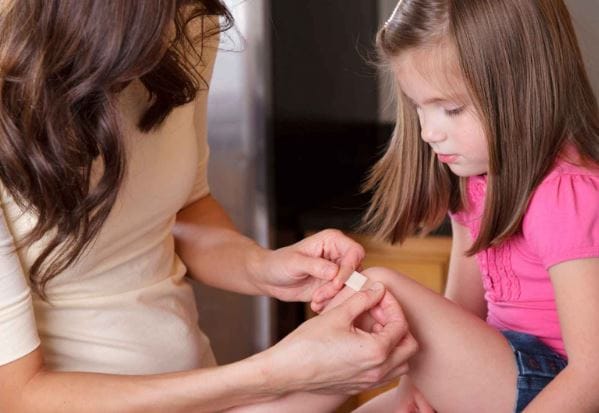
4. How do I treat a minor cut from a kitchen knife? Wash the cut gently with mild soap and water. Apply firm, direct pressure with a clean cloth until the bleeding stops. Then, apply a sterile bandage. Skip the rubbing alcohol, as it damages the healing tissue.
5. How long does a standard home first aid kit last? The container lasts forever, but the contents expire. Check your kit once a year. Toss out dried-up wipes, expired ointments, and bandages that have lost their sticky adhesive.