The Complete Guide to Washing Bamboo Bed Sheets: Preserve Softness and Extend Longevity
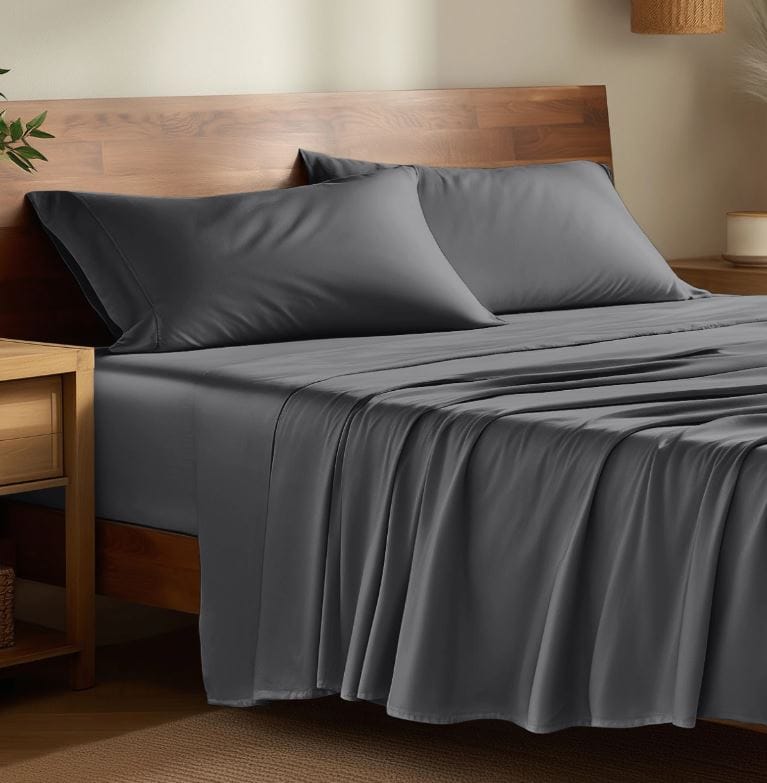
Bamboo bed sheets have gained significant popularity for their exceptional softness, breathability, and eco-friendly properties. However, the delicate nature of bamboo viscose fibers demands specific care practices to maintain their luxurious feel and ensure longevity. Improper washing is the primary cause of pilling, shrinkage, and premature wear . This comprehensive guide provides professional-grade instructions to help you preserve your bamboo bedding investment.
Why Bamboo Sheets Require Specialized Care
Bamboo viscose is a semi-synthetic cellulose fiber created by dissolving bamboo plant cellulose and reconstituting it into smooth filaments . This manufacturing process produces a fabric with low inter-fiber friction, resulting in its signature silky hand-feel. However, this smooth surface is vulnerable to heat and aggressive mechanical agitation.
Unlike cotton, which can tolerate higher temperatures and more vigorous washing cycles, bamboo fibers are more delicate and can break down quickly when exposed to harsh conditions . High heat can cause fiber contraction and permanent hardening, while excessive agitation can cause surface filaments to tangle and pill .
Washing Your Bamboo Sheets: Step-by-Step Protocol
First Wash Preparation
Always wash new bamboo sheets before first use. This initial wash removes manufacturing residues, softens the fabric, and smooths creases from packaging . The same gentle protocol applies as for regular washing.
Machine Settings and Water Temperature
| Parameter | Recommended Setting | Rationale |
|---|---|---|
| Water Temperature | Cold (≤30°C / 86°F) | Prevents fiber contraction, shrinkage, and hardening |
| Wash Cycle | Gentle or Delicate | Reduces mechanical agitation that causes pilling |
| Spin Speed | Low | Minimizes stress on wet, fragile fibers |
Hot water above 30°C can cause significant damage to bamboo fibers, leading to shrinkage and loss of softness . Always follow the sewn-in care label as your primary reference .
Detergent Selection: What to Use and Avoid
Bamboo sheets are naturally soft and do not require fabric softeners to maintain their texture . Enzyme-based detergents containing cellulase can actually help remove pilling by breaking down loose surface fibers .
Separation and Machine Loading
Wash bamboo sheets separately from:
- Towels and rough textiles (cause friction and pilling)
- Items with zippers or hooks (can snag and tear fabric)
- Dark and light colors (to prevent dye transfer)
Avoid overloading the washing machine, as sheets need space to move freely for effective rinsing and to minimize friction .
Stain Removal Techniques for Bamboo Fabric
Natural Stain Treatment Methods
For effective spot treatment without damaging fibers:
- Blot, don’t rub: Gently blot excess stain with a clean cloth to prevent spreading
- Apply mild detergent: Add a drop of liquid detergent to the stain and gently swirl with fingers or soft brush
- Allow to sit: Let detergent penetrate for 10-30 minutes before washing
Natural Stain Remover Options
| Stain Type | Recommended Treatment | Soak Duration |
|---|---|---|
| General stains | Mild liquid detergent | 10-30 minutes |
| Oily stains | White vinegar solution (1:4 with water) | 2-3 hours |
| Odor neutralization | Baking soda paste | 30 minutes |
Never use chlorine bleach on bamboo sheets, as it weakens fibers and can cause tearing .
Drying Methods: Air vs. Machine
Air Drying (Preferred Method)
Line drying is the optimal approach for bamboo sheets. This method:
- Preserves fiber integrity (no heat stress)
- Reduces shrinkage risk
- Saves energy and is environmentally friendly
Air dry away from direct sunlight, as UV exposure can cause color fading and fiber degradation .
Machine Drying Guidelines
When air drying is impractical, follow these precautions:
| Parameter | Recommended Setting | Critical Note |
|---|---|---|
| Heat Level | Lowest possible setting | High heat is the #1 cause of bamboo sheet roughness |
| Cycle Type | Tumble or air-fluff | Gentle movement prevents creasing |
| Removal Timing | Promptly at cycle end | Prevents deep-set wrinkles |
Remove sheets while still slightly damp and allow them to air dry completely . Over-drying can cause stiffness and fiber damage .
Ironing and Wrinkle Management
Bamboo sheets naturally resist deep wrinkles when dried correctly. Any wrinkles typically smooth out once the bed is made . If ironing is necessary:
- Use the lowest heat setting
- Place a pressing cloth between iron and fabric
- Iron while fabric is slightly damp for best results
- Consider using a steamer as a safer alternative
Maintenance Schedule and Storage
Washing Frequency Recommendations
| Item | Recommended Interval |
|---|---|
| Sheets and pillowcases | Every 7-10 days |
| Duvet covers | Every 2-3 weeks |
| Increased frequency | During hot weather or if night sweating occurs |
Regular washing prevents body oils from accumulating and hardening fibers over time .
Proper Storage Practices
- Only store sheets when completely dry to prevent mildew
- Keep in a cool, dry place away from direct sunlight
- Roll rather than fold to avoid sharp creases that may weaken fibers
- Avoid storing in plastic bags or containers; use breathable cotton storage bags
Quick Reference: Essential Do’s and Don’ts
Do’s
- Wash separately from rough fabrics
- Use cold water and gentle cycles
- Choose mild liquid detergents
- Air dry when possible
- Remove promptly from dryer if machine drying
- Expect bamboo sheets to last approximately five years with proper care
Don’ts
- Never use bleach or fabric softeners
- Avoid high heat in washer or dryer
- Don’t overload washing machine
- Never store damp sheets
- Don’t use harsh chemical stain removers
Following this comprehensive care protocol will preserve the luxurious softness, breathability, and antibacterial properties that make bamboo sheets a superior bedding choice. Proper maintenance is not only better for your fabric investment but also supports the eco-friendly benefits that make bamboo textiles a sustainable alternative .