How to Clean Hairspray Off Walls: A Professional Step-by-Step Guide
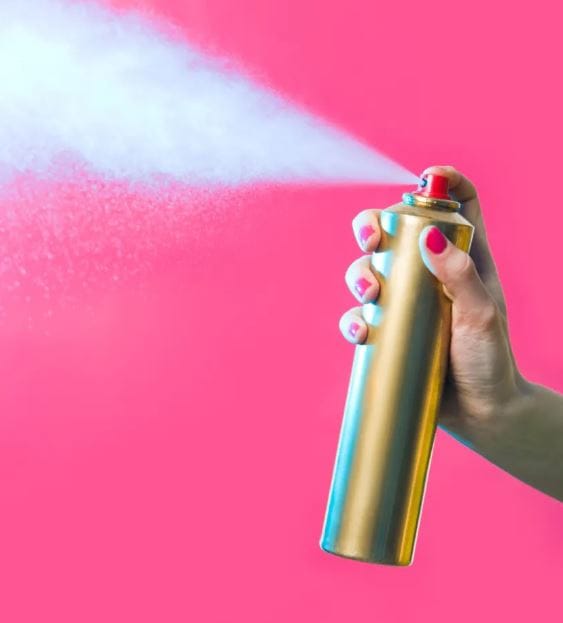
Hairspray is a bathroom and dressing room essential, but its adhesive, resin-heavy formula creates a stubborn, sticky residue on painted and wallpapered surfaces. Over time, this buildup attracts dust and yellowing, turning pristine walls into a dull, tacky mess.
Removing hairspray without damaging the underlying paint or finish requires the correct solvent strategy. Below is a professional, comparative guide to effective, safe removal.
Why Hairspray Residue Is Unique
Unlike grease or soap scum, hairspray contains plasticizers (PVP/VA copolymers) and tackifying resins. These polymers are designed to form a flexible film on hair. On walls, that film hardens, resists simple detergents, and can dissolve paint if you use the wrong chemical.
Pre-Cleaning Assessment (Do Not Skip)
Before applying any cleaner, perform two tests:
- Paint durability test: Rub a small, hidden area (behind a mirror) with a damp white cloth. If color transfers, the paint is water-soluble (flat latex). Avoid water-heavy methods.
- Solvent spot test: Apply your chosen cleaner to a 1-inch area. Wait 5 minutes. If the paint softens or bubbles, switch to a milder option.
Top 5 Methods Compared
| Method | Best For | Effectiveness | Risk to Paint | Dry Time After |
|---|---|---|---|---|
| Warm water + microfiber | Fresh spray (< 1 hour) | Low | None | 10 min |
| Dish soap (Dawn) solution | Light buildup (1-3 days) | Medium | Low (if rinsed) | 15 min |
| Isopropyl alcohol (70%) | Heavy, sticky residue | Very High | High (on flat paint) | 5 min |
| White vinegar + water | Multi-layer buildup | Medium | Low | 20 min |
| Magic eraser (melamine) | Stubborn spots | High | Medium (can dull gloss) | Immediate |
Professional Note: Avoid acetone, nail polish remover, and citrus-based degreasers. These dissolve latex and oil-based paints instantly.
Step-by-Step Cleaning Protocol
Phase 1: Dry Removal
- Use a dry vacuum brush attachment or a static duster to remove loose dust and hairspray flakes. Do not rub — this embeds residue.
Phase 2: Choose Your Solvent Based on Buildup Level
For Light Residue (invisible but tacky)
- Mix 1 tsp mild dish soap (degreasing type) with 2 cups warm water.
- Dip a soft sponge in the solution, wring until barely damp.
- Wipe in circular motions over 2×2 ft sections.
- Immediately dry with a clean microfiber cloth.
For Moderate to Heavy Buildup (visible yellow film)
- Use 70% isopropyl alcohol (rubbing alcohol).
- Apply to a white terry cloth — never pour directly on wall.
- Dab the residue (do not scrub aggressively). The alcohol breaks polymer bonds within 30 seconds.
- Wipe away dissolved residue with a damp cloth, then dry.
For Textured or Flat Paint (high risk of damage)
- Use white vinegar solution: 1 part vinegar, 3 parts water.
- Spray lightly onto a microfiber cloth, not the wall.
- Press and hold against residue for 10 seconds, then lift. Repeat. This softens without abrasion.
Phase 3: Rinse and Neutralize
- After any chemical cleaner, wipe the area with a cloth dipped in plain water (wrung out).
- Dry thoroughly. Residual moisture accelerates mold in bathrooms.
Common Mistakes That Ruin Walls
| Mistake | Consequence | Prevention |
|---|---|---|
| Scrubbing with a dry paper towel | Abrasion scratches + static spread of residue | Use wet, soft cloths only |
| Using Goo Gone or WD-40 | Oil stains that penetrate paint | Stick to alcohol or soap |
| Soaking the wall | Paint blistering, drywall swelling | Keep cloth damp, not wet |
| Cleaning in direct sunlight | Premature drying = streaking | Clean in ambient light |
How to Prevent Future Buildup
- Apply a clear acrylic sealer to walls behind your hairspray station. Semi-gloss or satin paint resists adhesion better than flat.
- Install a temporary vinyl splash guard (sold as “wall protectors” for renters) — wipeable and replaceable.
- Change your hairspray type: Pump sprays leave less resin than aerosols. Look for “water-soluble” or “non-film-forming” polymers on the label.
- Wipe walls monthly with a dry microfiber cloth before residue cures (curing takes 7–10 days at room temperature).
Final Professional Verdict
For speed and safety on most painted walls: 70% isopropyl alcohol with immediate drying.
For flat or older paint: White vinegar method with zero rubbing.
For rental properties: Dish soap + water followed by a magic eraser only if residue remains.
Always work in a well-ventilated area. If cleaning a large wall (> 10 sq ft), wear a vapor mask when using alcohol.