How to Clean Floor Vents: A Professional Step-by-Step Guide
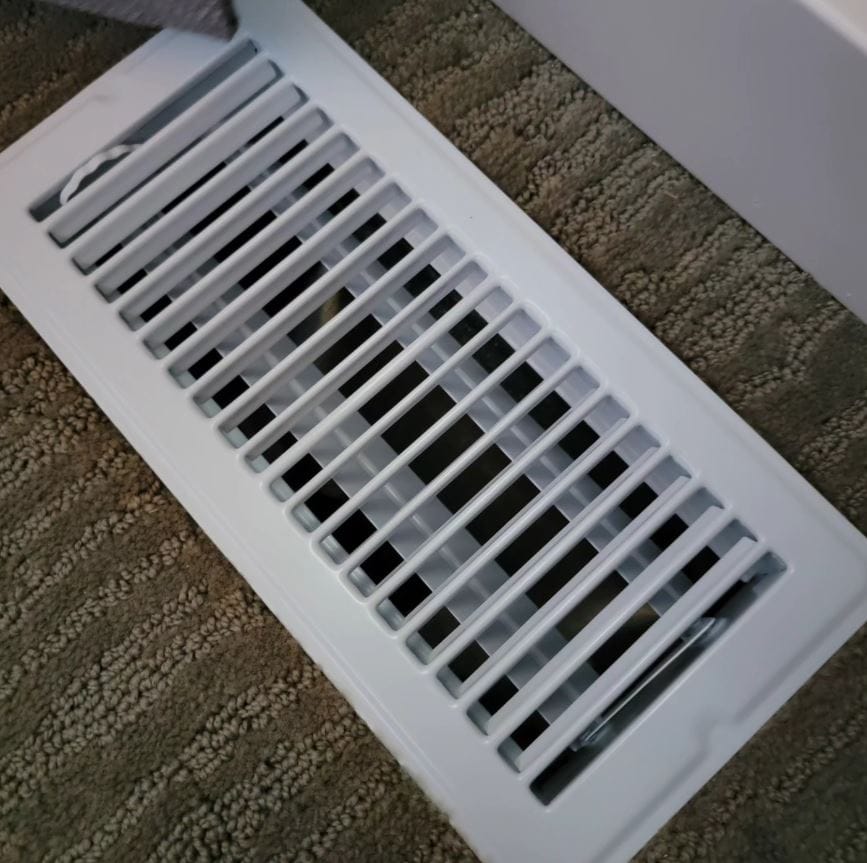
Floor vents (registers and diffusers) are critical components of your HVAC system. Over time, they accumulate dust, pet dander, mold spores, and even debris like food crumbs or toy parts. Neglecting these vents not only degrades indoor air quality but also forces your heating and cooling system to work harder, increasing energy bills.
This guide provides a systematic, professional approach to cleaning floor vents, ensuring optimal airflow and hygienic air distribution.
Why Regular Floor Vent Cleaning Matters
| Aspect | Impact of Dirty Vents | Benefit of Cleaning |
|---|---|---|
| Air Quality | Recirculates allergens, mold, and dust mites | Reduces asthma and allergy triggers |
| Energy Efficiency | Obstructed airflow increases HVAC runtime by 15–20% | Lowers monthly utility costs |
| System Lifespan | Excess debris strains blower motors and heat exchangers | Prevents premature HVAC failure |
| Pest Prevention | Debris attracts insects and rodents | Eliminates nesting habitats |
Pro Tip: Clean floor vents every 6 months (spring and autumn) or quarterly if you have shedding pets.
Tools & Materials Comparison
Select the right tools based on vent type and debris level.
| Tool | Best For | Cost | Effectiveness |
|---|---|---|---|
| Microfiber cloth & screwdriver | Basic dust removal (non-sticky) | $ | Medium |
| Vacuum with crevice tool | Loose dust and pet hair | $$ | High |
| Compressed air canister | Tight spaces, narrow floor registers | $$ | Medium |
| Flexible vent brush (18–24 inches) | Deep cleaning inside duct boot | $$ | Very High |
| Steam cleaner (low pressure) | Grease, mold, or sticky residues | $$$ | High (use sparingly) |
| Professional rotary brush system | Severe buildup or long duct runs | $$$$ | Maximum |
Step-by-Step Cleaning Protocol
Phase 1: Preparation & Safety
- Turn off the HVAC system at the thermostat or circuit breaker. Running the fan during cleaning will redistribute dislodged dust.
- Lay down a drop cloth to catch falling debris.
- Wear PPE – N95 mask and safety glasses (mold or rodent droppings are common).
Phase 2: Remove & Clean the Register (Grille)
- Unscrew the floor register using a flathead screwdriver. Most have 1–4 screws.
- Take it outside – never shake dust indoors.
- Wash method:
- Soak in warm water with dish soap for 15 minutes.
- Scrub with a soft brush; avoid wire brushes (damage paint).
- Rinse and dry completely (moisture causes rust).
- Alternative: Vacuum both sides with a brush attachment.
Phase 3: Clean the Duct Boot (The metal box below the floor)
- Vacuum first using a crevice tool. Reach as far as the nozzle allows.
- Use a flexible vent brush – insert into the duct, rotate clockwise, and pull out slowly. Repeat 3–4 times.
- For mold or odors: Lightly mist with a 1:10 bleach-water solution or an EPA-registered HVAC sanitizer. Do not soak – excess liquid can damage subflooring.
Phase 4: Deep Clean (Optional but Recommended)
If you notice visible debris beyond 12 inches:
- Tape a microfiber cloth over a shop-vac hose with rubber bands.
- Insert the hose, then use compressed air to blow debris toward the vacuum.
- Never use standard household vacuums for deep duct cleaning – fine dust can damage their motors.
Phase 5: Reinstall & System Check
- Ensure the register is bone dry.
- Screw it back flush with the floor – gaps allow air leakage.
- Turn HVAC back on. Hold a tissue over the vent; it should gently stick (good suction) without flapping violently.
Common Mistakes to Avoid
| Mistake | Why It’s Harmful | Correct Action |
|---|---|---|
| Using water on unfinished duct boots | Promotes rust and mold growth inside subfloor | Use dry methods or minimal sanitizing spray |
| Pushing debris further into the duct | Clogs main trunk lines, requiring professional extraction | Always vacuum before brushing |
| Ignoring return air vents | Returns pull unfiltered air into the blower | Clean returns with same frequency as supply vents |
| Replacing vent covers while damp | Trapped moisture warps wood floors and breeds bacteria | Air-dry in sunlight for 2+ hours |
When to Call a Professional
While surface cleaning is DIY-friendly, certain conditions warrant a licensed HVAC technician or duct cleaner:
- Visible mold growth on the duct interior (black, green, or white fuzzy patches)
- Rodent droppings or nesting materials inside the floor cavity
- Persistent musty odors after cleaning
- Restricted airflow in multiple vents (suggests main trunk line blockage)
- Home renovation dust (drywall or sawdust clogs coils and blowers)
Expect to pay $300–$700 for professional whole-home duct cleaning, typically including all floor vents, returns, and main supply plenums.
Maintenance Schedule Summary
| Frequency | Task |
|---|---|
| Monthly | Quick vacuum of visible register surface |
| Every 3 months | Remove and wash registers; vacuum boot opening |
| Every 6 months | Flexible brush deep clean of accessible ducts |
| Annually | Professional inspection if high dust or allergy concerns |
Final Verdict
Cleaning floor vents is a low-cost, high-ROI maintenance task. By following this structured approach, you will:
- Reduce airborne particulate matter by up to 85%
- Lower HVAC energy consumption
- Extend the life of your heating and cooling system
Start with the register removal and visual inspection – most homeowners find dramatic improvement with just a wash and vacuum.