How to Clean Epoxy Resin Tools: A Professional Guide for Pristine Results
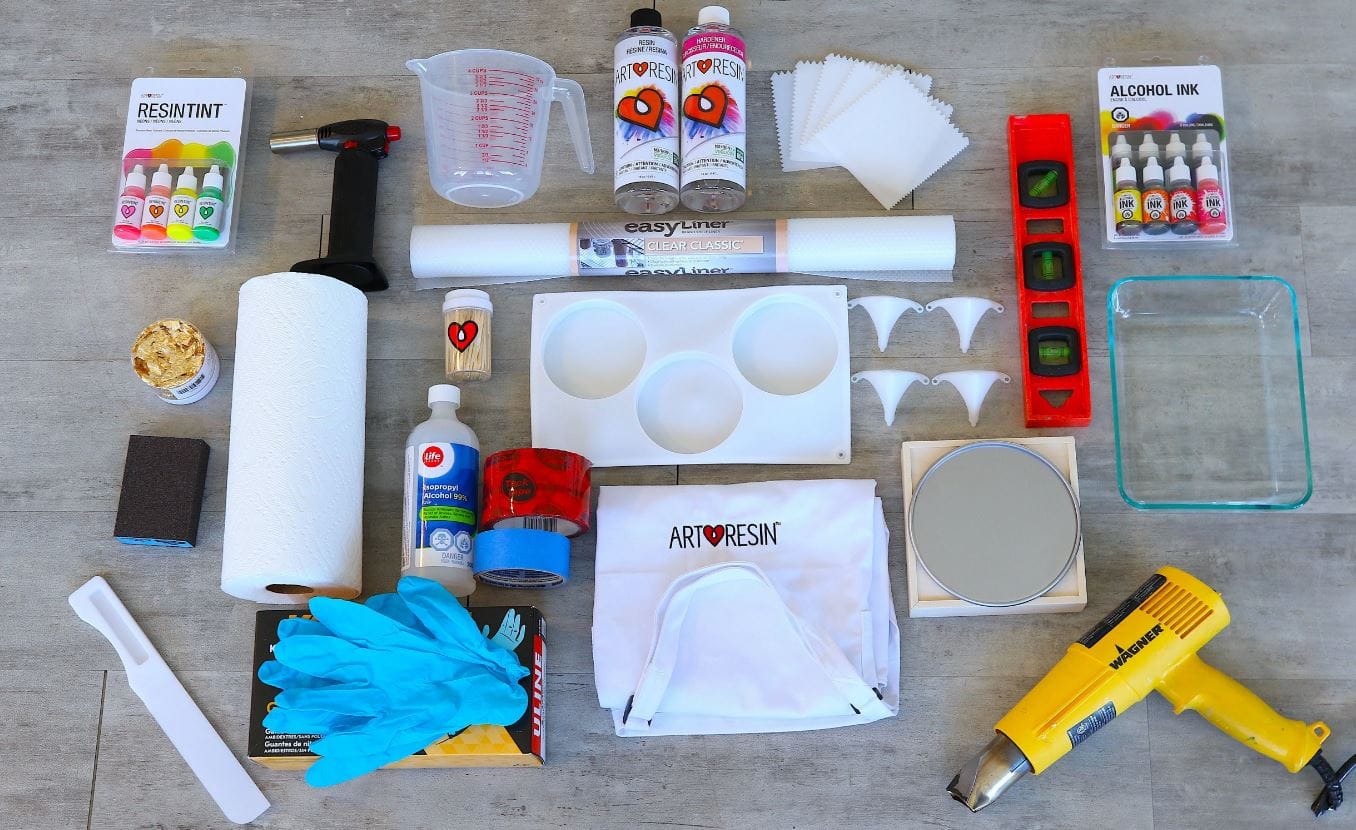
Epoxy resin is a powerful adhesive and coating agent, but its durability becomes a liability when it cures on your expensive tools. Unlike water-based paints, hardened epoxy cannot be dissolved with standard solvents. To maintain tool longevity and project precision, you must understand the critical window of opportunity—cleaning before the resin cures.
This guide provides a tiered, professional approach to cleaning epoxy resin tools, from immediate post-pour cleanup to salvaging cured equipment.
The Golden Rule: Time Is Your Enemy
Epoxy resin transitions through three stages. Your cleaning method depends entirely on when you intervene.
| Stage | Time After Mixing | Physical State | Recommended Cleaner |
|---|---|---|---|
| Liquid | 0–20 minutes | Runny, unreacted | Soap & warm water (water-based epoxies) or solvent (solvent-based) |
| Gel Phase | 20–90 minutes | Thick, honey-like | Isopropyl alcohol (91% or higher), acetone, or vinegar |
| Cured Solid | 4–24+ hours | Hard, plastic-like | Mechanical removal (scraping, sanding, heat) |
Professional Warning: Never pour liquid epoxy or solvent residues down a household drain unless the product SDS (Safety Data Sheet) explicitly states it is safe. Dispose of waste as hazardous material where required.
Method 1: Cleaning Uncured (Liquid) Epoxy Resin
This is the easiest and most effective stage. Act immediately after use.
Tools You Can Clean This Way:
- Silicone mixing sticks, cups, spatulas, and brushes.
Procedure:
- Wipe excess resin with a disposable paper towel or shop rag.
- For water-based epoxy: Wash with warm water and dish soap. Rinse thoroughly.
- For solvent-based epoxy: Use undiluted white vinegar or isopropyl alcohol (IPA) on a rag. Wipe tools clean.
- Dry completely before reuse.
Best practice: Keep a spray bottle of IPA (91%+) at your workstation. A quick spray and wipe will clean most uncured resin from non-porous tools.
Method 2: Cleaning Epoxy in the Gel Phase
Once resin begins to thicken (exothermic reaction started), water and mild soap are ineffective.
Recommended Solvents for Gel-Phase Epoxy
| Solvent | Effectiveness | Safety Notes | Best For |
|---|---|---|---|
| Acetone | Excellent (fast) | Flammable, toxic fumes. Use in ventilated area. | Metal spatulas, glass mixing containers |
| 91% Isopropyl Alcohol | Good (slower) | Less toxic, still flammable | Silicone mats, plastic spreaders |
| Denatured Alcohol | Very good | Moderate toxicity | Brushes (before curing fully) |
| White Vinegar | Poor (slow, weak) | Non-toxic, safe | Light cleanup on skin or soft tools |
Procedure:
- Soak a clean cloth in your chosen solvent.
- Rub the tool vigorously until the gel-like residue lifts.
- For brushes, swish in a small container of acetone, then wipe on cardboard.
- Wash with soap and water afterward to remove solvent residue.
Critical Safety: Acetone and IPA are highly flammable. No open flames, sparks, or smoking. Use only in well-ventilated spaces with nitrile gloves (latex gloves degrade rapidly in acetone).
Method 3: Removing Cured Epoxy (Hardened Resin)
Once epoxy is fully cured, no solvent will dissolve it. You must remove it mechanically or with heat.
Comparison of Mechanical Removal Methods
| Method | Tool Example | Surface Suitability | Risk Level |
|---|---|---|---|
| Heat + Scrape | Heat gun (250–350°F) + putty knife | Metal, glass | Medium (can burn resin or warp plastic) |
| Sandpaper | 80–120 grit | Metal, hard plastic | Low (scratching) |
| Rotary Wire Brush | Dremel or bench grinder | Steel tools only | High (surface damage) |
| Chemical Paint Stripper | Methylene chloride-based (rare) | Metal | High (toxic, banned in many regions) |
Step-by-Step for Cured Epoxy on Metal Tools:
- Apply heat with a heat gun set to 300°F (150°C) for 30–60 seconds.
- The epoxy will soften and turn rubbery.
- Scrape immediately with a stiff putty knife or razor blade.
- Repeat as needed. Final residue can be sanded off with 120-grit sandpaper.
For silicone tools: Cured epoxy peels off easily. Flex the silicone mold or mat; the rigid epoxy will pop free without solvents.
Disposal and Environmental Compliance
Professional epoxy users must follow local hazardous waste guidelines.
| Waste Type | Do NOT | Recommended Action |
|---|---|---|
| Liquid uncured epoxy | Pour down sink or toilet | Allow to cure fully in a disposable container, then discard as solid waste |
| Acetone/IPA rags | Leave bunched up (spontaneous combustion risk) | Lay flat to dry in a well-ventilated area, then dispose in sealed metal container |
| Cured epoxy flakes | — | Dispose with general construction debris (non-hazardous once cured) |
Summary: Professional Cleaning Workflow
- Immediate (liquid): Wipe + soap/water or IPA.
- Gel phase (20–90 min): Acetone or IPA + vigorous wiping.
- Cured (4+ hours): Heat gun + scrape, then sand.
- Never mix solvents with uncured epoxy in a closed container—exothermic heat can cause a fire.
Final Pro Tip: Invest in Barrier Tools
The most efficient cleaning is the one you avoid. Use these disposable or semi-disposable tools for epoxy work:
- Silicone cups and mats (resin peels off after curing)
- Polypropylene spreaders (cheap and solvent-resistant)
- Plastic drop cloths over workbenches
For brushes, accept that epoxy will ruin natural bristles. Use inexpensive chip brushes and discard them after the resin gels.