How Do You Safely Deep Clean Major Household Appliances?
Appliances are the heavy lifters of a home. We expect them to run daily without a hitch, yet we rarely give them the maintenance they need to survive. A deep clean is not just an aesthetic exercise. It is preventative maintenance. When grease coats a heating element or dust suffocates a compressor, the machine works harder, draws more power, and eventually fails.
Replacing a burned-out fridge or a seized washing machine costs thousands. Taking a couple of hours every few months to strip away the grime costs almost nothing. The trick is knowing how to clean these units safely without damaging sensitive components or putting yourself at risk.
Tackling ovens and cooktops
Ovens take the most abuse and are often the hardest to clean. Baked-on carbon acts as an insulator. It throws off the thermostat, meaning your oven works harder to maintain temperature and cooks your food unevenly.
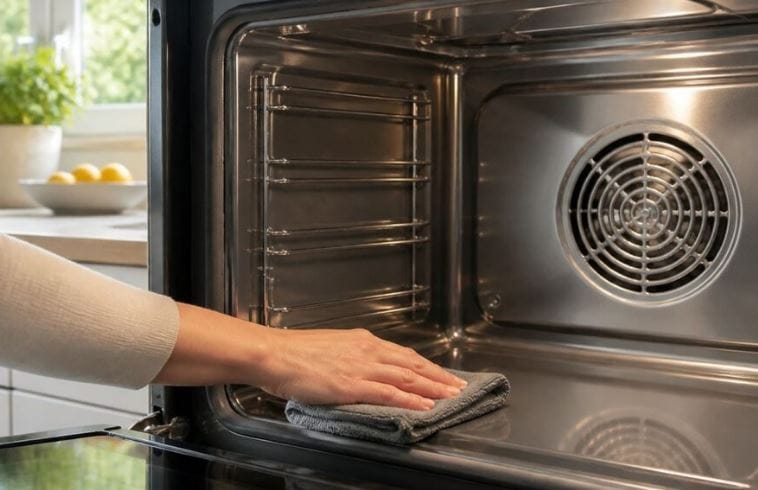
Start by taking out the racks. Soak them in a laundry tub with hot water and half a cup of washing soda. This softens the baked grease so you can wipe it off rather than scrubbing for hours. For the oven interior, avoid caustic sprays if you can help it. They leave toxic residues and can damage the enamel if left sitting too long. A paste of bicarbonate of soda and water left overnight does the heavy lifting safely. Spray the dried paste with white vinegar the next morning, let it foam, and wipe it out with a damp microfibre cloth.
Cooktops require a different approach. Induction and ceramic glass scratch easily. Use a dedicated glass scraper held at a shallow angle to remove burnt spills, followed by a non-abrasive cream cleanser. Gas cooktops need careful handling. You can remove the trivets and burner caps to soak them in warm soapy water. Use a soft brush to clear the burner ports. Never poke metal wire into the gas jets. If your burners are still burning yellow or sputtering after a basic surface clean, you might have a deeper blockage or a pressure issue. That is not a DIY fix. You need a licensed Gas Fitter in Melbourne or your local suburb to inspect the lines and regulators safely.
Maintaining fridges and freezers
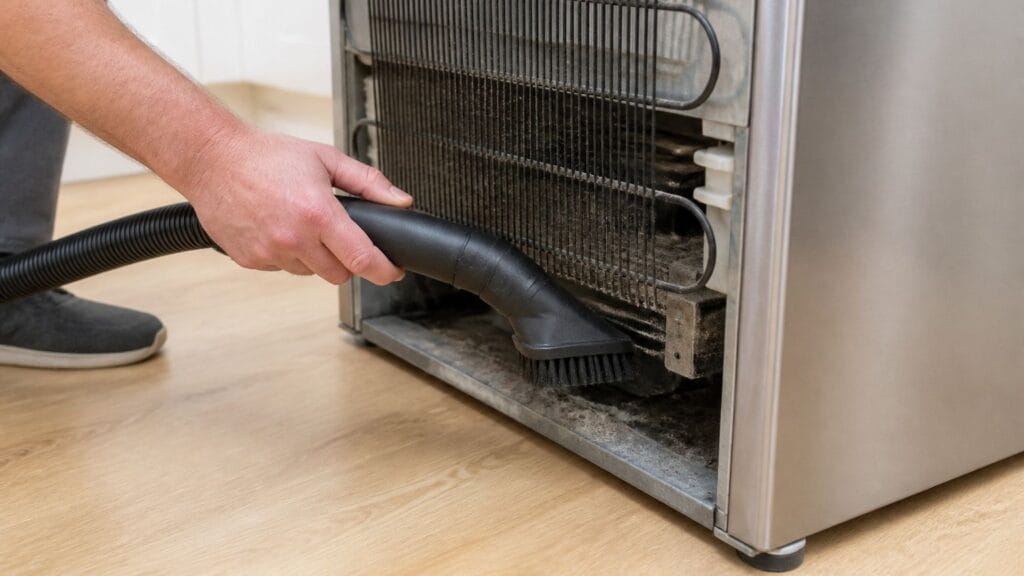
If your refrigerator isn’t cooling, the most likely issue is that it’s “suffocating.” Dust and pet hair build up on the condenser coils, which are usually located at the back or underneath the unit. This buildup stops the refrigerator from releasing heat, forcing the compressor to run nonstop, and eventually causing it to fail.
Pull the fridge away from the wall and turn it off at the wall socket first. Use a vacuum with a brush attachment to gently clear the coils. Be careful not to bend the soft metal fins. Inside the fridge, pull out all the drawers and shelves. Wash them in the sink with warm soapy water. Do not use hot water on cold glass shelves because the thermal shock will shatter them.
Pay close attention to the rubber door seals. Crumbs and sticky spills gather in the folds, causing the rubber to perish and break the airtight seal. Wipe them down gently with a soft damp cloth. This type of heavy usage wear is particularly common in high-density housing. If you manage co living properties, you see exactly how fast a shared fridge degrades when multiple people are slamming the door and spilling liquids daily. A strict quarterly cleaning schedule is the only way to keep those shared appliances alive and running efficiently.
Reviving washing machines
Washing machines smell like a swamp when they are neglected. Front loaders are notorious for this issue. The rubber bellows around the door trap moisture, hair, and detergent residue, creating a perfect breeding ground for black mould.
After every wash, leave the door ajar to let the drum dry out. For a deep clean, pull back the folds of the rubber seal and wipe it out with a damp cloth dipped in mild soapy water. Next, locate the drain filter. It is usually behind a small flap at the bottom front of the machine. Put a shallow towel down, open the filter housing, and let the residual water drain out. Pull the filter out completely and scrub it under the tap to remove accumulated lint, hair pins, and coins.
Clean the drum and the internal plumbing next. Put half a cup of bicarb soda directly into the drum and fill the detergent dispenser with white vinegar. Run the machine empty on its hottest and longest cycle. This strips out the soap scum that builds up on the outside of the stainless steel drum where you cannot see it.
Clearing out dishwashers
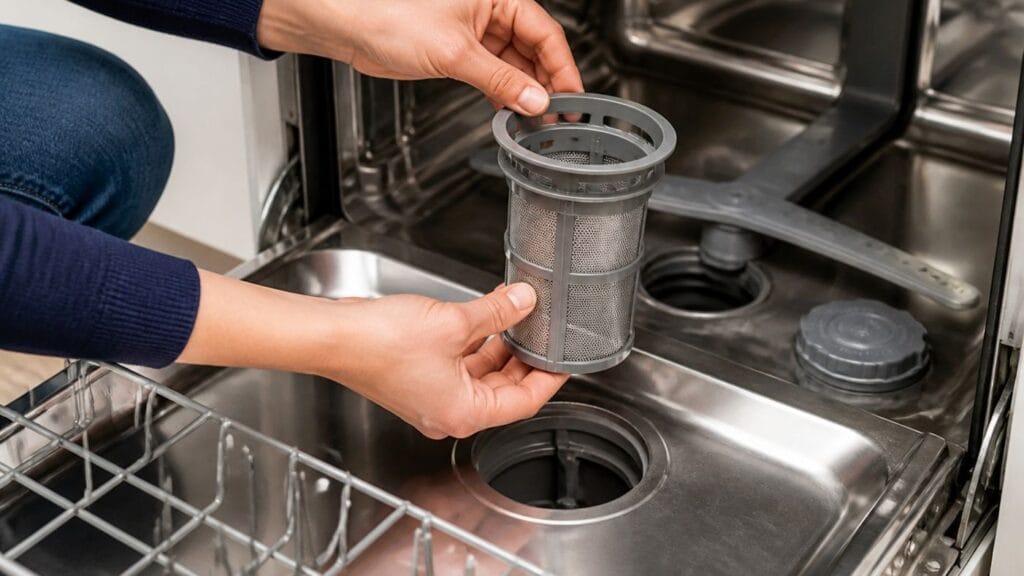
Dishwashers wash your plates, but they do not wash themselves. Grease and food particles end up in the sump filter at the bottom of the tub. When that filter blocks, the wash pump starves for water, and your dishes come out gritty.
Pull the bottom rack out completely. Twist the central cylindrical filter and lift it out along with the flat mesh plate surrounding it. Scrub both pieces in the sink with a stiff brush and standard dish soap.
Check the spray arms next. They usually unclip or unscrew quite easily. Look at the tiny water jets along the plastic or metal arms. Bits of hard food, fruit seeds, or broken glass often wedge themselves in these holes. To safely deep clean your dishwasher:
- Clean the Spray Arms: Use a toothpick to remove debris, rinse them under the tap, and snap them back into place.
- Descale and Deodorize: Place a bowl of white vinegar on the top rack and run an empty, hot cycle to descale the heating element and deodorize the tub.
Managing dryers and exhaust fans
Clothes dryers are a major fire hazard if you ignore the lint buildup. Emptying the door filter after every single load is mandatory, but lint also bypasses that filter and coats the internal ducting over time.
For vented dryers, disconnect the flexible exhaust pipe at the back and vacuum it out thoroughly. For condenser or heat pump dryers, pull out the heat exchanger unit at the bottom of the machine. Wash it in the shower or a large laundry tub to remove the wet lint paste that accumulates between the metal plates. A clean heat exchanger halves the time it takes to dry a load of clothes and dramatically reduces your power bill.
Rangehoods above your cooktop need the same level of attention. The metal mesh filters trap airborne grease from your cooking. When they clog, the exhaust fan motor strains and the risk of a flash fire increases significantly. Pop the metal filters out and run them through a hot cycle in your dishwasher. If they are completely saturated in old grease, soak them in a tub of boiling water and a heavy duty degreaser before rinsing them clean. Wipe down the exposed fan blades and the metal housing with a microfibre cloth before putting the dry filters back in.