The Hidden Reason Your Home Gets Dusty Again So Fast After Cleaning
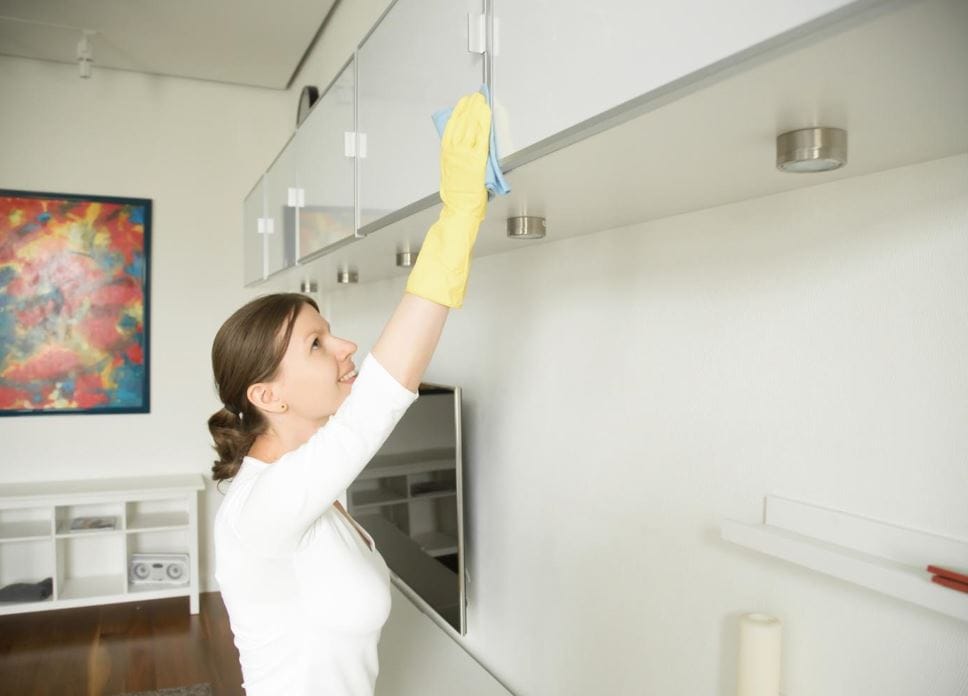
You pay for a professional cleaning. The counters gleam, the floors look new, and every surface smells like lemon and bleach. Three days later, there’s a faint layer of dust coating the coffee table again. Four days in, your allergies act up. By the end of the week, it feels like nothing happened.
If this cycle sounds familiar, your cleaning routine probably isn’t the problem. The culprit is often the one part of the house that pushes air around every single day and rarely gets cleaned itself. HVAC specialists like Handy Bros. handle the layer of home maintenance that professional cleaners can’t reach, and the difference shows up fast once both sides are handled in sync.
Why Does Dust Come Back So Quickly After You Clean?
Dust isn’t just dead skin cells and outside dirt. It’s a mix of allergens, pet dander, insulation particles, carpet fibres, pollen, and tiny bits of your HVAC system itself shedding over time.
Every time your furnace or air conditioner kicks on, it pulls air through your ductwork and pushes it back out through the vents in every room. If those ducts are lined with years of accumulated dust, or if the filter is saturated, the system becomes the dust dispenser rather than the dust remover.
That’s why a freshly cleaned home can feel gritty again within days. You cleaned the surfaces. The HVAC was still re-distributing everything that had already settled inside the system.
What Part Does Your HVAC Actually Play?
A home’s HVAC has a direct, measurable impact on how fast dust returns. Specifically:
- Filters trap particles, but only if they’re fresh. A clogged filter stops catching dust and starts letting it pass back into the air. Most filters need replacing every 60 to 90 days.
- Ducts collect dust over years. The National Air Duct Cleaners Association recommends inspection every 3 to 5 years, or sooner after renovations.
- Coil buildup reduces efficiency. Dirty evaporator coils run less efficiently and circulate dust more aggressively through the house.
- Vent covers collect hair and debris. Our guide to cleaning floor vents walks through the visible layer. The part hidden inside the ducts needs different equipment.
- Return air grilles often get skipped. Even when surface cleaning is thorough, the return grilles pulling air back into the furnace rarely see a cloth.
Tackle all five and the air in the house feels noticeably fresher between cleans.
Can Cleaning and HVAC Maintenance Work Better Together?
The honest answer is that neither fixes the whole problem alone. Professional cleaning handles what you see and touch. HVAC maintenance handles what you breathe. According to the EPA’s indoor air quality guidance, indoor air is often two to five times more polluted than outdoor air, and most of that comes from circulated particles.
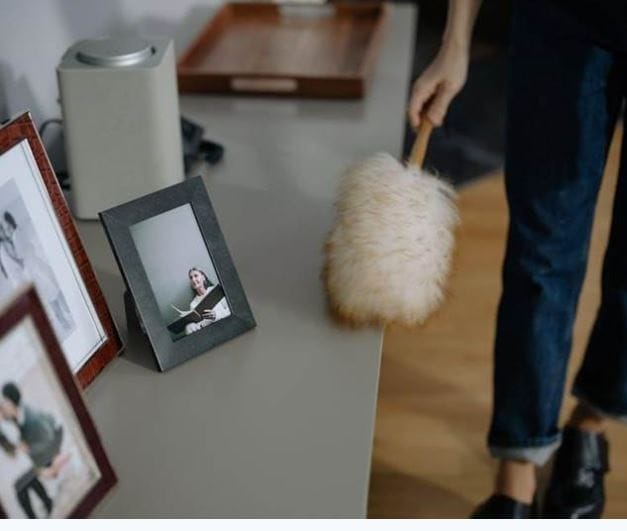
Alt text: Close-up of dust accumulating on a wooden side table at home
A good rhythm looks like this: four to six professional cleanings per year (biweekly or monthly, depending on the household), paired with one HVAC filter change every 60 to 90 days, and a duct inspection every 3 to 5 years.
When both cycles run on schedule, the “dust comes back fast” problem essentially disappears. You might still wipe the TV stand weekly out of habit, but the layer that used to reappear in 48 hours now takes two weeks or more to build.
What Signs Say Your HVAC Is Undoing Your Cleaning?
Watch for these red flags between professional cleanings:
- Dust returns visibly within 2 to 3 days, even after a deep clean
- Family allergies flare up indoors, especially right after the furnace or AC kicks on
- You can see dust puffing out of vents when the system cycles
- Your filter is dark grey or brown before the 60-day mark
- The air smells stale or musty, even with windows open recently
- Vents have black streaks around them from particles sliding out repeatedly
If you spot two or more of these, your HVAC is working against your cleaning schedule. A duct inspection or filter change is the fastest first step. Between professional visits, these small maintenance habits help, but none of them solve the air circulation issue on their own.
What to Remember
- Dust returning fast usually points to an HVAC issue, not a cleaning issue
- Replace your furnace filter every 60 to 90 days
- Get ducts professionally inspected every 3 to 5 years
- Clean vent covers often, but know they’re only the visible part
- Pair HVAC maintenance with regular professional cleaning for the best air quality
The Real Answer to a Dust-Free Home
A clean house and a clean HVAC system work together. Either on its own leaves gaps, and the gaps fill back up fast. Get both cycles running on the right cadence, and the constant battle against dust starts to feel winnable for the first time in years.
Frequently Asked Questions
How often should I have my air ducts professionally cleaned?
Every 3 to 5 years is the industry standard, or sooner after renovations, a pest issue, or when someone in the home develops new respiratory symptoms. If you’ve never had them cleaned and you’re in an older home, a one-time inspection is a smart starting point.
Can I clean air ducts myself?
The surface vents and registers, yes. The ductwork itself requires specialized equipment and negative-pressure vacuums the pros use. DIY duct cleaning can actually push more dust into the living space if done wrong.
Does better filtration help?
Yes, but only if your system can handle it. High-MERV filters trap more particles but also restrict airflow, which can strain older systems. Ask an HVAC tech what your furnace is rated for before upgrading.
Will duct cleaning really reduce how often I need to dust?
After a proper duct cleaning and a fresh filter, most homeowners report the return-to-dusty window extending from 2 to 3 days to more than a week. It’s the single biggest air-quality change you can make without replacing equipment.