Is Moroccan Black Soap Good? A Detailed Guide to Benefits, Uses, and Comparisons
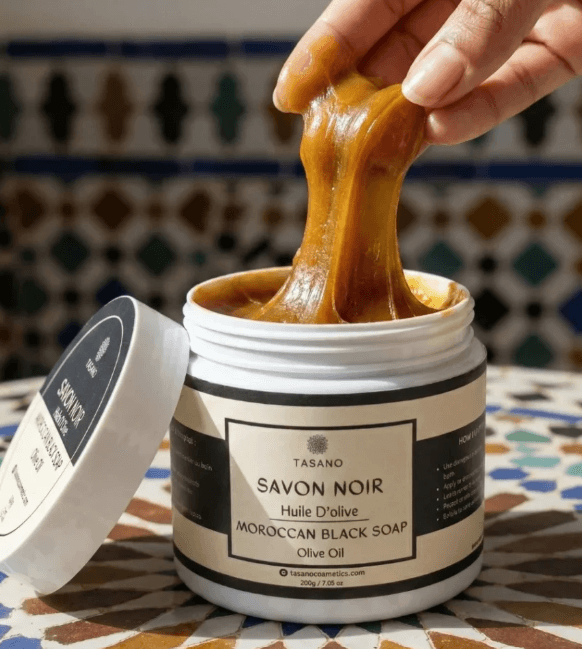
Moroccan black soap, known locally as savon noir or beldi soap, has gained significant popularity in Western skincare circles in recent years. The short answer is: yes, Moroccan black soap is good—but only if you understand what it is designed to do and use it correctly. This article examines its composition, benefits, proper usage, and how it compares to other traditional black soaps so you can decide whether it belongs in your routine.
What Is Moroccan Black Soap?
Moroccan black soap is a soft, paste-like cleansing product traditionally made from olive oil, crushed black olives, water, and an alkali (potassium hydroxide). Despite its name, it is not a hard bar soap—it has a texture closer to a thick, oily balm or gel, ranging in color from deep brown to nearly black depending on the olives used.
Its origins trace back roughly 3,000 years to Syria, eventually spreading across North Africa and becoming integral to the Moroccan hammam ritual—a traditional steam bath experience. In this context, black soap is not used as an everyday cleanser. Instead, it is applied to warm, damp skin and left on for several minutes to soften dead skin cells before a vigorous exfoliation with a kessa glove, a coarse exfoliating mitt.
Key Benefits of Moroccan Black Soap
Research and traditional use point to several evidence-informed benefits. The table below summarizes the primary advantages.
The soap also contains vitamin A, which supports skin tissue strength and texture improvement. Because it is non-comedogenic, it is unlikely to clog pores.
How to Use Moroccan Black Soap Correctly
Using Moroccan black soap the same way you would use a regular bar of soap will lead to disappointment. It barely lathers and is not designed for daily washing. The correct method is a weekly ritual lasting about 10–15 minutes.
Step-by-step at-home hammam:
- Warm the skin. Take a hot shower or bath for 3–5 minutes to open pores and soften the skin. Steam is essential to the process.
- Apply generously. Scoop a small amount of the paste and spread it over damp skin in long, even strokes. For the face, use only a pea-sized amount and avoid the eye area entirely.
- Let it sit. Leave the soap on for 3–5 minutes (some guides suggest up to 10) without rinsing. This allows the olive-based formula to soften dead skin.
- Exfoliate with a kessa glove. Using firm, circular motions, scrub the skin. You may see visible rolls of dead skin—this is normal and expected.
- Rinse and moisturize. Rinse thoroughly with warm water, then apply a body oil or moisturizer while skin is still damp.
Frequency: Once or twice per week is sufficient for most people. Overuse can lead to irritation or dryness.
Moroccan Black Soap vs. African Black Soap: Critical Differences
The most common source of confusion is the distinction between Moroccan black soap (beldi) and African black soap from West Africa. They share a name and a dark color but are fundamentally different products with different ingredients, textures, and intended uses. Using one in place of the other often leads to irritation or poor results.
| Feature | Moroccan Black Soap (Beldi) | African Black Soap |
|---|---|---|
| Origin | North Africa (Morocco) | West Africa (Ghana, Nigeria) |
| Key Ingredients | Olive oil, crushed olives, potash, water | Plant ashes (cocoa pods, plantain skins, palm leaves), shea butter, palm oil |
| Texture | Smooth, soft paste or balm | Rough, solid bar; becomes gelatinous with water |
| Primary Use | Hammam preparation—softens skin before exfoliation | Daily cleansing soap for face and body |
| Lather | Minimal to none | Soft lather |
| Frequency | 1–2 times per week | Daily |
| Skin Feel | Rich and oily going on; clean after scrubbing | Cleans as you wash; can feel stripping |
| Best For | Weekly deep-exfoliation ritual | Everyday cleansing, especially oily skin |
Bottom line: Moroccan black soap softens; African black soap cleanses. They are not interchangeable.
What Are the Risks and Precautions?
Moroccan black soap is generally well-tolerated, but several precautions apply.
Potential concerns:
- Allergies and immunotoxicity. EWG’s Skin Deep database flags some formulations for high allergy and immunotoxicity concerns, though this varies by product and added ingredients.
- Irritation risk. Individuals with very sensitive, dry, or irritated skin should patch test first.
- Not for broken skin. Avoid use on sunburned, wounded, or broken skin.
- Eye irritation. Eucalyptus oil, a common additive, can irritate eyes. Avoid the eye contour area.
- Over-exfoliation. Using the soap too frequently or scrubbing too aggressively can compromise the skin barrier.
Safety guidelines:
- External use only; do not ingest.
- Keep out of reach of children.
- Store in a dry place away from heat and direct light.
- Discontinue use if irritation occurs.
Who Should Use Moroccan Black Soap?
Moroccan black soap is a good choice for:
- Individuals seeking a natural, traditional exfoliation ritual at home.
- Those with rough, dry, or dull body skin who want smoother texture.
- People who enjoy spa-like self-care practices and are willing to follow the multi-step hammam method.
- Most skin types, including sensitive skin, provided a patch test is done first.
It may not be ideal for:
- Those wanting a daily cleanser—this is not its purpose.
- Individuals with very dry or highly sensitive skin who react to eucalyptus or potassium-based soaps.
- Anyone unwilling to use it with a kessa glove; without mechanical exfoliation, much of the benefit is lost.
Conclusion
Moroccan black soap is a legitimate, beneficial skincare product—but its value depends entirely on using it as intended. It excels as a weekly hammam-style treatment that softens skin, prepares it for deep exfoliation, and leaves the body remarkably smooth. Its olive oil base provides vitamin E and gentle cleansing without stripping the skin barrier.
The key is not to mistake it for African black soap or a daily cleanser. Used correctly—on warm, damp skin, left on for several minutes, and scrubbed off with a kessa glove—Moroccan black soap delivers results that have sustained its popularity for centuries. For anyone seeking a natural, ritual-based approach to body exfoliation, it is well worth trying.