How to Use Castile Soap as Shampoo: A Complete Guide
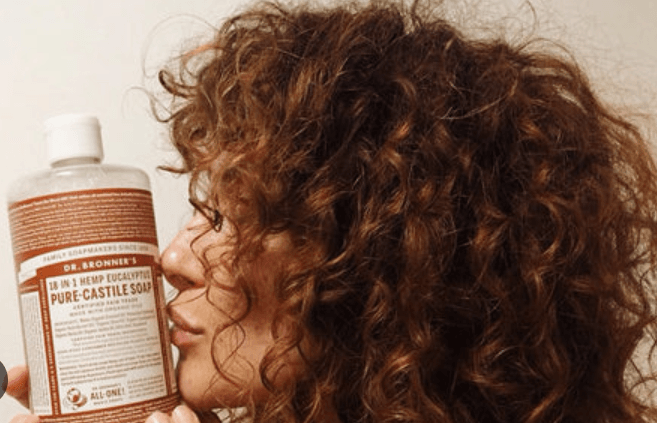
Castile soap has gained significant attention as a natural alternative to commercial shampoos. This vegetable-based soap, traditionally made from olive oil, offers a biodegradable and non-toxic option for those seeking to reduce exposure to synthetic ingredients in their hair care routine. However, using castile soap as shampoo requires understanding its unique properties and following specific protocols to achieve optimal results. This guide provides a comprehensive, evidence-based approach to using castile soap effectively for hair cleansing.
Understanding Castile Soap
Castile soap is a true soap made through saponification, a process where plant oils are combined with an alkali (typically lye) to create a cleansing agent. Unlike commercial shampoos that rely on synthetic detergents and surfactants like sodium lauryl sulfate, castile soap uses natural oils such as olive, coconut, hemp, and jojoba oils as its primary ingredients.
Key Characteristics
| Property | Castile Soap | Commercial Shampoo |
|---|---|---|
| pH Level | Alkaline (approximately 9-10) | Slightly acidic (4.5-5.5) |
| Primary Cleansing Agents | Saponified plant oils | Synthetic surfactants (SLS, SLES) |
| Additives | Minimal; may include essential oils | Silicones, parabens, synthetic fragrances |
| Biodegradability | High | Variable |
| Lather Quality | Creamy, dense, less foamy | Rich, airy foam |
| Cost Per Use | Low (concentrated formula) | Variable |
The alkaline nature of castile soap is the most critical factor to understand. Hair’s natural pH is acidic, ranging from 4.5 to 5.5. When castile soap raises the pH of the hair surface, it causes the hair cuticle—the overlapping outer layer of each strand—to lift. This lifted state can create a rough, tangled texture often described as “straw-like” or “waxy”. The solution to this issue is an acidic rinse following the soap wash, which restores the hair’s natural pH and smooths the cuticle back down.
The Two-Step Method: Shampoo and Acidic Rinse
The most critical principle for success with castile soap shampoo is understanding that the acidic rinse is not optional. Skipping this step is the primary reason most people abandon castile soap as a hair cleanser. The routine consists of two distinct phases that work together.
Step 1: Prepare and Apply the Shampoo
Dilution Ratios by Hair Type
| Hair Type | Castile Soap | Water | Notes |
|---|---|---|---|
| Fine/Oily Hair | 1 tablespoon | 1 cup | Weaker dilution prevents over-stripping |
| Normal Hair | 2 tablespoons | 1 cup | Standard starting point |
| Thick/Dry Hair | 2-3 tablespoons | 1 cup | May add jojoba or carrier oil |
| Curly Hair | 2 tablespoons | 1 cup | Add honey and aloe vera for moisture |
Application Instructions:
- Wet hair thoroughly with warm water. Complete saturation helps the soap distribute evenly.
- Shake the diluted mixture if stored in a bottle, as separation may occur.
- Apply directly to the scalp rather than piling hair on top of your head. Work the mixture through with your fingers using gentle circular motions.
- Lather and massage the scalp thoroughly. The lather will be creamier and less airy than commercial shampoo due to the absence of synthetic foam boosters.
- Rinse completely until water runs clear. Any soap residue left in the hair can contribute to buildup.
- Repeat if necessary for heavily soiled hair, though most users find one wash sufficient.
Step 2: The Essential Acidic Rinse
The acidic rinse is the crucial second step that makes castile soap shampoo viable for most hair types. It serves three primary functions: restoring the hair’s natural pH, sealing the cuticle, and removing any soap residue.
Acidic Rinse Options
| Rinse Type | Dilution Ratio | Benefits | Considerations |
|---|---|---|---|
| Apple Cider Vinegar | 1 part ACV : 8 parts water | Most accessible; clarifying; balances pH | Strong scent dissipates as hair dries |
| Lemon Juice | 1 part lemon : 8 parts water | Fresh scent; pH balancing | Can be drying; may lighten hair slightly |
| Commercial Conditioning Rinse | Follow product instructions | Formulated specifically for castile soap | Additional cost; may contain additives |
Application Instructions:
- Prepare the rinse in a separate container or spray bottle.
- Apply after rinsing out the soap thoroughly.
- Pour or spray through hair, ensuring coverage from scalp to ends.
- Leave on for 1-2 minutes to allow the acid to neutralize the soap residue.
- Rinse with cool water to further seal the cuticle and enhance shine.
Customizing Your Castile Soap Shampoo
One advantage of castile soap is its versatility for customization based on hair type and specific concerns. Below are formulations for common hair types and issues.
For Oily Hair and Scalp
Excess sebum production can be managed with a castile soap blend that includes astringent and antimicrobial ingredients.
Oily Hair Formula:
| Ingredient | Amount | Purpose |
|---|---|---|
| Liquid Castile Soap | ¼ cup | Gentle cleansing base |
| Distilled Water | ½ cup | Dilution medium |
| Tea Tree Essential Oil | 10-15 drops | Antimicrobial; controls sebum |
| Lemon Essential Oil | 5 drops | Astringent properties |
| Apple Cider Vinegar | 1 tablespoon | pH balancing |
This formula leverages tea tree oil’s documented antimicrobial properties to combat excess oil production, while lemon oil provides additional astringent benefits. The apple cider vinegar included in the shampoo itself provides initial pH support, though a separate acidic rinse is still recommended.
For Curly and Dry Hair
Curly hair requires additional moisture and gentle cleansing to maintain curl pattern and prevent brittleness.
Curly Hair Formula:
| Ingredient | Amount | Purpose |
|---|---|---|
| Liquid Castile Soap | ½ cup | Cleansing base |
| Raw Honey | ¼ cup | Humectant; adds moisture and shine |
| Aloe Vera Gel | ¼ cup | Hydrating; soothing |
| Green Tea (brewed, cooled) | ½ cup | Antioxidants; scalp health |
| Jojoba Oil | 2 tablespoons | Mimics natural sebum; moisturizing |
| Rosemary Essential Oil | 10 drops | Scalp health; promotes circulation |
| Tea Tree Essential Oil | 10 drops | Antimicrobial; dandruff control |
This formulation incorporates honey and aloe vera for their humectant properties, drawing moisture into the hair shaft. Jojoba oil closely resembles the scalp’s natural sebum, helping to balance oil production without weighing down curls.
Troubleshooting Common Issues
Waxy or Sticky Residue
This is the most common complaint and typically results from one of three causes: insufficient dilution, hard water, or skipping the acidic rinse.
Solutions:
- Increase dilution ratio (use less soap per cup of water)
- Use distilled or purified water for mixing
- Always follow with the acidic rinse
- Consider switching to bar castile soap, which some users find performs better in hard water conditions
Hard water contains minerals that react with soap to form insoluble compounds, creating residue that no amount of rinsing will remove. If you have hard water, using purified water for your shampoo mixture and ensuring thorough acidic rinsing becomes even more critical.
Dryness and Brittleness
Castile soap can be drying, particularly for those with already dry hair or those who use it at full strength.
Solutions:
- Dilute more aggressively
- Add a carrier oil (jojoba, avocado, or coconut) to the shampoo mixture
- Use a pre-wash oil treatment: apply a light oil to hair before washing, allowing the soap to cleanse while the oil protects the hair shaft
- Reduce washing frequency
Transition Period
Users switching from commercial shampoos to castile soap often experience a transition period lasting two to four weeks. During this time, hair may feel greasier initially as silicone and wax residues from previous products are stripped away, followed by a period of dryness as the scalp adjusts its oil production.
Managing the Transition:
- Give the method at least three to four washes before judging results
- Use dry shampoo or cornstarch between washes if needed
- Be patient—the adjustment period is temporary for most users
Who Should Avoid Castile Soap Shampoo
While castile soap offers many benefits, it is not suitable for everyone. The following individuals should consider alternative cleansing methods:
Color-Treated Hair: The alkaline pH of castile soap opens the hair cuticle, which can cause color molecules to escape, leading to faded or uneven color. Both Dr. Bronner’s and independent sources explicitly advise against using castile soap on color-treated hair.
Very Dry or Damaged Hair: Castile soap’s deep cleansing action may be too stripping for hair that is already compromised by chemical treatments, heat damage, or excessive dryness.
Hard Water Households: While not an absolute contraindication, hard water makes castile soap significantly more challenging to use successfully due to mineral residue.
Those Seeking Convenience: Castile soap requires more effort than commercial shampoo—dilution, the acidic rinse step, and potential experimentation to find the right ratios. Those unwilling to invest this time may find the process frustrating.
Castile Soap vs. Commercial Shampoo: A Practical Comparison
| Factor | Castile Soap | Commercial Shampoo |
|---|---|---|
| Cleansing Ability | Deep cleans; removes buildup effectively | Effective; may leave residue from conditioners |
| Effect on Hair Texture | Can be rough without acidic rinse; smooth after proper rinsing | Typically smooth due to silicone coatings |
| Color Safety | Not safe for color-treated hair | Many are color-safe |
| Environmental Impact | Biodegradable; minimal packaging | Variable; often plastic packaging |
| Cost | Very low per use (highly concentrated) | Moderate to high |
| Learning Curve | Significant; requires experimentation | Minimal |
| Time Investment | Higher (two-step process) | Lower (single step) |
Conclusion
Using castile soap as shampoo is a viable, natural alternative to commercial products for those willing to understand its unique requirements. The critical success factor is the two-step approach: proper dilution followed by an acidic rinse. Without the rinse, the alkaline soap leaves the hair cuticle lifted and rough; with it, the hair emerges clean, soft, and naturally conditioned.
The method works best for those with oily scalps, thick hair, and a willingness to experiment with formulations. It is contraindicated for color-treated hair and may prove challenging in hard water conditions. For those who persist through the transition period and master the technique, castile soap offers an economical, environmentally friendly, and customizable approach to hair cleansing that aligns with natural beauty principles.
Disclaimer: This article is for informational purposes only. Individual results may vary. If you experience scalp irritation, excessive dryness, or other adverse reactions, discontinue use and consult a dermatologist.