How to Store Handmade Soap: A Professional Guide to Maximizing Shelf Life
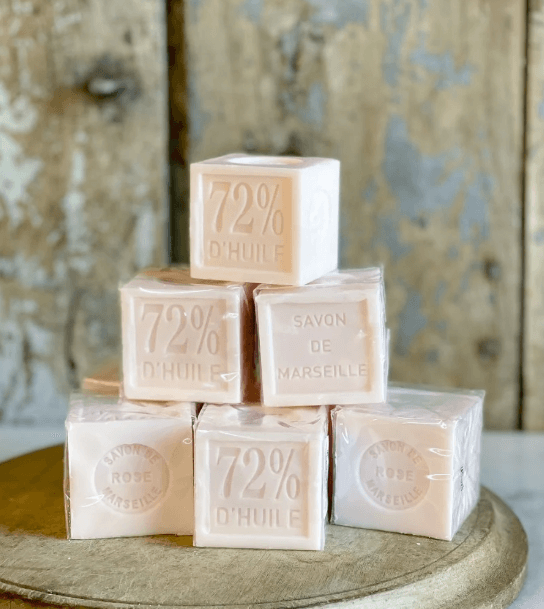
Proper storage is the single most critical factor determining whether your handmade soap remains a luxurious, fragrant bar or deteriorates into a rancid, discolored shadow of its former self. Unlike commercial soap, artisanal soap contains no synthetic preservatives or chemical stabilizers. Its longevity depends entirely on the conditions under which it is cured, stored, and used.
This guide provides evidence-based protocols for storing cold process, hot process, and melt-and-pour soaps, including comparative data on packaging materials and storage environments.
Understanding Why Handmade Soap Deteriorates
To store soap effectively, one must first understand the mechanisms of spoilage. Three primary forces work against your bars: oxidation, moisture, and light exposure.
Oxidation occurs when the unsaponified oils (the superfat) react with atmospheric oxygen. This chemical process, identical to cooking oils going rancid in a pantry, produces free fatty acids that manifest as off-odors and discoloration. The visible result is often Dreaded Orange Spots (DOS) —small orange or yellow specks that signal rancidity has begun.
Moisture is equally destructive. Handmade soap retains natural glycerin, a humectant that actively draws water molecules from the air. In humid environments, this causes “sweating”—beads of moisture on the soap’s surface—and softens the bar prematurely. Excess moisture also encourages mold growth in bars containing botanical additives.
Light exposure, particularly UV radiation, breaks down natural colorants and accelerates oil oxidation. Soap stored on a sunny windowsill will fade and spoil far faster than bars kept in darkness.
The Critical First Step: Proper Curing
Before any storage consideration, cold process (CP) and hot process (HP) soaps must complete their curing phase. This is not optional.
Curing serves two chemical purposes: allowing excess water to evaporate and permitting saponification to fully complete. During this 4–6 week period, bars harden, become milder, and develop the crystalline structure that resists moisture absorption. A properly cured bar feels firm, smooth, and noticeably lighter than when first cut.
Curing protocol requirements:
- Location: A cool, dry place away from direct sunlight—a garage, basement, or large cabinet works well
- Airflow: Bars must be spaced apart on racks or trays with air circulation around all sides
- Rotation: Turn bars every few days to ensure even drying
- Duration: Minimum 4 weeks; 6 weeks preferred for optimal hardness
Melt-and-pour (MP) soap is the exception. It requires no curing because saponification is complete before purchase. MP soap should be wrapped immediately after unmolding and cooling.
Storage Environment: The Non-Negotiable Conditions
Once cured, soap requires an environment that counteracts the three spoilage forces.
Locations to avoid absolutely: Bathrooms (humidity fluctuations), kitchens (heat and moisture), windowsills (UV exposure), refrigerators (condensation from temperature changes), and freezers (brittleness and condensation upon thawing).
Cold Process vs. Melt-and-Pour: Divergent Storage Protocols
The two primary soap-making methods require opposite storage approaches. Confusing these protocols is a common and costly mistake.
Why the difference? MP soap contains added glycerin that is intensely hygroscopic—it pulls moisture from the air. Without an airtight barrier, MP bars will develop glycerin dew within hours in humid conditions. CP soap, conversely, needs to “breathe” to continue releasing trace moisture and to prevent trapped humidity from causing rancidity.
Packaging Materials: A Comparative Analysis
Selecting the correct packaging material is a balance between protection and breathability. The wrong choice can actively accelerate spoilage.
Professional recommendation: For cold process soap, use kraft paper or cardboard boxes with ventilation in most environments. In extremely dry climates, airtight containers become viable for CP soap, but this is the exception rather than the rule. For melt-and-pour, tight plastic wrap or shrink film is mandatory.
Shelf Life Expectations by Recipe Type
Your soap’s shelf life is predetermined by its formulation long before storage conditions come into play. The fatty acid profile of your base oils is the single largest determinant of longevity.
Superfat percentage also directly impacts shelf life. A 3–5% superfat represents the optimal balance between skin conditioning and longevity. Formulations above 8% superfat will have noticeably shorter storage life and should be reserved for personal use bars consumed within 6–12 months.
General shelf life expectations:
- Cold Process: 12–24 months at peak quality; well-formulated bars can remain usable for up to 3 years
- Melt-and-Pour: 1–2 years
- Liquid Soap: Store in original sealed containers; never dilute in the bottle or mix old and new batches
Recognizing Spoilage: When to Discard
Not all changes indicate spoilage. Understanding the distinction prevents unnecessary waste.
Normal aging changes (safe to use):
- Scent fading over time (essential oils dissipate)
- Slight color deepening or fading
- Surface shrinkage as bars continue to dry
Signs of spoilage (discard or rebatch):
- Dreaded Orange Spots (DOS): Small orange, yellow, or brown specks on the surface or edges
- Rancid odor: Stale, musty, or “old frying oil” smell
- Sticky or oily film: Surface texture changes indicating oil separation
- Mold growth: Visible fungal growth, most common in humid conditions with botanical additives
DOS does not make soap dangerous to use, but it affects scent, appearance, and lather quality. For sellers, affected bars cannot be sold. If spoilage is caught early and limited to surface spots, the soap can be grated and rebatched (melted and reformed).
In-Use Storage: Extending Life After First Lather
Storage protocol changes once a bar enters active use. The goal shifts from long-term preservation to daily drying between uses.
Essential practices:
- Use a draining soap dish: The dish must have slits, holes, or a ladder design that allows water to escape completely. Standing water dissolves soap rapidly.
- Keep away from direct water spray: Position the dish outside the shower’s direct stream.
- Allow complete air drying: Between uses, the bar should dry fully. Do not store wet soap in a closed container.
- Rotate bars: Using multiple soaps in rotation gives each bar time to dry completely between uses.
- Avoid over-wetting: Running soap under water before lathering is unnecessary and accelerates dissolution.
Frequently Asked Questions
Can I store handmade soap in the refrigerator?
No. Temperature fluctuations cause condensation on the soap surface, leading to sweating, softening, and potential rancidity. The refrigerator also makes MP soap brittle.
How long does handmade soap last?
Cold process soap maintains peak quality for 12–24 months, with well-formulated recipes remaining usable for up to 3 years. Melt-and-pour lasts 1–2 years.
Why is my melt-and-pour soap sweating?
Glycerin dew occurs when the hygroscopic glycerin in MP soap attracts moisture from humid air. This is prevented by wrapping MP soap tightly in plastic wrap or shrink film immediately after unmolding.
Can I stack handmade soap bars during storage?
No. Stacking prevents airflow and can cause moisture entrapment between bars. Store bars in a single layer with space between each one.
Does handmade soap expire?
Handmade soap does not “expire” in the food-safety sense, but its quality degrades over time. After 1–2 years, the scent fades, the lather may become less creamy, and rancidity risk increases. Soap with DOS or a rancid odor should be discarded or rebatched.
How should I store soap I plan to gift or sell?
For gifting, wrap cured CP soap in kraft paper or place in a ventilated cardboard box. Avoid sealed plastic, which traps moisture. For retail, shrink wrap bands with perforations allow breathability while providing a professional appearance.
Summary: The Golden Rules of Handmade Soap Storage
- Cure first, always. No storage protocol can compensate for insufficient curing. 4–6 weeks minimum for cold process.
- Match packaging to soap type. CP soap needs breathable materials; MP soap needs airtight wrapping.
- Control the environment. Cool, dry, dark, and ventilated—no exceptions.
- Respect the timeline. Even perfectly stored soap has a finite shelf life determined by its oil profile. Use high-risk formulations first.
- Dry between every use. A draining dish and complete air drying extend a bar’s usable life by weeks.
Handmade soap is a perishable artisan product, not an indefinite commodity. With proper curing and disciplined storage, you can preserve the scent, texture, and skin-loving qualities of your bars for a year or more—a timeline that reflects the care invested in their creation.