What Is Carbolic Soap? History, Uses, and Modern Relevance
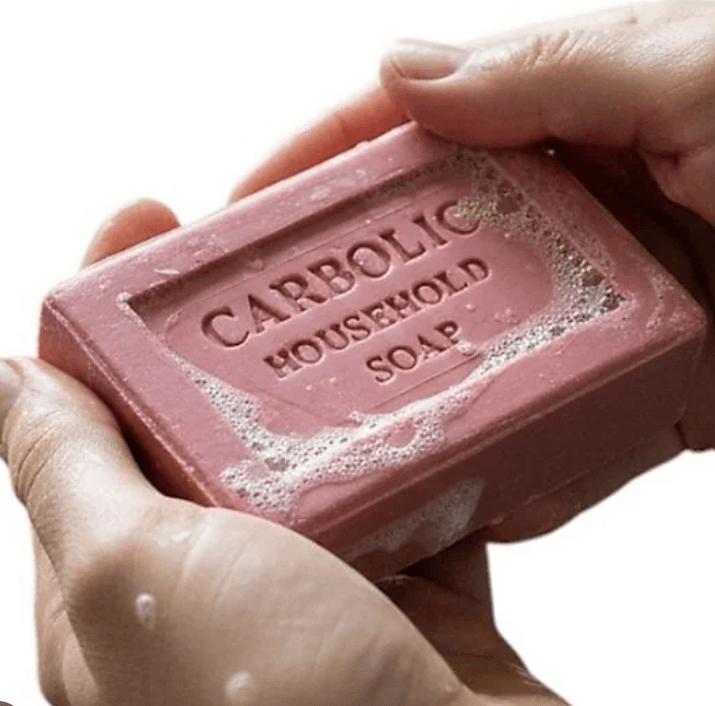
Carbolic soap is a type of antiseptic soap that contains carbolic acid (phenol) or cresylic acid (cresol) as its active ingredient . Known for its distinctive deep pink to red color and medicinal, coal-tar-like scent, this soap played a revolutionary role in public health and hygiene from the late 19th century through much of the 20th century . While its popularity has declined in modern consumer markets, carbolic soap remains recognized for its historical significance as one of the first widely available germicidal soaps.
The Origins and History of Carbolic Soap
The story of carbolic soap begins with the discovery of phenol. In 1834, German chemist Friedlieb Ferdinand Runge isolated an impure form of phenol—which he called carbolic acid—from coal tar . However, it was not until the 1860s that this substance gained widespread medical attention.
The pivotal moment came in August 1865, when Joseph Lister, a surgeon at Glasgow Royal Infirmary, applied a piece of lint dipped in carbolic acid solution to the wound of an eleven-year-old boy who had suffered a compound fracture . After four days, Lister found no infection had developed. Over six weeks, the boy’s bones fused back together without suppuration—a remarkable outcome at a time when infection was a leading cause of surgical death . This success helped establish antiseptic surgery and propelled carbolic acid into mainstream medical use.
One of the earliest manufacturers of carbolic soap was F. C. Calvert and Company of Manchester, England, established in 1859 . In the United States, the manufacturing license was held by James Buchan and Company . By 1894, William Lever introduced the Lifebuoy brand of carbolic soap, which became one of the most recognizable household names in hygiene .
Key Characteristics and Composition
Carbolic soap is distinguished by several defining features:
The red coloring was not merely aesthetic—it served a practical purpose. When carbolic soap was first introduced, it was the only germicidal soap available, and the distinctive color helped consumers identify it as a genuine disinfectant product .
Traditional Uses and Applications
In its heyday, carbolic soap was remarkably versatile. Historical records reveal a wide range of applications:
Household Cleaning
Carbolic laundry soap was marketed as a disinfecting detergent that could clean dishes, keep sinks free from grease, and disinfect bedding and clothing used by the sick—even in cases of infectious diseases like smallpox and virulent fevers . The soap was considered so effective that it was claimed to reduce the labor of household cleaning while providing disinfecting benefits .
Personal Hygiene
Carbolic toilet soaps were promoted as preventive agents against infectious diseases, particularly in nurseries. They were recommended for treating cutaneous affections, preventing chafing and sore heads in infants, and soothing chapped hands . For bathing, they were said to have “peculiarly refreshing qualities” .
Medical and Surgical Use
A special medicinal formulation containing 25% carbolic and cresylic acids was produced specifically for physicians and surgeons. It could be prescribed by weight or in solution, addressing a long-felt need in the medical world for an easily applicable form of carbolic acid .
Specialized Applications
Carbolic soap was adapted for numerous specific uses, including:
- Dental soap as a dentifrice to prevent tooth decay and sweeten breath
- Shaving soap to prevent skin irritation and heal cuts
- Marine soap for washing in salt water, used to prevent ship fever on vessels visiting infected ports
- Sand soap for scrubbing floors, benches, and woodwork
Carbolic Soap vs. Other Soap Types
To understand carbolic soap’s unique position, a comparison with other common soap types is instructive:
It is worth noting that some modern “carbolic soaps” are not genuine carbolic soaps at all—they are simply dyed red and scented with artificial coal tar fragrances, without containing actual carbolic acid . Consumers seeking the authentic product should check ingredient labels for phenol or cresol.
Modern Status and Continued Relevance
While carbolic soap is no longer a staple in most households, it has not completely disappeared. Several factors explain its decline:
- Safety Concerns: Carbolic acid is a skin irritant, and prolonged use can cause irritation . Modern consumers generally prefer milder alternatives.
- Competition: The development of safer, more aesthetically pleasing antiseptic products has reduced carbolic soap’s market share.
- Perception: The medicinal scent and red color, once markers of efficacy, are now considered old-fashioned by many consumers .
Nevertheless, carbolic soap retains a loyal following. It is still distributed by the Red Cross and other relief organizations for routine hygiene in disaster settings . Some users seek it out for its nostalgic scent or report benefits for acne-prone skin . In certain markets, particularly in parts of Africa and the Caribbean, carbolic soap brands like Blue Power remain widely used.
Safety Considerations and Limitations
It is important to understand the limitations of carbolic soap’s antimicrobial efficacy. Historical studies noted that while carbolic soaps did exhibit germicidal action, it was “feeble” compared to solutions of disinfectants without soap—particularly against cocci (spherical bacteria), though more pronounced against B. coli . This means that while carbolic soap offered some protection, it was not a panacea against all pathogens.
For individuals considering using carbolic soap today, dermatologists generally recommend caution. The soap can be irritating, especially for those with sensitive skin, and it is not recommended for facial use or for individuals with certain skin conditions without medical guidance.
Conclusion
Carbolic soap stands as a landmark product in the history of public health. From Joseph Lister’s pioneering antiseptic techniques to the ubiquitous Lifebuoy bars of the 20th century, it represented a major step forward in the fight against infectious disease . While modern hygiene products have largely surpassed it in convenience and gentleness, carbolic soap’s legacy endures—both in the historical record and in the memories of those who grew up with its distinctive red bars and medicinal scent.