What Does Sodium Lactate Do in Soap? A Complete Guide for Soap Makers
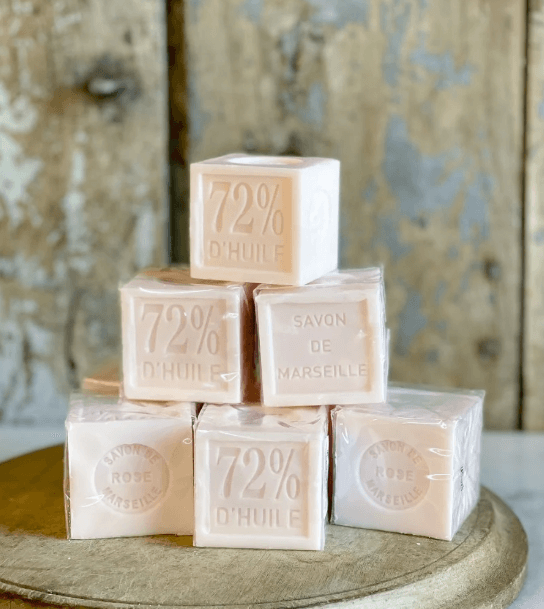
Sodium lactate has become a staple additive in the modern soap maker’s toolkit, praised for its ability to transform soft, slow-to-set batches into firm, professional-quality bars. But what exactly does this ingredient do, and why do so many soap makers consider it indispensable?
This article explains the science behind sodium lactate, its practical applications in cold process and hot process soap making, and how it compares to alternative hardening agents like table salt.
What Is Sodium Lactate?
Sodium lactate is the sodium salt of lactic acid, produced through the natural fermentation of sugars found in corn and beets. It is typically sold as a 60% aqueous solution—a clear, slightly viscous liquid that is water-soluble and easy to incorporate into soap formulations.
In commercial and handmade soap making, sodium lactate serves multiple functions:
- Hardening agent: Accelerates bar hardness for faster unmolding
- Humectant: Draws and retains moisture, contributing to a more conditioning bar
- Texture enhancer: Improves soap smoothness and workability, particularly in hot process methods
- Lather stabilizer: Unlike table salt, it does not diminish bubbles and may support a creamier lather
Primary Benefits of Sodium Lactate in Soap
Accelerated Hardness and Faster Unmolding
The most widely recognized benefit of sodium lactate is its ability to harden soap faster. In cold process soap making, this means you can unmold and cut your soap one to two days earlier than you would otherwise. This is particularly valuable for recipes high in soft oils—such as olive oil, sunflower oil, or other liquid oils at room temperature—which can take significantly longer to firm up.
The mechanism behind this effect is not fully understood in artisan circles, but commercial research suggests that sodium lactate interacts with the soap matrix differently than sodium chloride (table salt). One patent describes how, as a strong electrolyte, sodium lactate can disrupt liquid crystal phases in soap—but when combined with monoglycerides or free fatty acids (superfat), it actually stabilizes the matrix, allowing for a harder, more extrudable bar.
Extended Bar Longevity
Because sodium lactate produces a harder finished bar, the soap dissolves more slowly during use. This means each bar lasts longer in the shower, providing better value for both personal use and for customers purchasing handmade soap.
Improved Texture and Workability
In hot process soap making, sodium lactate is particularly prized for its ability to make the cooked soap batter more fluid and smooth. This improved flow makes it easier to get the soap into molds and creates a creamier, less “gluey” texture that is easier to work with for decorative techniques.
Humectant and Skin-Conditioning Properties
Sodium lactate is a natural humectant, meaning it attracts and retains moisture. As a component of the skin’s Natural Moisturizing Factor (NMF), it helps keep skin hydrated. When incorporated into soap, it contributes to a more conditioning feel, though the rinse-off nature of soap limits how much of this benefit transfers to the skin.
Commercial patents have demonstrated that soap bars containing sodium lactate show increased water-binding capacity in skin even after rinsing, confirming its moisturizing effect in rinse-off products.
How to Use Sodium Lactate in Soap Making
The usage rate and method of incorporation differ between cold process and hot process soap making. The table below summarizes the key parameters:
| Application | Usage Rate | When to Add | Key Benefits |
|---|---|---|---|
| Cold Process Soap | 1 teaspoon per pound of oils (approx. 1–3%) | To cooled lye water (130–150°F) | Faster unmolding, harder bars, longer-lasting soap |
| Hot Process Soap | 3–5% of oil weight | To lye water or after the cook | Improved fluidity, smoother texture, firmer final bar |
| Lotion & Cream | 0.5–4% of total weight | To water phase | Humectant, creamier texture, skin conditioning |
Cold Process Method: Add sodium lactate to your cooled lye water before combining with oils. The recommended rate is 1 teaspoon per pound of oils. Stir gently with a stainless steel spoon until fully incorporated. At this usage rate, sodium lactate does not significantly accelerate trace, so you retain full control over your design and swirling techniques.
Hot Process Method: Sodium lactate can be added to the lye water or stirred in after the cook is complete. At 3–5% of oil weight, it enhances the fluidity of the finished soap, making it easier to mold and resulting in a smoother final product.
Important Note: More is not better. Exceeding recommended usage rates can result in brittle, crumbly soap that is difficult to cut and may develop a chalky texture.
Sodium Lactate vs. Table Salt: Key Differences
Many soap makers wonder whether sodium lactate is simply a more expensive version of table salt (sodium chloride). While both can harden soap, their effects are quite different. The table below compares their performance across key criteria:
| Property | Sodium Lactate | Sodium Chloride (Table Salt) |
|---|---|---|
| Primary Hardening Mechanism | Stabilizes soap matrix; produces lasting hardness | Dries out soap initially; short-term hardness effect |
| Effect on Lather | Maintains or improves lather | Can significantly reduce bubbles at higher concentrations |
| Bar Longevity | Extends bar life by creating a harder, slower-dissolving bar | Limited long-term benefit; primarily aids unmolding |
| Skin Feel | Humectant; contributes conditioning properties | Can be drying; no moisturizing benefit |
| Typical Usage Rate | 1 tsp per pound of oils (CP); 3–5% (HP) | 1 tsp to 1 tbsp per pound of oils |
| Best For | Recipes with high soft oil content; HP soap; bars intended for long use | Quick unmolding when sodium lactate is unavailable |
As one soap making forum contributor summarized: “Table salt just kind of dries the soap out so it gets hard faster, which is nice for unmolding, but it can mess with bubbles and doesn’t really help the bar last longer. Sodium lactate actually changes how the soap sets up, making it harder, smoother, longer-lasting, and better for lather without killing suds”.
When Should You Use Sodium Lactate?
Sodium lactate is particularly beneficial in the following situations:
- Recipes high in soft oils: Castile soap (100% olive oil), palm-free recipes, or any formula with a high proportion of liquid oils at room temperature
- Hot process soap making: To improve fluidity and create a smoother, more moldable batter
- When you need to unmold quickly: If you are short on molds or have a tight production schedule
- For soaps intended to last: Bars for personal use or sale where longevity is valued
- Liquid soap (KOH): Some makers use sodium lactate in liquid soap formulations for its texture benefits
It is less critical for recipes that are already hard at room temperature—such as those high in palm oil, tallow, or cocoa butter—though many soap makers still use it routinely for its other benefits.
Potential Drawbacks and Considerations
While sodium lactate is generally considered a beneficial additive, there are a few points to keep in mind:
- Overuse causes brittleness: Exceeding 3% in cold process soap can make bars crumbly and difficult to cut
- Not a preservative: While sodium lactate has some antimicrobial properties in cosmetic formulations, it does not replace a proper preservative system in leave-on products
- Some makers report minimal difference: A minority of soap makers find that sodium lactate makes little noticeable difference in their recipes, particularly if they already use hard oil formulations. Results can vary based on recipe, climate, and curing conditions
- Cost: Sodium lactate is more expensive than table salt, though the usage rate is low enough that a bottle lasts a long time
Frequently Asked Questions
Can I use sodium lactate and table salt together?
Yes, some soap makers combine both for a synergistic effect—salt for rapid initial hardening and sodium lactate for long-term hardness and lather stability. However, this is not necessary for most recipes.
Does sodium lactate speed up trace in cold process soap?
At the recommended usage rate of 1 teaspoon per pound of oils, sodium lactate does not significantly accelerate trace, giving you ample working time for swirls and designs.
Is sodium lactate the same as lactic acid?
No. Sodium lactate is the sodium salt of lactic acid. Lactic acid is a stronger acid used in skincare peels, while sodium lactate is a milder, pH-neutral salt used for humectant and hardening purposes.
Can I use sodium lactate in melt-and-pour soap?
Sodium lactate is primarily recommended for cold process and hot process soap making. Melt-and-pour bases are already formulated for hardness and do not typically benefit from additional sodium lactate.
Conclusion
Sodium lactate is a versatile additive that addresses one of the most common challenges in soap making: creating a hard, long-lasting bar without compromising lather or skin feel. Its ability to accelerate unmolding, improve texture—especially in hot process soap—and contribute humectant properties makes it a valuable tool for both beginner and experienced soap makers.
For recipes high in soft oils or when production efficiency matters, sodium lactate offers clear advantages over traditional hardening methods like table salt. By understanding its proper usage rates and applications, you can incorporate sodium lactate effectively to produce firmer, smoother, and more professional-quality soap bars.