Does Vinegar Harm Concrete? A Detailed Guide to Safe Use and Risks
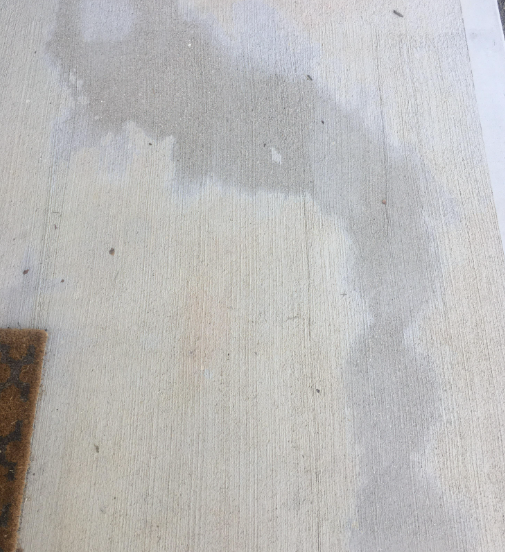
Vinegar is a popular household cleaner praised for its natural acidity and versatility. But when it comes to concrete, that same acidity can be a double-edged sword. The short answer is yes, vinegar can harm concrete, especially if used incorrectly. However, the severity of the damage depends entirely on the type of concrete, its sealant, and how you apply it.
This article breaks down the science behind vinegar and concrete, when it is safe to use, and when you should avoid it completely.
The Chemistry Behind the Concern
Concrete is a highly alkaline material. Its internal structure relies on calcium-based compounds, particularly calcium hydroxide, which give it strength and durability . Vinegar, or acetic acid, is a weak organic acid. When the two meet, a chemical reaction occurs: the acid attacks the alkaline compounds in the cement matrix.
In laboratory settings, continuous exposure to organic acids like acetic acid has been shown to significantly weaken concrete. One study found that concrete samples stored in an acidic environment experienced a 22.23% reduction in compressive strength compared to control samples . While household vinegar is far more dilute than industrial acids, the underlying principle remains: prolonged contact can disintegrate the surface .
When Vinegar Is Safe (and Even Useful)
Despite the risks, vinegar is not universally forbidden on concrete. For plain, unsealed, exterior concrete, a diluted vinegar solution can be an effective, eco-friendly cleaner for specific problems.
Best Uses for Vinegar on Concrete
- Rust Stains: White vinegar is excellent for dissolving rust marks on driveways and sidewalks. Pour it directly on the stain, let it sit for 10–15 minutes, scrub, and rinse thoroughly .
- Mold and Mildew: A 50/50 mix of vinegar and water can kill mold and mildew on concrete patios and sidewalks. Spray it on, let it sit for about 10 minutes, then scrub and rinse .
- Efflorescence: The white, powdery mineral deposits that sometimes appear on concrete can be removed with a diluted vinegar solution .
Critical Rules for Safe Use
If you decide to use vinegar on plain concrete, you must follow these guidelines:
- Always Dilute: Never use full-strength vinegar. A 1:1 ratio with water is the standard recommendation .
- Rinse Thoroughly: After scrubbing, you must rinse the area completely with a garden hose. Leaving vinegar residue on the surface allows the acid to continue working .
- Don’t Let It Dry: Apply the solution on a mild day, not during hot sun. If the vinegar dries on the concrete before you rinse it, it can leave marks or etch the surface .
- Test First: Always apply a small amount to an inconspicuous area to check for adverse reactions .
When Vinegar Will Harm Concrete
Vinegar becomes genuinely damaging when it interacts with certain types of concrete or protective finishes. The damage can range from cosmetic dulling to structural pitting.
Concrete Types to Never Clean with Vinegar
The Specific Dangers
- Etching and Pitting: On sensitive surfaces, vinegar can eat into the concrete paste, leaving rough, pitted marks that are difficult to repair .
- Sealant Degradation: If you have a sealed driveway, vinegar will degrade the sealer over time. Once the sealer is compromised, the concrete beneath becomes vulnerable to water, stains, and freeze-thaw damage .
- Weakened Surface: Constant exposure can leave a thin, weakened layer on the concrete substrate, which can lead to spalling or flaking .
Vinegar vs. Other Methods: A Quick Comparison
| Cleaning Agent | Effectiveness on Mold | Effectiveness on Rust | Risk to Concrete | Risk to Sealant |
|---|---|---|---|---|
| Diluted Vinegar | Good | Excellent | Low (if diluted & rinsed) | High |
| Bleach | Excellent | None | Low (if rinsed) | High (can discolor) |
| pH-Neutral Cleaner | Fair | None | None | None |
| Pressure Washer | Good (short-term) | Fair | High (if too powerful) | Can strip sealant |
Frequently Asked Questions
Can I use vinegar to remove concrete sealant?
No. Vinegar is not strong enough to remove concrete sealant. Sealants are designed to resist acids, and vinegar will only dull the surface without stripping the sealer .
What happens if I accidentally spill vinegar on my sealed concrete?
Wipe it up immediately. A brief, one-time spill is unlikely to cause catastrophic damage, but leaving it to sit can cloud the sealer or etch the surface beneath. A sealant like StarSeal Finish Coat Ultra WB is even tested to provide over 24 hours of resistance to acetic acid items like vinegar, but this is a specialized product, not a guarantee for all sealers .
Does vinegar kill weeds between concrete cracks?
Yes, but it will also contact the concrete edges. The vinegar will kill the weeds, but repeated use could eventually dull the concrete edges or degrade any sealer that has seeped into the cracks. If you use it, try to apply it directly to the plant and avoid soaking the concrete.
Conclusion
Vinegar is not inherently evil for concrete, but it is not a universal cleaner. For plain, unsealed exterior concrete like driveways and sidewalks, a diluted vinegar solution is a safe and effective tool for tackling rust and mold, provided you rinse it off thoroughly afterward.
However, for sealed, polished, or decorative concrete—and especially for countertops—vinegar is a hazard. It will degrade the sealant, etch the surface, and leave your concrete looking worse than before. When in doubt, opt for a pH-neutral cleaner or plain soap and water. Your concrete will last longer for it.