How to Remove Water Stains from a Boat: A Professional Guide to Restoration and Protection
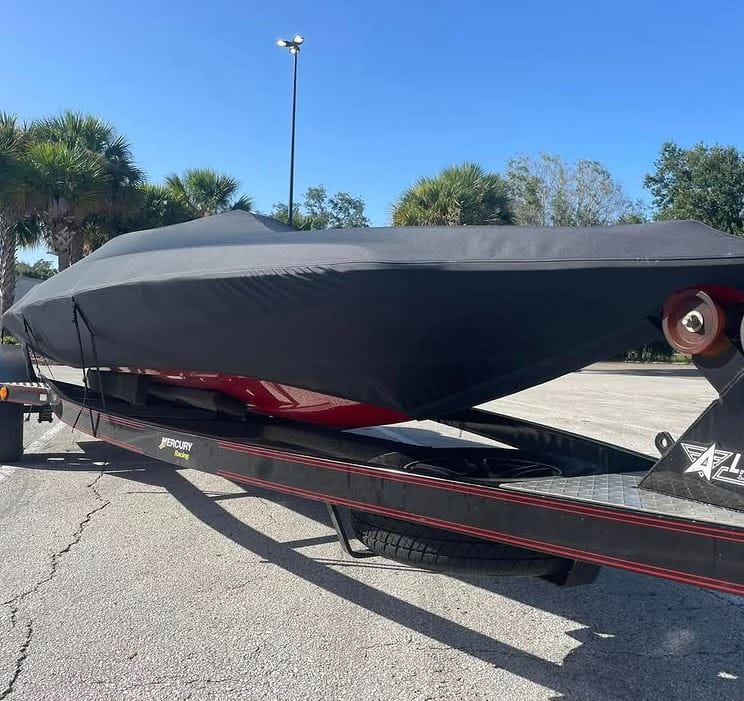
Water stains on a boat are more than a cosmetic nuisance; they are the visible result of mineral deposits—primarily calcium and magnesium—that have been baked onto the surface by the sun. If left untreated, these alkaline deposits can gradually etch into gelcoat, glass, and metal, turning a simple wipe-down into a labor-intensive restoration project. This guide provides a structured, material-specific approach to removing water stains safely and effectively, ensuring you do not trade a stain for permanent surface damage.
Understanding the Stain: Surface Deposits vs. Etching
Before applying any product, it is critical to diagnose the severity of the stain. Not all water spots are created equal, and treating an etched stain with a simple vinegar wash will yield frustration, while treating a surface deposit with heavy abrasives will unnecessarily remove gelcoat.
- Surface Mineral Deposits: These appear as chalky white or gray rings. They sit on top of the surface and are composed of dried salts and minerals. They can typically be dissolved with mild acids or specialized water-spot removers .
- Etched or Bonded Stains: If the spot feels rough to the touch or appears darker and “cratered,” the minerals have chemically bonded to or physically eroded the gelcoat. These require mechanical correction, such as polishing, rather than just chemical dissolution .
Step-by-Step Removal Protocol
The safest and most effective method for removing water stains follows a “least aggressive first” philosophy. This preserves the integrity of your boat’s finish.
Step 1: Preparation and Initial Wash
Never apply a specialized cleaner over loose dirt or grit. Wash the affected area with a pH-neutral marine soap and rinse thoroughly. Dry the area with a microfiber towel to identify the exact location of the stains; working on a wet surface can mask the spots, leading to over-application of chemicals .
Step 2: Chemical Dissolution (The Acidic Approach)
Because hard water minerals are alkaline, they react well to mild acids. For light to moderate staining, a 50/50 mixture of white vinegar and water is a common DIY starting point . However, for professional-grade results, dedicated water-spot removers utilize organic acids (like those found in Babe’s Spot Solver or Masterson’s Magic) that are formulated to break down silica scale without immediately stripping wax .
Technique: Apply the cleaner to a cool surface (work in the shade if possible) using a soaked microfiber cloth. Allow a dwell time of 30 seconds to 1 minute, then wipe gently. Do not let the product dry on the surface, as this can cause streaking .
Step 3: Mechanical Correction (For Bonded Stains)
If the stain remains after chemical treatment but feels smooth, it may be a shadow or a light etch. Use a marine-specific cleaner wax or a light polishing compound on a soft foam applicator. Work in small sections and use light pressure. If the stain is deeply etched (you can feel it with a fingernail), a machine polisher with a fine cutting pad may be necessary, but this should be performed by a professional or an experienced detailer to avoid burning through the gelcoat .
Material-Specific Considerations
Boats are composed of various materials, each reacting differently to chemical cleaners. The following table provides a comparison to prevent damage during the stain removal process.
Prevention: The Ultimate Strategy
The most effective way to remove water stains is to prevent them from forming. Minerals in water sources (whether from a marina hose, lake, or rain) leave deposits as soon as the water evaporates.
- The 10-Minute Rule: The single most effective habit is a quick wipe-down immediately after pulling the boat out of the water. Keep microfiber towels handy and dry the hull, windshield, and metal fittings while they are still wet. This takes minutes and prevents the minerals from baking onto the surface in the sun .
- Filtration Systems: For boaters in areas with particularly hard water, using an inline water filter (like a CR Spotless system) when washing the boat removes the calcium and magnesium before the water even touches the hull, eliminating the source of the spots .
- Sacrificial Protection: Applying a high-quality marine wax, sealant, or ceramic coating creates a hydrophobic barrier. Water beads up and rolls off before minerals can adhere. If a spot does form, it sits on top of the wax rather than etching into the gelcoat, making it far easier to remove .
Frequently Asked Questions (FAQ)
1. Can I use household vinegar to remove hard water stains?
Yes, white vinegar is a safe, mild acid that can dissolve light mineral deposits. However, it is slow-acting and may require multiple applications. Additionally, because vinegar is acidic, frequent use can strip the protective wax layer from your gelcoat over time, so you should always re-wax the area after treatment .
2. Are toilet bowl cleaners safe for removing boat waterline stains?
Many boaters use toilet bowl cleaners containing hydrochloric acid or oxalic acid for stubborn brown waterline stains on fiberglass. While effective, these are harsh chemicals. They can dull gelcoat, damage aluminum trailers, and strip all wax. If used, they must be applied quickly, rinsed thoroughly, and never allowed to dry on the surface. Professional marine-specific hull cleaners are generally safer and more predictable .
3. How do I remove water spots from a black or dark-colored boat?
Dark hulls show water spots more prominently than white ones. Avoid abrasive rubbing compounds unless necessary, as they can leave hazy swirl marks on dark gelcoat. Use a pH-neutral water spot remover or a dedicated detail spray (often containing a blend of vinegar and waxes) and wipe gently with a plush microfiber towel. Prevention via a ceramic coating is highly recommended for dark hulls .
4. What is the best way to clean the stainless steel rails on my boat?
Avoid using the same acid-based cleaners you use on the hull for stainless steel, as strong acids can pit the metal. Use a dedicated metal polish or a product that specifically leaves a water-repellent protective layer on metal. Apply with a microfiber cloth and buff to a shine. Never use steel wool, as it leaves iron particles that will rust .
5. How can I tell if the water stain has permanently damaged my gelcoat?
After cleaning, run your fingernail across the spot. If you can feel a depression or if the area looks cloudy and dull even after polishing, the minerals have etched the gelcoat. This is permanent physical damage that requires compounding and polishing to level the surrounding clear coat, or in severe cases, professional gelcoat repair .