How to Properly Clean Your Teeth After Drinking Lemon Water: A Dentist-Backed Guide
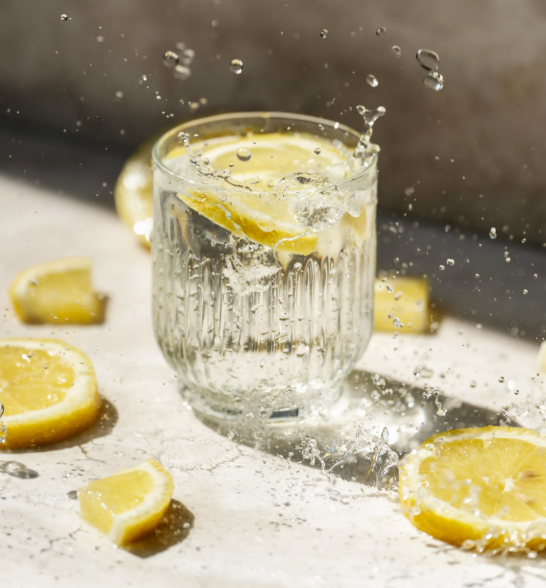
Drinking lemon water is a popular wellness habit, but it carries a significant dental caveat: lemon juice is highly acidic, with a pH typically between 2 and 3 . This acidity can soften tooth enamel, and cleaning your teeth incorrectly immediately afterward can cause permanent damage. The key to protecting your smile lies not in avoiding lemons entirely, but in timing your oral hygiene routine correctly and neutralizing the acid before it wears away the protective outer layer of your teeth.
Why Immediate Brushing Is a Mistake
The instinct to brush immediately after consuming something acidic is understandable, but it is counterproductive. Citric acid temporarily softens the enamel on your teeth . If you introduce a toothbrush and abrasive toothpaste while the enamel is in this weakened state, you literally brush away microscopic layers of the tooth’s protective shield . Because enamel does not regenerate, this loss is permanent .
Dental professionals universally advise against brushing immediately after drinking lemon water. Instead, the focus should be on neutralizing the acid and allowing saliva to naturally re-harden the enamel before you introduce a toothbrush.
The Step-by-Step Protocol for Post-Lemon Care
To minimize the risk of acid erosion while maintaining oral hygiene, follow this sequence after finishing your lemon water.
Step 1: Rinse Immediately with Plain Water
As soon as you finish your drink, rinse your mouth thoroughly with plain water. This simple action helps wash away residual citric acid lingering on the tooth surfaces and begins to neutralize the oral environment . Some dental professionals also suggest rinsing with a small amount of baking soda dissolved in water to further neutralize acidity, though plain water is a suitable first step .
Step 2: Wait Before Brushing (The Critical Window)
This is the most important rule: do not brush your teeth immediately. You must wait for your saliva to neutralize the remaining acid and for the enamel to re-harden (remineralize). The recommended waiting period varies slightly among professional organizations:
Practical Recommendation: For most people, waiting at least 30 to 60 minutes is adequate. If you have sensitive teeth or frequently consume lemon water, leaning toward the 60-minute mark is the safer choice.
Step 3: Stimulate Saliva
While you wait, you can encourage saliva production, which is your body’s natural defense against acid. Chewing sugar-free gum (especially varieties containing xylitol) helps stimulate saliva flow, which washes away acids and supplies calcium and phosphate to help repair early enamel damage .
Step 4: Brush Gently
Once the waiting period has passed, brush your teeth using a soft-bristled toothbrush and a fluoride toothpaste . Avoid brushing aggressively. Fluoride helps to strengthen the enamel and reverse early stages of demineralization.
Comparison of Protective Strategies
Beyond timing your brushing, how you consume lemon water dictates the level of risk to your enamel. The table below compares common habits and their impact on dental health.
Recognizing the Signs of Enamel Erosion
Because enamel erosion is irreversible, early detection is vital. If you drink lemon water frequently, monitor your teeth for the following warning signs:
- Sensitivity: Increased discomfort when consuming hot, cold, or sweet foods and drinks .
- Transparency: The edges of your front teeth may begin to look slightly see-through or transparent .
- Discoloration: As enamel thins, the yellowish dentin underneath becomes more visible, leading to a yellowed appearance .
- Cupping: Small indentations may form on the chewing surfaces of your teeth.
If you notice any of these symptoms, consult your dentist. They may recommend desensitizing agents or, in severe cases, restorative treatments like bonding or crowns .
Frequently Asked Questions (FAQs)
1. Can I brush my teeth immediately after drinking lemon water if I use a soft toothbrush?
No. The bristle softness does not change the chemical reality. The acid from the lemon has softened the enamel, and the mechanical action of brushing—even with soft bristles—can cause wear. You must wait at least 30 minutes for your saliva to neutralize the acid and for the enamel to re-harden before brushing .
2. Does drinking lemon water through a straw really protect my teeth?
Yes, significantly. A straw directs the acidic liquid toward the back of your mouth, bypassing the front surfaces of your teeth where enamel erosion is most visible and cosmetically concerning. While it doesn’t eliminate all contact, it is a highly effective harm-reduction strategy recommended by dentists .
3. Is it better to use mouthwash instead of brushing after lemon water?
It depends on the mouthwash. Using a fluoride mouthwash immediately after drinking lemon water is generally safe and can help remineralize enamel without the abrasion of brushing. However, avoid mouthwashes with a high alcohol content, as they can dry out the mouth and reduce saliva flow. The best immediate step is rinsing with plain water, followed by a fluoride mouthwash if desired, and saving the brushing for later .
4. Can I reverse enamel erosion caused by lemon water?
No, enamel cannot be regrown. Unlike bone, enamel has no living cells and cannot regenerate once lost . However, you can stop the progression. Early stages of demineralization (before the enamel is actually gone) can be reversed through fluoride treatments and remineralization products like CPP-ACP (Tooth Mousse) . Once the physical enamel layer is worn away, the damage is permanent and must be managed by a dentist.
5. How long should I wait to brush if I drank hot lemon water?
Wait longer than you would for cold water. Hot water increases the solubility of the acid and its chemical activity, meaning it attacks enamel more aggressively than cold lemon water . If you drink hot lemon water, you should wait a full 60 minutes before brushing to ensure the enamel has sufficiently recovered.
Conclusion: Enjoying lemon water does not have to come at the expense of your teeth. By rinsing with water immediately, waiting at least 30 minutes before brushing, and using a straw, you can mitigate the acidic assault on your enamel and keep your smile intact.