How Proper Ventilation and Roofing Work Together to Protect Your Home
When people think about maintaining a clean and healthy home, the focus often falls on visible tasks, vacuuming floors, wiping surfaces, and organizing spaces. While these efforts are important, they only address part of the picture. The true condition of a home is shaped just as much by what lies above and behind the walls as by what can be seen.
Two of the most critical yet overlooked elements in this equation are roofing and ventilation. Together, they form a system that protects the structure, regulates indoor conditions, and supports long-term cleanliness and comfort. When these components work in harmony, the result is a home that not only looks well-maintained but actually functions that way.
Climate Control and Comfort
In addition to ventilation, heating and cooling systems play a key role in maintaining indoor comfort. These systems work alongside ventilation to regulate temperature and support air quality.
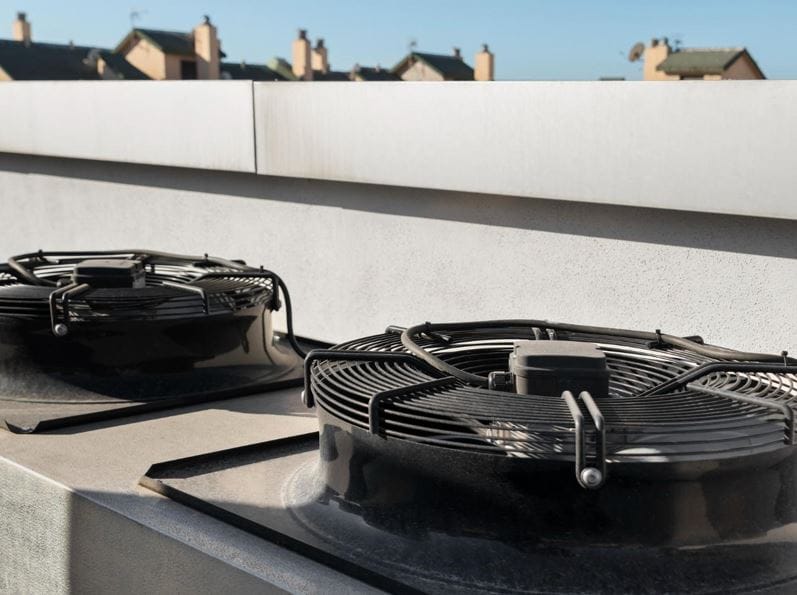
In regions with extreme heat, reliable cooling becomes essential. Services such as HVAC & Air Conditioning in Phoenix, AZ help ensure that indoor environments remain comfortable and consistent, even during challenging weather conditions.
When HVAC systems are properly maintained, they operate more efficiently, reduce energy consumption, and contribute to a more stable indoor climate. This consistency enhances both comfort and cleanliness, as balanced temperatures help prevent issues related to moisture and condensation.
Why Ventilation Matters More Than You Think
While the roof keeps external elements out, ventilation manages what happens inside. Proper airflow helps regulate temperature, control humidity, and maintain indoor air quality.
Without adequate ventilation, warm air and moisture can become trapped within the home. Over time, this can create conditions that encourage mold and mildew growth, particularly in areas such as attics and crawl spaces. It can also lead to uneven temperatures, making living spaces less comfortable.
Effective ventilation allows air to circulate, removing excess moisture and helping maintain a balanced environment. This is especially important in climates where temperature fluctuations are common or where humidity levels can vary.
The Roof as the First Line of Defense
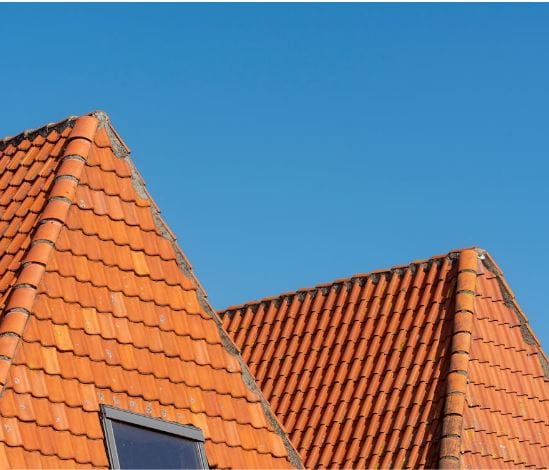
The roof plays a foundational role in protecting a home from external elements. It shields against rain, heat, wind, and debris, preventing moisture from entering the structure. Even minor vulnerabilities, such as damaged shingles or inadequate sealing, can allow water to penetrate, leading to issues that extend far beyond the exterior.
Moisture intrusion is one of the most common causes of hidden damage. It can lead to mold growth, weakened structural components, and compromised insulation. These problems often develop gradually, making them difficult to detect until they become more serious.
Working with experienced professionals like Pickle Roofing Solutions helps ensure that the roof remains in good condition. Regular inspections and timely repairs reduce the risk of water damage and support the overall integrity of the home.
A well-maintained roof does more than protect against weather, it creates the foundation for a stable indoor environment.
The Connection Between Roofing and Ventilation
Roofing and ventilation are not separate systems, they are closely connected. The design and condition of the roof directly influence how well air can move through the home.
For example, proper attic ventilation relies on a combination of intake and exhaust systems that are integrated into the roof structure. If these components are blocked or improperly installed, airflow is restricted, leading to heat buildup and moisture accumulation.
This connection highlights the importance of addressing both elements together. A high-quality roof without proper ventilation can still lead to problems, just as effective ventilation cannot compensate for a compromised roof.
Indoor Air Quality and Cleanliness
The relationship between ventilation and cleanliness is often underestimated. Air that does not circulate properly can carry dust, allergens, and pollutants, allowing them to settle throughout the home.
Over time, this affects not only how clean a space looks but also how it feels. Stale air, increased dust buildup, and lingering odors can all be signs of inadequate airflow.
According to the Environmental Protection Agency, indoor air can be significantly more polluted than outdoor air, particularly when ventilation is limited. This underscores the importance of maintaining systems that support continuous air exchange.
Preventing Problems Before They Start
One of the most effective ways to protect a home is through preventative maintenance. Regular inspections of both roofing and ventilation systems can identify potential issues before they become more serious.
This might include checking for damaged roofing materials, ensuring that vents are clear and functioning properly, and maintaining HVAC systems to support overall airflow. Addressing these factors early reduces the likelihood of costly repairs and helps maintain a healthier living environment.
Preventative care also supports long-term efficiency. Systems that are well-maintained tend to perform better and last longer, providing consistent benefits over time.
A Holistic Approach to Home Maintenance
Understanding how roofing and ventilation work together encourages a more comprehensive approach to home care. Rather than focusing solely on visible cleanliness, homeowners can consider how underlying systems contribute to overall conditions.
This perspective shifts maintenance from a reactive process to a proactive one. By addressing both structural and environmental factors, it becomes possible to create a home that is not only clean on the surface but also well-balanced internally.
Proper ventilation and roofing are essential components of a healthy home. While they may not be immediately visible, their impact is far-reaching, affecting everything from structural integrity to indoor air quality and overall comfort.
By ensuring that these systems are properly maintained and work together effectively, homeowners can protect their living spaces from hidden issues and create environments that support long-term wellbeing.
In the end, a truly clean home is not defined only by what we see. It is shaped by how well the entire system functions, from the roof above to the air we breathe inside.