What Renters Should Look for When Browsing Apartment Listings
Finding the right apartment has become easier in many ways thanks to online rental platforms, but the process can still feel overwhelming. A listing may look attractive at first glance, yet important details are often hidden beneath polished photos and short descriptions. Renters who make decisions too quickly sometimes face unexpected costs, inconvenient locations, or lease terms that do not match their lifestyle.
Today’s renters need more than just a basic search process. They need a careful strategy that helps them evaluate properties realistically and avoid common mistakes. Whether someone is relocating to a new city, searching for a larger home, or trying to stay within a specific budget, understanding how to assess apartment listings properly can save both time and money.
As more people view apartment listings on Rentberry and similar rental platforms, it becomes increasingly important to know which factors truly matter before scheduling tours or signing agreements. A thoughtful approach can help renters identify listings that align with their financial goals, daily routines, and long-term housing needs.
Pay Attention to Listing Accuracy and Completeness
One of the first things renters should examine is whether the apartment listing provides complete and transparent information. Reliable listings typically include details such as monthly rent, square footage, lease duration, pet policies, parking availability, and utility responsibilities.
Incomplete listings may indicate poor communication from the landlord or property manager. For example, if a listing does not clearly mention whether utilities are included, renters may later discover significantly higher monthly expenses. Similarly, vague descriptions like “spacious layout” or “great neighborhood” should not replace measurable information.
Photos are another important element. High-quality images should show multiple areas of the apartment, including bedrooms, bathrooms, kitchen spaces, and common areas. Listings that display only a few edited photos may not accurately represent the property’s actual condition.
Renters should also compare written descriptions with the images provided. If the listing claims recently renovated interiors but photos show outdated fixtures or visible wear, that inconsistency deserves attention.
Evaluate the Neighborhood Carefully
The apartment itself is only one part of the living experience. The surrounding neighborhood can have a major impact on convenience, safety, transportation access, and quality of life.
Before making a decision, renters should research nearby grocery stores, pharmacies, public transportation, hospitals, schools, and recreational areas. Commute times are particularly important for individuals who travel daily for work or education.
Crime statistics and neighborhood reviews can also offer valuable insight. While no area is completely free from problems, renters should feel comfortable and informed about the location they choose.
Many renters who view apartment listings on Rentberry focus heavily on interior photos while overlooking neighborhood considerations. However, even a well-designed apartment may become frustrating if it is located far from essential services or in an area with poor transportation connections.
Visiting the neighborhood at different times of the day can also reveal useful details about traffic, noise levels, and overall atmosphere.
Understand the Full Cost of Renting
Monthly rent is not the only expense renters should calculate. Many apartments include additional costs that can significantly affect affordability over time.
Application fees, security deposits, parking charges, maintenance fees, internet services, and utility bills all contribute to the total monthly housing expense. Some buildings may also require renter’s insurance or move-in fees.
Financial experts commonly recommend spending no more than around 30% of monthly income on housing costs, although actual affordability depends on personal financial responsibilities. Renters should create a realistic budget before committing to a lease.
It is also wise to ask whether rent increases are common after the first lease term. In competitive housing markets, some properties advertise lower introductory pricing that rises substantially during renewal periods.
When renters view apartment listings on Rentberry, they should carefully review all available pricing details rather than focusing only on the advertised base rent. A slightly more expensive apartment with included utilities may ultimately be more affordable than a cheaper unit with multiple hidden costs.
Review Lease Terms Before Making Commitments
Lease agreements are legally binding documents, yet many renters skim through them too quickly. Understanding lease terms before signing is essential for avoiding future disputes and unexpected penalties.
Key areas to review include lease duration, renewal policies, guest rules, pet restrictions, maintenance responsibilities, and procedures for ending the lease early. Some leases may contain clauses related to property inspections or restrictions on modifications to the apartment.
Renters should also confirm whether the property management company has clear maintenance response procedures. Delayed repairs can create significant inconvenience, especially in cases involving plumbing, heating, or electrical issues.
Short-term and long-term leases each have advantages depending on personal circumstances. Individuals expecting career changes or relocation opportunities may prefer flexible lease options, while long-term renters often prioritize pricing stability.
As renters view apartment listings on Rentberry, reviewing lease information early in the process can help eliminate properties that do not align with their needs or future plans.
Look Beyond Staged Photos
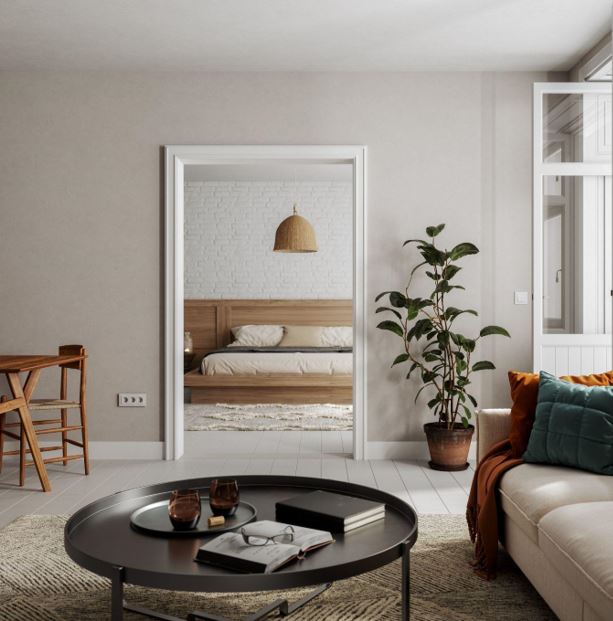
Online apartment listings are designed to attract attention, and professional photography has become standard across many rental platforms. Wide-angle lenses, bright lighting, and staged furniture can make spaces appear larger or more luxurious than they actually are.
For this reason, renters should avoid relying entirely on photos when evaluating apartments. Floor plans often provide a more realistic understanding of room dimensions and layout functionality.
Video tours can also help renters gain a better sense of the property’s condition and overall flow. In some cases, requesting an in-person or virtual tour allows renters to inspect details that photos may not reveal, such as water damage, worn flooring, or inadequate natural lighting.
Questions about appliance age, storage space, internet connectivity, and ventilation can provide further clarity during tours.
Experienced renters understand that visual presentation is only one piece of the decision-making process. Careful observation and direct communication with landlords remain essential steps.
Check the Reputation of the Property Management
A well-maintained apartment building often reflects effective property management. Even a beautiful apartment can become difficult to live in if maintenance requests are ignored or communication is poor.
Online reviews from current or previous tenants may reveal recurring issues related to repairs, billing disputes, pest control, or security concerns. While not every negative review should be treated as absolute truth, consistent complaints deserve attention.
Renters should also evaluate how responsive landlords or property managers are during the inquiry stage. Delayed responses, unclear answers, or unprofessional communication before signing a lease may indicate future difficulties.
As more renters view apartment listings on Rentberry and other digital platforms, reputation research has become an important part of the apartment search process. A trustworthy management team often contributes significantly to tenant satisfaction and long-term housing stability.
Consider Future Lifestyle Needs
An apartment that works well today may not remain practical in the future. Renters should think about how their lifestyle could change during the lease period.
For example, remote workers may require reliable internet service and quiet environments. Families may prioritize school access and additional storage space. Pet owners need clear pet policies and nearby outdoor areas.
Storage capacity, parking availability, laundry access, and building amenities should also match daily routines and preferences. Some renters prioritize fitness centers or coworking spaces, while others value privacy and lower noise levels.
Long-term thinking can reduce the likelihood of needing another move within a short period. Moving expenses, application fees, and time spent searching for housing can add up quickly.
Choosing an apartment based solely on appearance or promotional descriptions may lead to regret if practical needs are ignored.
Verify Safety and Maintenance Features
Safety should always remain a top priority when evaluating apartment listings. Renters should confirm the presence of essential safety features such as smoke detectors, secure locks, fire exits, and adequate lighting in shared areas.
Older buildings may require closer inspection for maintenance concerns including plumbing problems, mold, electrical issues, or poor insulation. Water stains on ceilings or walls can sometimes indicate unresolved structural problems.
It is also important to ask about emergency maintenance availability. Problems such as heating failures or plumbing leaks often require immediate attention outside normal business hours.
Well-maintained buildings generally demonstrate stronger long-term property care, which can improve both comfort and safety for residents.
Compare Multiple Listings Before Deciding
One common mistake renters make is choosing the first acceptable apartment they find. Comparing several listings helps renters understand local pricing trends, common amenities, and realistic expectations for their budget.
Creating a checklist can simplify comparisons. Factors such as rent, commute time, safety, lease flexibility, included utilities, and property condition can be ranked according to personal importance.
The apartment search process often becomes more successful when renters remain patient and analytical rather than emotionally attached to a single listing too early.
Online platforms provide access to a wide variety of options, allowing renters to make more informed decisions than in previous decades. However, successful apartment hunting still requires research, careful evaluation, and thoughtful planning.
Final Thoughts
Browsing apartment listings is about far more than finding attractive photos or affordable rent prices. A smart renter evaluates the complete living experience, including neighborhood quality, lease terms, management reputation, maintenance standards, and future lifestyle needs.
The growing popularity of digital rental platforms has made apartment searching more convenient, but convenience should never replace careful research. Renters who take time to verify details, compare options, and ask informed questions are more likely to secure housing that truly meets their expectations.
As people continue to view apartment listings on Rentberry and other online platforms, the ability to identify reliable, transparent, and suitable listings becomes increasingly valuable. A thoughtful approach not only reduces financial risk but also helps renters find a home that supports comfort, stability, and long-term satisfaction.