The Definitive Guide to Cleaning Inflatables: Prolong Lifespan & Ensure Safety
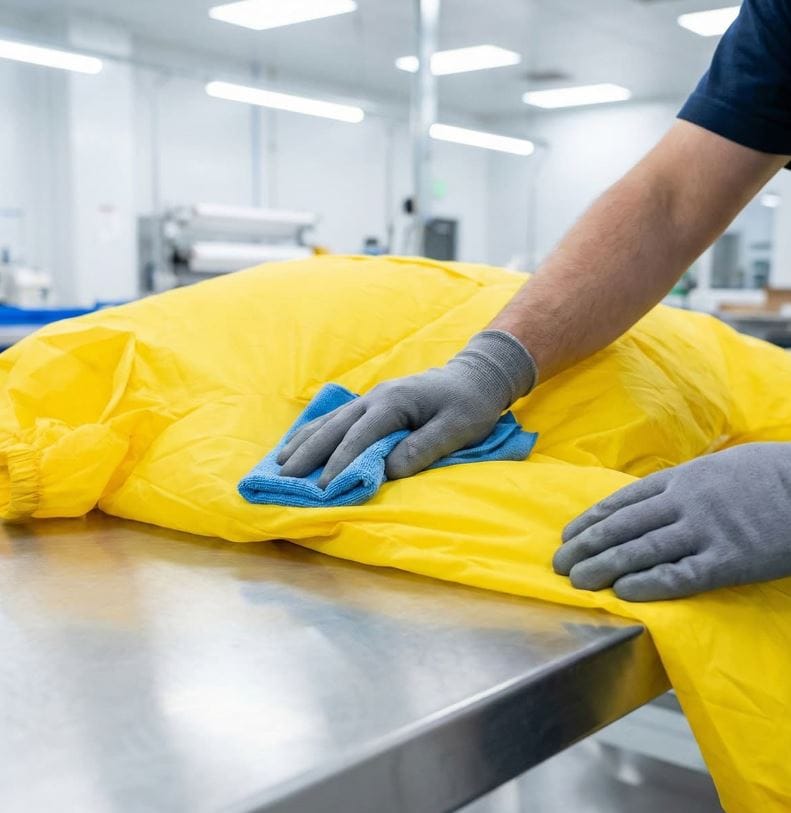
Inflatables—whether they are backyard bounce houses, commercial water slides, paddleboards, or inflatable movie screens—are significant investments. Proper cleaning is not merely about aesthetics; it is a critical maintenance procedure that prevents material degradation, eliminates biohazards (mold, bacteria), and ensures user safety. Improper cleaning techniques, conversely, can void warranties and cause microscopic tears that lead to catastrophic failures.
This guide provides a chemical and mechanical breakdown of how to clean inflatables correctly, using industry standards from manufacturers like Intex, Little Tikes, and commercial rental giants.
Why Standard “Soap and Water” Fails
Most household cleaners contain solvents, degreasers, or abrasives that attack PVC (polyvinyl chloride) or vinyl. Ammonia makes vinyl brittle; bleach oxidizes and weakens seam welds; citrus-based degreasers leach plasticizers, causing the material to crack. You require a neutral-pH cleaner specifically designed for polymeric membranes.
Phase 1: Pre-Cleaning Assessment & Safety
Before applying any liquid, perform a dry inspection.
| Step | Action | Critical Checkpoint |
|---|---|---|
| 1 | Deflate completely | Remove all air to expose creases where dirt hides |
| 2 | Remove loose debris | Use a soft-bristle broom (never metal) or leaf blower |
| 3 | Check for damage | Look for pinholes, seam separation, or UV embrittlement |
| 4 | Test a patch | Apply your cleaner to a hidden area (e.g., near the inflation valve) |
Warning: Never clean an inflated structure under tension. Cleaning while inflated stretches the material, forcing dirt deeper into micro-fissures.
Phase 2: Choosing Your Cleaning Agent (Comparison Table)
Select a cleaner based on the type of soiling and material. Below is a technical comparison.
| Cleaner Type | pH Level | Best For | Kills Mold? | Rinse Required? | Risk to Inflatable |
|---|---|---|---|---|---|
| Commercial Vinyl Cleaner (e.g., 303 Cleaner) | 7.0 (Neutral) | General dirt, fingerprints | No | No | None – Warranty safe |
| Mild Dish Soap (Dawn Free & Clear) | 7.5 – 8.0 | Food stains, body oils | No | Yes | Low – If rinsed thoroughly |
| White Vinegar Solution (1:4 with water) | 2.5 (Acidic) | Mineral deposits, mildew odors | Yes | Yes | Moderate – Do not soak |
| Bleach Solution (<0.5%) | 11+ (Alkaline) | Black mold outbreaks | Yes | Heavy | High – Degrades fabric; final resort |
| Isopropyl Alcohol (70%) | 7.0 | Adhesive residue, marker ink | Yes | No | Low – Spot-use only |
Recommendation: For 90% of users, a 1:10 solution of mild dish soap to lukewarm water + a soft microfiber cloth is optimal, followed by a fresh-water rinse.
Phase 3: Step-by-Step Deep Cleaning Protocol
Equipment Required:
- Two 5-gallon buckets (one soapy, one rinse)
- Soft-bristle deck brush (nylon, not polypropylene)
- Microfiber towels (no lint)
- Garden sprayer or low-pressure hose (under 1,200 PSI)
- Inflatable repair patch kit (on hand)
Procedure:
- Set Up on a Clean Surface
Spread a tarp on grass or a driveway. Avoid asphalt on hot days (the dark surface can exceed 140°F, softening PVC). - Mix Solution & Apply
Fill sprayer with lukewarm (never hot) water + soap. Spray a 6ft x 6ft section. Let dwell for 90 seconds – this is the surfactant residence time needed to lift oils. - Agitate Mechanically
Use the deck brush in circular motions with light pressure (approx. 2 lbs force). Scrubbing harder does not clean better; it abrades the glossy topcoat. Focus on seams and tread patterns. - Rinse Immediately
Rinse with cool, low-pressure water. High-pressure washers (above 1,500 PSI) will delaminate the welded seams – a common user error that voids warranties. - Extract Moisture
Use a squeegee or a clean microfiber to remove standing water. Do not let water pool inside double-wall inflatables (e.g., air mattresses); tilt to drain. - Disinfect (If Necessary)
For rental units or after vomit/urine incidents: Wipe with a 70% isopropyl alcohol spray, let air dry for 5 minutes, then rinse again. Alcohol evaporates quickly and kills 99.9% of bacteria without bleaching.
Phase 4: Drying – The Most Overlooked Step
Moisture trapped in folds or valves is the #1 cause of mildew odor and material breakdown. Follow this drying matrix:
| Inflatable Type | Drying Method | Time | Humidity Limit |
|---|---|---|---|
| Small pool floats | Hang indoors, fan-circulated | 4 hrs | <60% RH |
| Bounce house | Inflated in shade, blower running | 2-3 hrs | N/A (blower pushes air) |
| Paddleboard (iSUP) | Partially inflated, on edge stand | 24 hrs | <50% RH |
| Water slide | Draped over large PVC frame | 6-8 hrs | Avoid direct sun |
Never store damp. If you feel moisture when folding, you will find mold in 72 hours.
Phase 5: Post-Cleaning UV Protection
After cleaning, the plasticizers in PVC are stripped from the surface. Apply a UV protectant (e.g., 303 Aerospace Protectant) every 5-6 washes. This restores the polymer’s flexibility and blocks UV-B rays that cause crazing (micro-cracks). Spray on, wipe off – do not let it pool on seams.
Common Mistakes That Destroy Inflatables
- Using a pressure washer – Even “soft wash” settings exceed 800 PSI, enough to inject water between welded layers.
- Bleach soaks – Bleach breaks down the phthalate plasticizers; the vinyl will become stiff and shatter in cold weather.
- Dry in direct sun – UV + heat accelerates oxidation. Inflatables left inflated in summer sun lose 20% of tensile strength per season.
- Folding while wet – Creates an anaerobic environment perfect for Aspergillus and Staphylococcus.
Storage Preparation After Cleaning
Once completely dry:
- Dust the surface with talcum powder or cornstarch – this prevents sticking during long-term storage.
- Fold loosely – never crease sharply. Sharp creases become permanent stress fractures.
- Store in a breathable cotton bag (never plastic bins – trapped humidity = mold).
- Keep between 50°F and 80°F in a dark location.
Troubleshooting Common Problems
| Problem | Cause | Solution |
|---|---|---|
| White powdery residue | Plasticizer migration | Wipe with 1:10 vinegar solution, rinse. Do not use oil-based cleaners. |
| Black spots (mold) | Stored wet >48 hrs | Spot-clean with 0.5% bleach (1 tbsp bleach per gallon), rinse 3x. |
| Sticky surface | Chemical reaction with sunscreen or insect repellent | Apply baking soda paste, let sit 1 hour, rinse. Then apply protectant. |
| Loss of gloss | UV damage | Polish with marine vinyl restorer (non-silicone). |
Final Word: Frequency of Cleaning
- Residential use: After every 3rd use, or immediately if mud/sand is present.
- Commercial rental: After every single use – legally required for sanitation.
- Permanent installation (e.g., inflatable dome): Bi-weekly wipe-down; monthly deep clean.
By following this protocol, you will extend the functional life of your inflatable from an average of 2 years to 7+ years, maintain factory safety standards, and ensure a hygienic play or sport surface.