How Modern Landlords Automate Property Maintenance and Financial Operations

The real estate sector has historically relied on spreadsheets, frantic phone calls, and paper trails to manage residential and commercial properties. Today, property technology is fundamentally changing how modern investors operate. By adopting specialised software, independent landlords and property managers can scale their portfolios without proportionally increasing their administrative workload. For instance, overseas investors expanding their portfolios into the Pacific region often research what accounting services do landlords need in New Zealand? to remain fully compliant with local authorities. The two most time-consuming and resource-heavy aspects of property investment are physical upkeep and financial administration. Both of these areas are now prime targets for digital automation, allowing investors to shift from reactive troubleshooting to proactive portfolio management.
The True Cost of Outdated Operations
Sticking to traditional property management methods is no longer just an administrative headache, as it is a significant financial liability. Landlords who rely on manual data entry, scattered email threads, and reactive maintenance calls often find their growth capped by their own operational bottlenecks. When systems are fragmented, important details like lease renewals, late fee calculations, or minor repair requests inevitably slip through the cracks. This disorganisation not only frustrates tenants but also leads to rapid property degradation and unexpected capital expenditures down the line.
Failing to modernise comes with a steep price tag, as outdated systems leave portfolios vulnerable to inefficiencies. According to research from MIT Sloan, embracing proptech empowers property managers to improve operational efficiency, automate workflows, and enhance the overall value of real estate portfolios. This operational shift underscores why successful property investors are rapidly adopting digital solutions. By minimising human error and streamlining daily workflows, landlords can protect their profit margins and reduce the costly consequences of deferred maintenance or disorganised accounting practices.
Automating Physical Upkeep and Tenant Turnovers
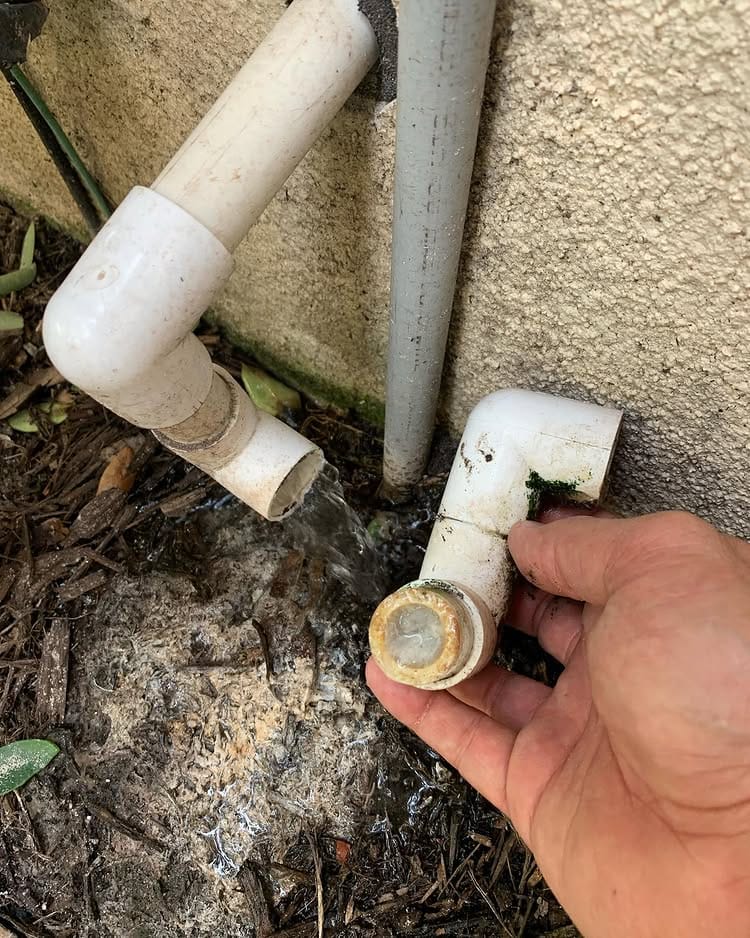
Maintaining a rental property is essentially a round-the-clock job if handled manually. However, cloud-based property management platforms now allow landlords to automate the entire lifecycle of tenant maintenance requests. When a tenant logs a plumbing issue or an electrical fault, the system can automatically route the ticket to an approved local contractor, track the repair progress, and process the final invoice upon completion. This keeps tenants satisfied with quick response times while entirely removing the landlord from the middleman role, significantly reducing daily stress.
Automation proves particularly valuable during tenant transitions. The gap between leases is a critical window where logistical delays directly impact cash flow and overall profitability. Modern software can trigger automated workflows the exact moment a lease termination notice is received. For example, a system can automatically coordinate final inspections and schedule a comprehensive move-out cleaning service to ensure the property is spotless for the next occupants, all without the landlord having to make a single phone call or send a reminder text message.
To fully optimise physical property maintenance, modern landlords typically automate several core processes:
- Dispatching local vendors automatically based on the specific categorisation and urgency of tenant repair requests.
- Scheduling preventative maintenance alerts for routine seasonal tasks like HVAC servicing, roof inspections, or gutter clearing.
- Generating digital move-in and move-out condition reports complete with time-stamped photographs and digital signatures.
- Deploying direct messaging portals that keep tenants updated on upcoming repair schedules and expected completion times.
Streamlining Financial Operations and Compliance
Once physical operations run smoothly, an investor’s attention must shift to back-office efficiency. Automated rent collection via direct debit or online payment portals is just the foundation of a modern portfolio. Modern property management tools now integrate directly with robust cloud accounting software. This creates a seamless flow of data where bank feeds are reconciled automatically, expenses are categorised in real-time, and cash flow reports are generated instantly for review.
This level of financial integration is exceptionally crucial for investors operating in heavily regulated markets or managing assets across different countries. Navigating local tax legislation, complex depreciation schedules, and allowable deductions requires precise record-keeping. The ideal solution generally involves a mix of specialised bookkeeping, strict tax preparation, and real-time ledger management that seamlessly integrates with an existing property technology stack. Maintaining compliance across borders demands a proactive approach rather than reactive scrambling.
By automating the flow of financial data, property owners ensure that their end-of-year tax filing is a simple verification process rather than a stressful forensic accounting exercise. Accurate, automated books also make it significantly easier to secure financing for future property acquisitions, as lenders strongly prefer applicants with pristine, instantly verifiable financial records.
The Future of Property Investment
Scaling a successful real estate portfolio today requires a deliberate shift from being a hands-on landlord to acting as a strategic digital asset manager. By leveraging modern technology to automate routine maintenance, streamline tenant turnovers, and maintain flawlessly accurate financial records, investors can protect the value of their properties while freeing up valuable time. Ultimately, the future of real estate investment belongs to those who embrace automation at every operational level.