Does Sevin Dust Kill Tomato Worms? A Gardener’s Definitive Guide
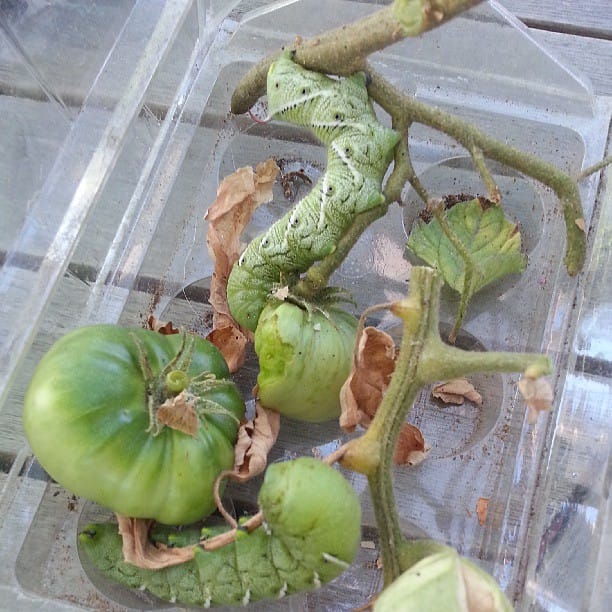
Watching your prized tomato plants get devoured by hungry caterpillars is a frustrating experience for any gardener. You’ve likely heard of Sevin Dust as a powerful solution, but you’re asking the critical question: Does Sevin Dust effectively kill tomato worms?
The short answer is yes, Sevin Dust is a highly effective insecticide that kills tomato worms, also commonly known as hornworms. However, its use comes with significant considerations regarding safety, environmental impact, and application timing.
This definitive guide will explore how Sevin Dust works on tomato worms, weigh its pros and cons, and provide safer alternatives to protect your tomato harvest.
Understanding the Enemy: What Are Tomato Worms?
“Tomato worm” is the common name for the larval stage of the five-spotted hawkmoth (Manduca quinquemaculata). More accurately, they are called tomato hornworms. These large, green caterpillars can strip a tomato plant of its leaves and fruit in a matter of days, making them one of the most destructive pests in the vegetable garden.
How Sevin Dust Kills Tomato Worms
Sevin Dust’s active ingredient is carbaryl, a broad-spectrum chemical insecticide belonging to the carbamate family.
How it works: Carbaryl is a contact and stomach poison. This means:
- Contact Poison: The insecticide is absorbed through the worm’s exoskeleton (skin) upon direct contact with the dust.
- Stomach Poison: When the worm consumes plant foliage that has been treated with Sevin Dust, the poison is ingested.
Carbaryl attacks the insect’s nervous system, causing paralysis and eventual death. For a tomato hornworm, which has a large, soft body, exposure to a sufficient amount of Sevin Dust is typically fatal.
Expert Insight: “Carbaryl is a potent neurotoxin to insects. Its effectiveness on large, soft-bodied caterpillars like hornworms is well-documented. However, gardeners must be acutely aware that its potency is not selective and can harm the beneficial insects that are crucial for a healthy garden ecosystem.” – Based on entomological principles from university extension services.
The Pros and Cons of Using Sevin Dust on Tomatoes
Before you reach for the iconic red and white bottle, it’s crucial to understand the full picture.
Pros:
- High Effectiveness: It reliably kills a wide range of garden pests, including hornworms, Japanese beetles, and leafrollers.
- Fast-Acting: You will typically see results and a reduction in pest activity within hours to a day.
- Ease of Use: The dust format is ready-to-use and requires no mixing.
Cons:
- Harmful to Beneficial Insects: This is its biggest drawback. Sevin Dust is highly toxic to bees, ladybugs, lacewings, and earthworms—all vital for pollination and natural pest control.
- Potential Health Risks: Carbaryl is a suspected carcinogen and can be harmful if inhaled or absorbed through the skin. It’s crucial to follow label directions precisely.
- Pre-Harvest Interval (PHI): Sevin has a 3-day PHI for tomatoes. This means you cannot harvest or eat tomatoes for 3 full days after application.
- Environmental Concerns: It can contaminate soil and water and is toxic to fish and other aquatic life.
Sevin Dust vs. Common Alternatives: A Quick Comparison
The following table compares Sevin Dust with other popular methods for controlling tomato hornworms.
| Method | How It Works | Pros | Cons |
|---|---|---|---|
| Sevin Dust (Carbaryl) | Neurotoxic insecticide (contact & stomach) | Highly effective; fast-acting; easy to apply. | Harmful to bees & beneficial insects; 3-day PHI; chemical residue. |
| Bt (Bacillus thuringiensis) | Biological insecticide; worms ingest and stop feeding. | Highly target-specific (only caterpillars); safe for people, pets, bees. | Slower acting (takes 1-2 days); needs to be ingested; washes off in rain. |
| Hand-Picking | Physically removing worms from plants. | 100% organic, immediate, and free. | Labor-intensive; requires daily scouting. |
| Beneficial Insects | Introducing natural predators (e.g., parasitic wasps). | Completely natural and sustainable; long-term solution. | Requires a balanced ecosystem; not an immediate “fix.” |
| Neem Oil | Disrupts insect hormones and acts as an antifeedant. | Organic; low toxicity to beneficials; fungicide benefits. | Requires frequent reapplication; less effective on large worms. |
How to Use Sevin Dust on Tomato Plants Safely and Effectively
If you choose to use Sevin Dust, follow these steps to minimize risks:
- Identify the Pest Correctly: Ensure the damage is from hornworms and not another issue like disease.
- Wear Protective Gear: Don gloves, safety glasses, and a dust mask.
- Apply in the Early Evening: This minimizes the risk to bees, which are less active at this time. Never apply when flowers are in bloom and bees are present.
- Dust Lightly and Targetedly: Apply a thin, even layer to the upper and lower surfaces of the leaves where worms are feeding. Avoid drenching the plant or creating clouds of dust.
- Respect the Pre-Harvest Interval (PHI): Do not harvest tomatoes for at least 3 days after application.
- Wash Harvested Tomatoes Thoroughly: Even after the PHI, always wash all produce before eating.
Safer, Gardener-Approved Alternatives to Sevin Dust
For many gardeners, the risks of Sevin Dust outweigh the benefits. Here are highly effective and safer strategies:
- Bt (Bacillus thuringiensis): This is often the #1 recommended solution. It’s a natural bacteria that specifically targets and kills caterpillars without harming other insects, pets, or people.
- Encourage Natural Predators: Plant flowers like marigolds and dill to attract braconid wasps. These tiny wasps lay eggs on hornworms, and the emerging larvae parasitize and kill them.
- Hand-Picking: Go out to your garden in the early morning or evening and pick off the hornworms. Drop them into a bucket of soapy water.
- Till Your Soil: Since hornworms pupate in the soil, tilling your garden in the fall and early spring can expose and destroy the pupae.
The Final Verdict
So, does Sevin Dust kill tomato worms? Absolutely. It is a potent and fast-acting solution to a hornworm infestation.
However, its non-selective nature poses a serious threat to the beneficial insects that make your garden thrive. For the eco-conscious and organic gardener, alternatives like Bt and hand-picking are equally effective and far safer for your garden’s ecosystem.
The best defense is a good offense. By regularly monitoring your plants, encouraging biodiversity, and using targeted, least-toxic methods first, you can protect your tomato harvest without compromising the health of your garden or the environment.