Do Vinyl Plank Floors Need to Acclimate? A Complete Guide to Preventing Installation Failures
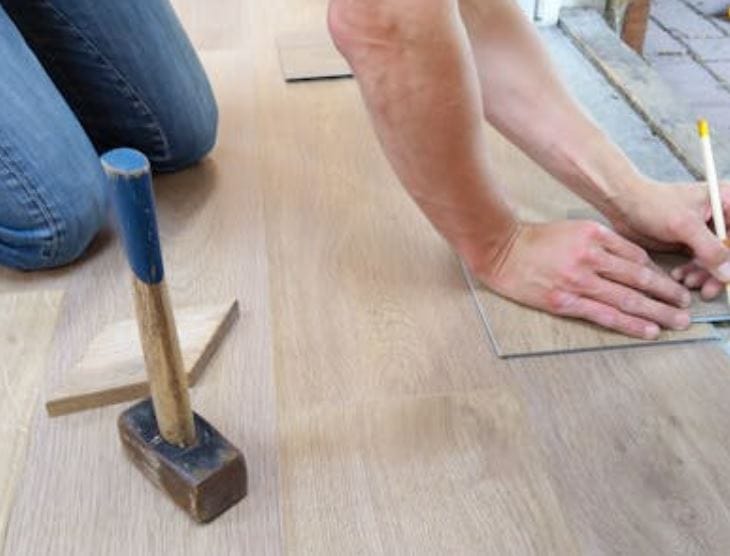
Yes, the vast majority of vinyl plank floors require an acclimation period before installation. While luxury vinyl plank (LVP) is renowned for its durability and water resistance, it is not immune to the effects of temperature and humidity fluctuations. Skipping the acclimation process is one of the most common installation mistakes, often leading to buckling, gapping, and warping that can void manufacturer warranties .
However, the exact requirements vary significantly depending on the specific construction of the plank (SPC vs. WPC vs. traditional flexible core) and the manufacturer’s proprietary formulations. This article provides a detailed breakdown of why acclimation matters, how long it takes, and how modern rigid-core products are changing the rules.
Why Vinyl Plank Floors Need to Acclimate
Vinyl plank flooring is a composite material, typically consisting of a PVC vinyl layer, a printed design layer, a wear layer, and a backing (which may include a rigid core or underlayment). Despite being synthetic, these layers react to thermal expansion and contraction.
When boxes of flooring are transported or stored in warehouses, trucks, or garages, they are exposed to temperatures that differ from the final living environment. If installed immediately, the planks may expand or contract after installation as they adjust to the room’s ambient conditions. This movement can cause the following failures:
- Buckling and Peaking: If the planks expand after being tightly locked together, the excess material has nowhere to go, causing the edges to lift or the center of the floor to buckle .
- Gapping and Separation: Conversely, if planks contract after installation, the seams can open up, creating unsightly gaps and compromising the floor’s water resistance.
- Warping: In extreme cases, especially with glue-down or flexible planks, the material may warp if it is not allowed to stabilize at room temperature .
Acclimation allows the material to reach a state of equilibrium with the room’s temperature and humidity before it is permanently constrained by walls, adhesives, or locking mechanisms.
How Long Does Acclimation Take?
There is no single universal answer, as the required time depends on the product’s core composition and the manufacturer’s specifications. However, the industry standard for most traditional and WPC (Wood Plastic Composite) vinyl planks is 48 hours .
Recommended Acclimation Periods by Product Type
The following table summarizes the general recommendations found across various manufacturer guidelines and industry experts.
Important Note: Always consult the specific installation instructions printed on the box or the manufacturer’s website. Failure to follow the specified acclimation period can void your warranty, regardless of whether you believe the product is “stable enough” .
The Ideal Environmental Conditions for Acclimation
Simply leaving the boxes in the room is not enough; the environment must be controlled. The room where the flooring is acclimating must be fully enclosed and conditioned (HVAC running) to mimic the conditions the floor will experience once occupied.
How to Acclimate Vinyl Plank Flooring (Step-by-Step)
- Prepare the Room: Ensure the installation room is clean, dry, and has functioning HVAC. The subfloor should be at the final grade and ready for installation.
- Bring in the Flooring: Move the unopened boxes into the room at least 48 hours (or the manufacturer’s specified time) prior to installation.
- Position the Boxes: Stack the boxes flat on the floor. If the room is large, distribute the stacks around the room to allow for even temperature exposure. If stacking, keep the piles low (no more than 4-5 boxes high) to prevent crushing the bottom planks .
- Open the Boxes (Optional but Recommended): If you are installing in a cold climate (outside temp below 53°F / 12°C), opening the boxes and spreading the planks out can speed up the acclimation process, allowing the individual planks to breathe .
- Maintain Climate Control: Keep the windows closed. Do not turn off the HVAC system overnight. The temperature must remain consistent both day and night.
- Install Within the Window: Do not let the flooring sit in the room for weeks before installation. Once acclimated, install it promptly. Keep the room at the acclimated temperature during installation and for at least 48-72 hours after installation is complete to allow the adhesive (if used) to cure and the floor to settle .
Do “No-Acclimation” Vinyl Planks Exist?
The short answer is: Technically yes, but with caveats.
The introduction of SPC (Stone Plastic Composite) and high-density Rigid Core flooring has led to marketing claims of “no acclimation needed.” Because these cores are highly dense and filled with limestone powder (in SPC), they have a very low coefficient of thermal expansion compared to traditional flexible vinyl.
However, “no acclimation” rarely means “install it straight off a freezing truck.” Even for SPC products, manufacturers typically mandate that the flooring must be stored in a climate-controlled environment if it has been exposed to extreme temperatures (below 10°C/50°F or above 40°C/104°F) during shipping . Furthermore, for the floor to perform correctly, the room must be at a stable temperature during installation anyway.
Practical Takeaway: Even if your SPC floor claims to skip the 48-hour wait, it is still highly recommended to let the boxes sit in the room for at least 8–12 hours (or overnight). This costs you nothing and ensures the material is at room temperature, making it easier to cut, click, and install without brittleness .
Risks of Skipping Acclimation
| Risk | Consequence | Likelihood |
|---|---|---|
| Buckling | Floor lifts in the center; requires disassembly and reinstallation. | High if installed tight against walls without expansion gaps. |
| Gapping | Seams open up, allowing water to penetrate the core (especially damaging for WPC). | Moderate to High. |
| Warranty Voidance | Manufacturer denies claim for replacement materials or labor. | Certain if instructions were ignored. |
| Locking Mechanism Damage | Installing cold, brittle planks can snap the click-lock tabs during installation. | High in cold weather installs. |
Final Recommendations
For the DIY Installer: Do not rush the process. If you are installing a standard WPC or flexible vinyl plank, give it the full 48 hours. Use this time to prep your subfloor, remove baseboards, and plan your layout. The cost of a 2-day delay is negligible compared to the cost of tearing out and replacing a buckled floor.
For the Professional: Document your acclimation process (photos of the boxes in the room with a thermometer). This protects you if a client later claims the floor failed due to installation error. Always adhere to the specific product data sheet, as brand-specific formulations (like ProCore’s 8-hour rule vs. others’ 48-hour rule) vary widely .
For SPC/Rigid Core Purchases: While you may be able to install sooner, do not install flooring that is cold to the touch. Allow at least 8–12 hours for the material to reach ambient room temperature. This ensures the locking mechanisms are pliable enough for a clean installation and minimizes post-installation movement.