Does Vinegar Kill Strep on Retainer? A Detailed Guide to Evidence-Based Retainer Cleaning
Introduction
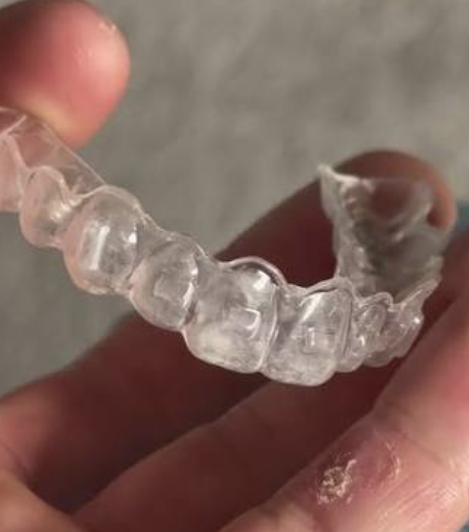
Retainers are essential for maintaining orthodontic results, but their plastic surfaces can harbor harmful bacteria—including Streptococcus species—that may contribute to oral health issues and potential reinfection . A common household question is whether vinegar can effectively eliminate these bacteria. This article examines the scientific evidence regarding vinegar’s antibacterial efficacy against Streptococcus on retainers, comparing it to professional cleaning alternatives.
Understanding the Bacterial Challenge
Streptococcus and Retainer Biofilms
Thermoplastic retainers, particularly those made from copolyester (such as Essix ACE®) and polyurethane (such as Vivera®), provide an ideal surface for bacterial adhesion and biofilm formation . Streptococcus mutans, a cariogenic bacterium, is hydrophobic and adheres readily to thermoplastic surfaces, forming biofilms that can be difficult to remove through simple rinsing .
Research has demonstrated that group A β-hemolytic streptococci (GABHS) can persist on removable orthodontic appliances even after patients complete antibiotic therapy. In one study, GABHS were recovered from 19% of removable orthodontic appliances following 10 days of penicillin treatment, suggesting these appliances may serve as reservoirs for reinfection .
Does Vinegar Kill Streptococcus? The Scientific Evidence
Acetic Acid’s Antibacterial Properties
Vinegar’s primary active component is acetic acid, which has demonstrated antimicrobial properties against various oral bacteria. A 2022 study published in Polymers established the minimum inhibitory concentration (MIC) and minimum bactericidal concentration (MBC) of acetic acid against Streptococcus mutans:
This means that relatively low concentrations of acetic acid—well below the typical 5% concentration found in household white vinegar—can inhibit and kill Streptococcus mutans in laboratory conditions.
In Vivo Evidence: Vinegar and Retainer Cleaning
Clinical research supports vinegar’s effectiveness when used as part of a retainer cleaning regimen. A 2019 study published in the Turkish Journal of Orthodontics evaluated three cleaning methods on clear vacuum-formed retainers:
The results demonstrated that vinegar plus brushing was statistically similar to peroxide-based cleanser tablets in reducing both Streptococcus mutans and Lactobacillus counts on retainer surfaces. Both methods were significantly more effective than brushing alone .
Another study published in the Journal of Orthodontics found that soaking retainers in 50% distilled white vinegar for 15 minutes nightly was as effective as chlorhexidine spray following brushing .
Comparison Table: Antibacterial Efficacy Against Streptococcus
How to Use Vinegar for Retainer Cleaning
Recommended Protocol
Based on available research, the following protocol represents an evidence-informed approach to using vinegar for retainer disinfection:
- Dilution: Mix white vinegar with water at a 1:1 ratio (50% concentration)
- Soaking Duration: Submerge the retainer for 15-20 minutes
- Frequency: Daily or at minimum several times per week
- Post-Soak Cleaning: Remove, brush gently with a soft toothbrush, and rinse thoroughly with lukewarm water
- Critical Warning: Never use hot water—it will warp plastic retainers
What Vinegar Does Not Do
It is important to set appropriate expectations. While vinegar demonstrates bactericidal activity against Streptococcus, research indicates that acetic acid is less effective at removing established biofilm mass compared to chlorhexidine and certain commercial cleansers . In the 2022 Polymers study, confocal laser scanning microscopy revealed that while acetic acid killed bacteria, it did not remove biofilm structure as effectively as chlorhexidine or Polident products .
This distinction matters clinically: killing bacteria is valuable, but leaving biofilm matrix intact may allow rapid recolonization.
Limitations and Considerations
Optimal Concentration Remains Unestablished
A significant gap in the research literature is the absence of an established optimal vinegar concentration specifically for retainer cleaning. As noted in the 2022 Polymers study, “the optimal concentration of vinegar for retainer cleaning has never been established” . While 50% dilution has shown efficacy in clinical studies , further research is needed to determine maximum effectiveness.
Potential Material Effects
Vinegar is acidic, and prolonged or frequent exposure could theoretically affect retainer materials over time. While no studies have documented significant degradation from vinegar use, patients should monitor their retainers for any signs of clouding, crazing, or structural changes.
When Vinegar May Be Insufficient
Vinegar may not be adequate as a sole cleaning method in certain circumstances:
- Active infection: If you have an active strep throat or oral infection, vinegar’s moderate efficacy may be insufficient. Chlorhexidine or professional cleaning is warranted .
- Visible biofilm accumulation: If a retainer has not been cleaned regularly and has visible plaque or film, vinegar alone may not remove established biofilm .
- Persistent odor: Odor indicates bacterial proliferation that may require more aggressive cleaning.
Professional Recommendations and Alternatives
What Orthodontic Organizations Recommend
The American Association of Orthodontists recommends a multi-tiered approach to retainer care:
Daily Care:
- Rinse with lukewarm water after each removal
- Brush with a dedicated toothbrush and dish soap
- Avoid toothpaste (abrasive)
Weekly Deep Cleaning:
- Use retainer cleaning tablets or solution
- Or soak in diluted hydrogen peroxide (1 part hydrogen peroxide to 1 part water) for 15-20 minutes
Notably, vinegar is not explicitly listed in the AAO’s primary recommendations, though it is recognized as a viable natural option in broader orthodontic guidance .
Superior Alternatives for Streptococcus Eradication
For patients specifically concerned about Streptococcus elimination, research supports these options as more effective than vinegar:
Practical Recommendations
For Routine Maintenance
Vinegar is a reasonable, low-cost adjunct for daily retainer hygiene. A 50% white vinegar solution soaked for 15-20 minutes, followed by gentle brushing and thorough rinsing, can help reduce Streptococcus colonization on retainer surfaces .
For Enhanced Disinfection
If you are recovering from a strep throat infection, have a compromised immune system, or are concerned about persistent bacterial reservoirs:
- Consider chlorhexidine: Prescription or professional-use chlorhexidine demonstrates superior biofilm removal
- Use commercial retainer cleansers: Products containing peroxide or other antimicrobial agents offer convenience and proven efficacy
- Replace your retainer if infection recurs: In cases of recurrent GABHS pharyngotonsillitis, discussing retainer replacement with your orthodontist may be warranted, as these appliances can harbor bacteria despite cleaning
Safety Precautions
- Never use hot water with any cleaning method
- Rinse thoroughly after vinegar soaks to remove residual acid and taste
- Avoid bleach on retainers—it can degrade materials and leave harmful residues
- Consult your orthodontist before trying new cleaning protocols, especially if you have known material sensitivities
Conclusion
The evidence indicates that vinegar does kill Streptococcus on retainers, primarily through the action of acetic acid. Minimum bactericidal concentrations against Streptococcus mutans have been established at 0.625%, and clinical studies demonstrate that 50% vinegar soaks reduce bacterial counts comparably to commercial cleanser tablets when combined with brushing .
However, vinegar has limitations. It is less effective than chlorhexidine and certain commercial products at removing established biofilm mass , and its optimal concentration for retainer disinfection remains unestablished. For routine maintenance, vinegar represents a reasonable, accessible option. For enhanced disinfection—particularly following active infection—professional-grade alternatives offer superior performance.
Patients should view vinegar as one tool in a comprehensive retainer hygiene regimen that includes daily rinsing, mechanical cleaning, and periodic deep cleaning with products specifically designed for orthodontic appliances.