Do Snakes Hate the Smell of Bleach? The Science Behind Chemical Repellents
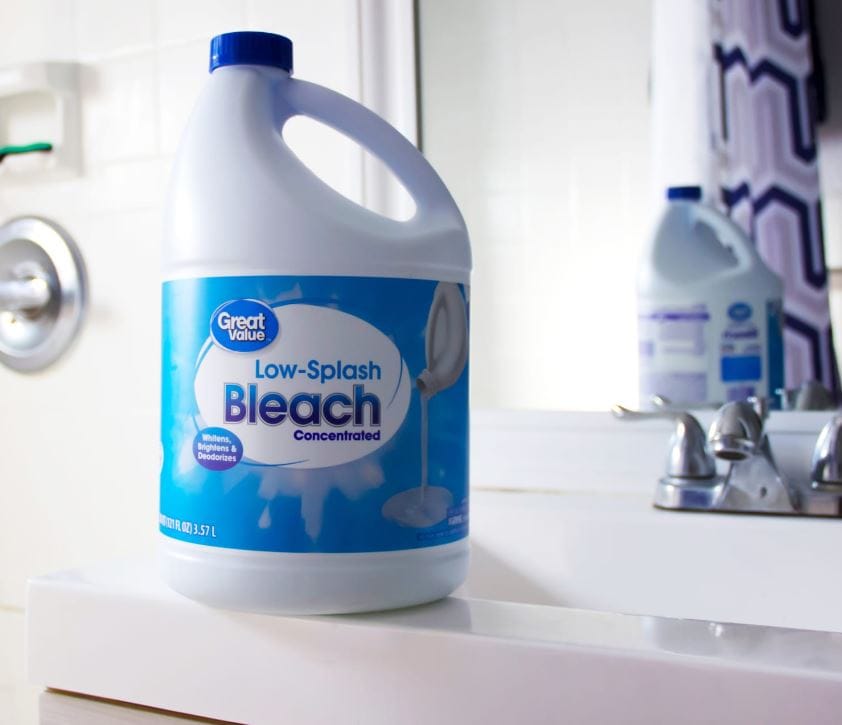
The question of whether snakes hate the smell of bleach is a common one, especially for homeowners and property managers seeking effective deterrents. The short answer is nuanced: while snakes have a highly developed chemical sensory system that may detect and react to the strong, irritating fumes of bleach, the relationship is more accurately described as aversion or irritation rather than innate “fear” . Importantly, scientific evidence and practical experiments indicate that relying on bleach or similar household chemicals as a primary repellent is ineffective and potentially dangerous.
This article explores the science of snake chemoreception, reviews controlled experiments on common repellents, and provides a professional assessment of practical snake management strategies.
The Snake’s Sensory System: A Chemical Detector
To understand how snakes might perceive bleach, we must first understand their sensory biology. Snakes perceive their world largely through chemical cues, a process far more sensitive than human olfaction.
The Primary Mechanism: The Vomeronasal System
Snakes possess a specialized chemosensory organ called the vomeronasal organ (VNO), or Jacobson’s organ, located in the roof of the mouth . When a snake flicks its tongue, it collects airborne and substrate-borne chemical particles and transfers them to the VNO for analysis. This system is critical for detecting prey, predators, and mates . Research on garter snakes has shown that the vomeronasal system is essential for trailing odors and discriminating between biologically significant stimuli .
Main Olfactory System vs. Vomeronasal System
Snakes use two distinct nasal chemical senses:
- Main Olfactory System (MOS): Detects general airborne odors and is critical for initiating tongue-flicking behavior in response to volatile chemicals in the air . This system would likely detect the volatile chlorine compounds released by bleach.
- Accessory Olfactory System (Vomeronasal): Processes non-volatile chemical cues, often those picked up by the tongue from surfaces. This system is more involved in discriminating prey and following trails .
The strong, volatile odor of bleach would be detected by the MOS. In theory, this could trigger an avoidance response. However, the key question is not whether snakes detect bleach, but whether it produces a reliable, long-lasting deterrent effect—and the evidence suggests it does not.
Evidence from Controlled Experiments
Recent, well-documented experiments have tested the efficacy of various strong-smelling substances, including those similar in potency to bleach. These tests provide empirical data on snake responses to chemical irritants.
Fire Department Experiments on Common Repellents
Multiple fire departments have conducted controlled experiments to test the efficacy of popular “folk remedies” for snake repellent. These experiments used common non-venomous snakes like the King Ratsnake (Elaphe carinata) and Corn snakes to observe their reactions to chemical barriers.
The table below summarizes findings from these public experiments :
Key Takeaway: These experiments demonstrate that even substances with intense, pungent odors—often recommended as folk remedies—fail to create a meaningful barrier. Snakes either ignore them or, after a brief moment of hesitation, proceed to cross the treated area . This suggests that a snake’s drive to explore or traverse an area often overrides a temporary aversion to an odor.
Why “Aversion” Does Not Equal “Repellent”
While a snake may find the immediate smell of bleach unpleasant, this reaction is short-lived and context-dependent . For a chemical to be an effective repellent in a real-world setting, it must:
- Maintain its potency over time: Bleach degrades rapidly in the environment, especially when exposed to sunlight and air, losing its pungency.
- Create an impassable barrier: A snake encountering a weak or degraded scent trail will not be deterred. As one firefighter noted, “these items essentially have no effect on snakes… once snakes get used to the smell, or if they have no choice, they won’t be stopped by these powders” .
A Professional Risk-Benefit Analysis of Using Bleach
From a professional standpoint, using bleach as a snake repellent presents significant safety and practical concerns. Its use is strongly discouraged.
| Factor | Assessment | Professional Verdict |
|---|---|---|
| Efficacy | Very low. The odor dissipates rapidly, leaving no lasting barrier. | Ineffective as a deterrent. |
| Human Health Risks | Bleach releases toxic chlorine gas. Inhalation can cause severe respiratory irritation; skin contact causes chemical burns. | Hazardous to humans and pets. |
| Environmental Impact | Runoff can contaminate soil and water, harming beneficial insects, soil microbes, and small animals. | Environmentally Unsafe. |
| Snake Welfare | Causes unnecessary stress and potential harm (chemical burns) without solving the problem. | Inhumane and Unnecessary. |
Conclusion on Bleach: The potential risks and toxicity of using bleach far outweigh any minimal, short-lived deterrent effect. There is no scientific basis for recommending it as a snake control method.
Evidence-Based Strategies for Snake Management
Instead of relying on unproven chemical deterrents, a professional approach to snake management focuses on habitat modification and exclusion. This strategy is proven, safe, and addresses the root causes of snake presence.
1. Habitat Modification (The Most Effective Strategy)
Snakes are typically drawn to an area by two things: food and shelter . Removing these attractants is the most reliable method.
- Eliminate Food Sources: Control rodent populations. Mice and rats are a primary food source for many snakes. Secure trash cans and eliminate standing food sources .
- Remove Shelter: Keep grass mowed short. Remove piles of rocks, wood, and debris. Trim low-hanging branches and overgrown shrubs. Snakes seek out cool, dark, and moist hiding places.
- Seal Entry Points: Inspect foundations, walls, and crawlspaces for cracks or holes larger than 1/4 inch and seal them.
2. Professional and Safe Encounter Protocols
If you encounter a snake, the safest protocol is the “Three No’s” :
- No Approaching: Stop and maintain a distance of at least 2-3 meters.
- No Provoking: Do not poke, throw objects at, or otherwise antagonize the snake.
- No Attempting to Capture/Kill: This is when most bites occur. Untrained individuals should not attempt this.
- Call Professionals: Contact local animal control or the fire department’s non-emergency line to have the snake safely removed .
3. The Role of Commercial Repellents
While some commercial products may cause a temporary stress response, their efficacy in open environments is questionable and often short-lived . They should never be a primary strategy. If used, they must be applied frequently and in high concentrations, which carries its own environmental and health costs.
Conclusion
To directly answer the question: Snakes do not “hate” the smell of bleach in a way that makes it a useful repellent. While the potent chemical odor is likely detected and may cause a momentary avoidance, this is not a reliable, safe, or long-lasting solution. The scientific literature on snake chemoreception, coupled with practical field experiments, consistently demonstrates that strong-smelling household chemicals are ineffective deterrents .
Reliance on such methods can create a false sense of security, potentially leading to dangerous encounters. A safe and professional approach to snake management prioritizes habitat modification to remove food and shelter, proactive sealing of building gaps, and adherence to safe protocols during encounters, ensuring effective and responsible stewardship of your property.