Why Does My Bathroom Smell Like Urine Even After Cleaning? The Definitive Guide to Diagnosing and Eliminating Persistent Odors

The frustration is all too familiar: you’ve scrubbed every surface, bleached the toilet, and mopped the floor, yet a faint (or not-so-faint) smell of urine persists. This isn’t a sign of poor housekeeping; it’s a signal that cleaning products are merely masking the issue. The real problem lies deeper, often invisible to the naked eye. To permanently banish the odor, you must understand the science of urine and the hidden nooks in your bathroom where it can accumulate.
In this comprehensive guide, we will systematically dissect the causes of this stubborn problem and provide a professional, action-oriented plan for eliminating it.
Part I: The Science of the Smell: Why Urine Odor Lingers
Understanding the source is the first step to eradication. Fresh urine has a relatively mild smell, but as it breaks down, it releases volatile compounds that create the characteristic pungent ammonia odor.
The Chemistry of a Lingering Odor
Two primary processes cause this smell, and both are often ignored by standard cleaners:
- The Urea-Hydrolysis Cycle: Urine contains urea. When urine comes into contact with water (in a toilet bowl or from a damp floor), urea hydrolyses and creates ammonia—a gas with a sharp, unmistakable smell.
- Bacterial Decomposition: This is the more persistent culprit. Urine splashes onto floors, grout, and caulking. Bacteria feed on the organic compounds in the urine. As they multiply, they produce smelly waste products that become deeply embedded in porous surfaces. Over time, the urine changes from an acid to an alkaline salt. These salts attract moisture and more bacteria, creating a cycle that amplifies the smell.
The Problem with Masking vs. Neutralizing
Most standard bathroom cleaners are formulated to dissolve soap scum and kill surface bacteria. They might destroy the odor-causing bacteria on the surface, but they cannot break down the uric acid crystals and alkaline salts left behind. These compounds are not water-soluble, meaning they remain lodged in porous materials like grout and caulk. This is why the smell returns shortly after cleaning with a standard product.
Part II: The “Deep Clean” Diagnostic: Identifying the Source
If the smell remains, it’s time to act as a detective. A systematic inspection is required to locate the source.
1. The Toilet and Its Seal
The toilet is often the primary source. If it’s not coming from the bowl, the problem is likely outside of it.
- The Worn Wax Ring: The wax ring, or gasket, seals the base of your toilet to the waste pipe. If it is cracked or broken, it allows sewer gases to seep into your bathroom. This smell is often confused with urine but is more akin to a sulfurous, rotting odor. A foul smell coming from the base of the toilet indicates a failing wax ring that requires a plumber’s attention.
- Hidden Residue: Urine often misses the bowl and drips down the exterior, accumulating at the toilet base and seeping into the floor and grout. Use an enzyme cleaner or a strong disinfectant to thoroughly scrub the entire base and the surrounding floor.
- Toilet Seat Hinges: This is a notorious “microbiome” for urine. Liquid can seep into the bolt holes and hinges. Remove the toilet seat and deep clean these areas with a small brush or cotton swabs dipped in vinegar.
2. Grout, Tile, and Flooring
Grout is highly porous and acts like a sponge for any liquid it contacts. If urine splashes onto the floor regularly, the grout will absorb it and release a chronic odor.
- Micro-Cracks: Even fully sealed grout can be porous if old or poorly applied.
- Action: Deep clean the grout with a baking soda paste and a stiff brush. For severe cases, a steam cleaner can penetrate the pores. After cleaning, apply a high-quality grout sealer to create a protective barrier.
3. The Plumbing System
If the source isn’t obvious on the floor or around the toilet, the problem may be in the pipes.
- Dried-Out P-Trap: The U-shaped bend in every drain (P-trap) holds water to block sewer gases from rising. If a shower or sink hasn’t been used for a long time, the water evaporates, breaking the seal and allowing foul odors into the room. Simply run water down the drain for a few minutes to refill the trap.
- Drain Gunk: Hair, soap scum, and organic debris decompose in drains, producing unpleasant, ammonia-like odors. Run water or flush a toilet after cleaning to check if the smell is coming from the drain itself.
4. The Overlooked Items
- The Toilet Brush: A cheap plastic toilet brush holder traps water and bacteria, fostering a potent odor. If the brush itself smells, it’s time to replace it.
- Bathmats and Fabrics: Towels, bathmats, and shower curtains can absorb micro-splashes of urine. Wash these items weekly in hot water or with a splash of vinegar to neutralize odors.
Part III: A Professional Comparison of Cleaning Solutions
Not all cleaners are created equal. This table compares the standard options and when to use them.
Part IV: The Professional’s 5-Step Action Plan
To eliminate the odor permanently, you must combine the right tools with a strategic, deep-cleaning approach.
- The “Test & Assess” Phase:
- The “Wax Ring” Check:
- The “Deep Clean & Neutralize” Phase:
- Toilet: Apply a high-quality enzyme cleaner under the rim and into the hinges. Let it sit for the time recommended by the manufacturer. Scrub thoroughly.
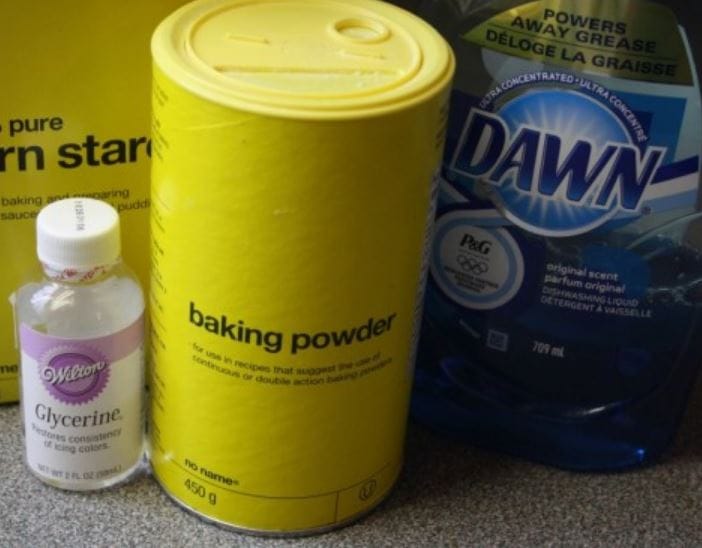
- Grout: Apply a paste of baking soda and water to the grout lines. Scrub with a stiff brush. Follow up by spraying with vinegar to neutralize the smell. Rinse thoroughly and seal when dry.
- The “Ventilation Protocol”:
- The “Maintenance” Strategy:
- Replace bathmats and shower curtains frequently.
- Wash all items in hot water weekly with baking soda or vinegar to prevent odor-causing bacteria from establishing colonies.
Part V: When to Call a Professional
If you have followed all these steps and the smell persists, it is time to consult a specialist.
- Plumber: If you suspect a cracked pipe, a broken wax ring, or a major plumbing issue, a plumber can conduct a camera inspection of your sewer lines to identify root blockages or structural cracks.
- Mold & Remediation Expert: Bacteria like Serratia marcescens can produce a urine-like smell and thrive in damp environments. If the odor is persistent and you see pink slime, professional remediation might be necessary.
A Note on Health Factors
While rare, the source of an ammonia smell might not be the bathroom’s hygiene, but rather a personal health issue. Strong-smelling urine can result from dehydration, certain foods (like asparagus), urinary tract infections (UTIs), kidney issues, or unmanaged diabetes. If your bathroom is spotless and the drains are clean, but the smell follows the urine itself, it is a consideration worth discussing with a medical professional.
By applying the science and strategies outlined in this guide, you can finally solve the mystery of the “phantom urine smell” and create a bathroom that is truly fresh and clean, down to the molecular level.