
Can You Wash Compression Socks in the Washing Machine? A Complete Care Guide
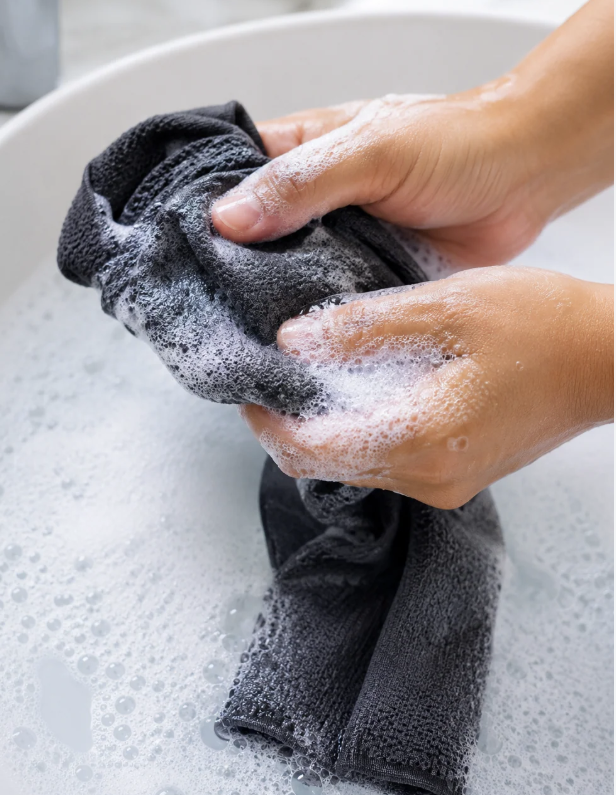
Yes, most compression socks can be washed in a washing machine—but only under specific conditions. The answer is not a simple yes or no; it depends entirely on the manufacturer, the fabric composition, and the washing method used. Washing compression socks incorrectly is one of the fastest ways to destroy their graduated compression profile, rendering them ineffective for circulation support, swelling reduction, or athletic recovery.
This guide synthesizes care instructions from leading compression brands and medical suppliers to provide a definitive, evidence-based protocol for machine washing compression socks without compromising their therapeutic benefit.
The Short Answer: It Depends on the Brand
The compression hosiery market is divided into two camps regarding machine washing. Understanding which category your socks fall into is the first step.
Critical Takeaway: Always check the care label sewn into your specific pair. If the label says “hand wash only,” respect it. If it permits machine washing, the conditions below are non-negotiable.
Why Improper Machine Washing Ruins Compression Socks
Compression socks are engineered with elastane (Spandex) and nylon blends that create a precise pressure gradient—tightest at the ankle and gradually looser toward the calf. Heat, agitation, and harsh chemicals break down these elastic fibers.
Research and manufacturer guidance consistently highlight three enemies of compression garments:
- Heat: Water above 40°C (104°F) and tumble drying on high heat cause elastane fibers to degrade, leading to a permanent loss of compression .
- Fabric Softeners: These coat the fibers, reducing breathability and moisture-wicking properties while potentially damaging the elastic structure .
- Agitation: A vigorous wash cycle can stretch and distort the knit, especially if the socks are not protected in a laundry bag .
The Machine Washing Protocol (For Machine-Safe Socks)
If your manufacturer permits machine washing, follow this step-by-step protocol to maximize the lifespan of your socks.
Step 1: Prepare the Socks
Turn the socks inside out. This protects the outer knit surface from friction and allows detergent to penetrate the fibers that contact your skin, removing body oils and salts more effectively . Place the socks in a mesh laundry bag. This prevents the socks from snagging on zippers or other garments and reduces mechanical agitation .
Step 2: Select the Correct Cycle and Temperature
Use the gentle or delicate cycle with cold or lukewarm water (maximum 40°C / 104°F) . Hot water is the single most common cause of compression loss.
Step 3: Choose the Right Detergent
Use a mild, liquid detergent without additives. Avoid:
- Bleach (chlorine or oxygen-based)
- Fabric softener
- Optical brighteners
- Stain removers with enzymes or solvents
Step 4: Drying—The Most Critical Step
Air drying is universally recommended by nearly every manufacturer, even those that permit machine washing. Lay the socks flat on a towel or drying rack away from direct sunlight and heat sources (radiators, space heaters) .
Exception: CEP and JOBST permit tumble drying on low heat . However, if you want to maximize the lifespan of your investment, air drying remains the safest choice.
Comparison: Hand Washing vs. Machine Washing
| Factor | Hand Washing | Machine Washing (Gentle Cycle) |
|---|---|---|
| Compression Preservation | Best—maximum control over agitation and temperature | Good—if protocol followed; slightly higher risk of wear |
| Convenience | Low—time-consuming, requires manual effort | High—set and forget |
| Cleaning Efficacy | Good for daily refresh; less thorough for heavy soiling | Superior—more thorough removal of oils and bacteria |
| Risk of Damage | Minimal if squeezing (not wringing) | Moderate if bag not used or cycle too aggressive |
| Manufacturer Support | Universally approved | Approved by most major brands, but not all |
Verdict: Machine washing on a gentle cycle with a laundry bag is safe for most modern compression socks and provides a more thorough clean. Hand washing is the conservative choice for extended longevity or for socks with a hand-wash-only label.
How Often Should You Wash Compression Socks?
After every wear. This is not merely a hygiene recommendation—it is a functional one.
CEP Compression explicitly states that washing less often does not extend the life of the socks. In fact, dirt and body oils can negatively affect the compression profile . Sigvaris echoes this, noting that daily washing helps the knit “tighten” and return to its original compression level . JOBST recommends daily or at least every-other-day washing .
Wearing unwashed compression socks allows skin oils and sweat to lodge in the elastic fibers, attracting grit that abrades the knit from within.
Top 5 FAQ: Your Compression Sock Questions Answered
1. Can I put compression socks in the dryer?
Generally, no. Most manufacturers—including medi, Sigvaris, Bauerfeind, and NEENCA—explicitly prohibit tumble drying . High heat degrades elastane. Exceptions exist: CEP and JOBST permit low-heat tumble drying . If you choose to machine dry, use the lowest heat setting possible and remove the socks while slightly damp.
2. What happens if I use fabric softener on compression socks?
Fabric softener coats the fibers with a waxy residue that reduces elasticity and breathability. Over time, this causes the compression to weaken and the fabric to lose its moisture-wicking capability. All major brands explicitly prohibit fabric softener . If you accidentally use it, rewash the socks with a mild detergent to strip the residue.
3. How long do compression socks last with proper machine washing?
With correct care, most compression socks maintain their therapeutic efficacy for approximately 6 months of regular use. Sigvaris guarantees effectiveness for 6 months , and L&R Medical recommends replacement every 6 months . After this period, even with perfect washing, the elastic fibers naturally fatigue. Signs of replacement need include easy rolling down the leg or visibly looser compression at the ankle.
4. Can I wash compression socks with my regular laundry?
It is not recommended. Washing compression socks with heavy items like jeans, towels, or garments with zippers increases the risk of snags and excessive agitation. If you must combine loads, ensure the compression socks are in a zippered mesh bag and the load contains only lightweight, similar-colored items. For best results, wash compression socks separately or with other delicate garments .
5. What should I do if my compression socks accidentally go through a hot wash or dryer cycle?
Do not panic immediately, but inspect carefully. If the socks were exposed to high heat once, they may have sustained partial damage. Check for:
- Shrinkage: Try them on. If they are significantly tighter and shorter, the fibers have likely shrunk irreversibly.
- Loss of gradient: Feel the ankle vs. calf tension. If the ankle no longer feels noticeably tighter than the calf, the compression profile is compromised.
- Warping: Look for twisted seams or a distorted shape.
If any of these signs are present, the socks are no longer providing therapeutic compression and should be replaced. If they appear and feel normal, continue using them with the correct protocol going forward—but avoid repeating the mistake.
Summary
Machine washing compression socks is safe and effective when the manufacturer permits it and the correct protocol is followed: inside-out, in a mesh bag, cold water, gentle cycle, mild detergent, and air drying. This routine removes the body oils that degrade elastic fibers while preserving the precise compression gradient that makes these garments medically and athletically valuable. When in doubt, consult the care label—and when longevity is the priority, hand washing remains the gold standard.