Can You Clean with White Wine Vinegar? A Professional Guide to Efficacy, Application, and Limitations
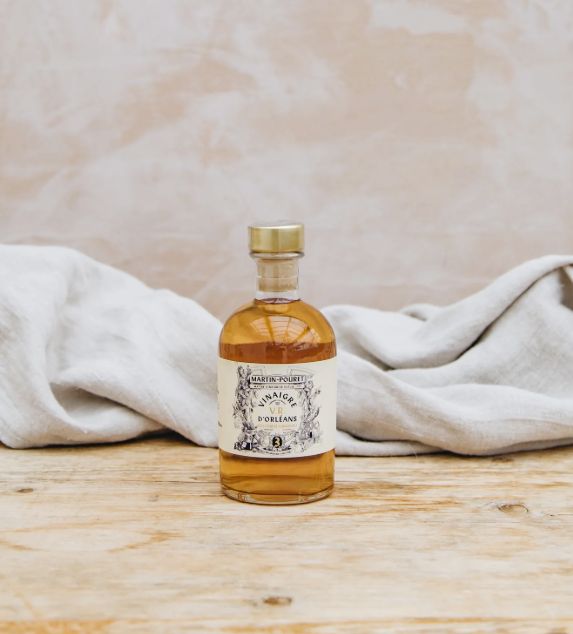
Yes, you can clean with white wine vinegar, but its role in a cleaning arsenal is more nuanced than that of standard distilled white vinegar. While white wine vinegar possesses the same active cleaning agent—acetic acid—it is typically more expensive and less standardized in concentration than its distilled counterpart. For professional and household cleaners alike, understanding when to use white wine vinegar versus distilled white vinegar is essential for both efficacy and economy.
This guide examines the chemical reality of white wine vinegar as a cleaner, provides a comparative analysis against other vinegars, and outlines a structured protocol for its safe and effective use.
The Chemistry of Cleaning: Why Vinegar Works
Vinegar is a dilute aqueous solution of acetic acid. The cleaning power of any vinegar derives from this acidity, which typically ranges between pH 2.4 and 3.4 for household varieties. The acetic acid functions through two primary mechanisms:
- Dissolution of Minerals: The acid reacts with alkaline deposits such as calcium carbonate (limescale) and magnesium hydroxide (soap scum), converting them into soluble salts that can be easily wiped away .
- Antimicrobial Action: The low pH creates an environment hostile to many bacteria and fungi, making vinegar a useful disinfectant for non-porous surfaces .
White wine vinegar shares this chemistry with all vinegars. However, the source material—fermented white wine—introduces variables such as residual sugars, flavor compounds, and a characteristic odor that are absent from pure distilled white vinegar.
White Wine Vinegar vs. Distilled White Vinegar: A Professional Comparison
For cleaning purposes, not all vinegars are created equal. The distinction between white wine vinegar, distilled white vinegar, and “cleaning vinegar” is critical for both performance and safety.
| Feature | White Wine Vinegar | Distilled White Vinegar | Commercial “Cleaning Vinegar” |
|---|---|---|---|
| Acetic Acid Concentration | Typically 5–7% (variable) | Typically 5% (standardized) | Typically 6–7% (higher potency) |
| Source Material | Fermented white wine | Grain alcohol (distilled) | Distilled vinegar (fortified) |
| Food Safety | Food-grade (safe for consumption) | Food-grade (safe for consumption) | Not food-safe (may contain impurities) |
| Relative Cost | Higher (premium product) | Low (commodity pricing) | Moderate |
| Odor Profile | Pungent, wine-like, may linger | Sharp, acetic, dissipates quickly | Strong, acetic, industrial |
| Best Cleaning Application | Light-duty surface wiping, glass, gentle stain removal | General purpose, limescale, disinfection, laundry | Heavy limescale, tough grime, weed control |
Analysis of the Distinctions
Concentration and Predictability: Distilled white vinegar is standardized at approximately 5% acetic acid, providing a predictable cleaning strength . Commercial cleaning vinegars push this to 6–7% for enhanced efficacy on mineral deposits . White wine vinegar’s acidity can vary by brand and production method, introducing an element of uncertainty when precise dilution ratios are required for surface safety.
Cost-Efficiency: From a professional standpoint, using white wine vinegar for routine cleaning tasks is economically inefficient. Distilled white vinegar delivers equivalent or superior cleaning performance at a fraction of the cost. White wine vinegar is best reserved for applications where its specific properties—such as food safety in sensitive areas or a more pleasant scent profile—justify the premium.
Residue and Odor: The organic compounds in white wine vinegar can leave a faint residue on highly polished surfaces if not buffed thoroughly. Its odor, while less harsh than distilled vinegar to some noses, can be more persistent in enclosed spaces.
Appropriate Applications for White Wine Vinegar
Despite the economic argument for distilled vinegar, white wine vinegar is a legitimate cleaning agent in specific contexts.
1. Food-Contact Surfaces and Refrigerators
Because white wine vinegar is food-grade, it is a suitable choice for cleaning areas where chemical residue is a concern. A 1:1 dilution with water can be used to wipe down refrigerator shelves, cutting boards, and countertops, provided the surface is not natural stone . The acetic acid helps eliminate odors and provides a basic level of sanitization without the risk associated with non-food-safe cleaning vinegars.
2. Glass and Mirrors
A solution of equal parts white wine vinegar and water, applied via a spray bottle and buffed with a lint-free cloth, effectively removes streaks and light mineral films from glass and mirrors . The key is to spray the cloth rather than the surface to control application and prevent drips into frames.
3. Light Limescale and Appliance Maintenance
White wine vinegar can descale kettles, coffee machines, and showerheads. The standard protocol is to dilute with an equal volume of water, soak the affected component for 30 minutes to several hours depending on buildup severity, then rinse thoroughly . For heavily scaled fixtures, a higher-concentration distilled or cleaning vinegar is more efficient.
4. Gentle Stain Removal in Laundry
Adding a capful of white wine vinegar to a laundry cycle can help brighten colors and break down mild stains, particularly those of organic origin. However, for stubborn grass or wine stains, direct application of a paste made with vinegar and a small amount of liquid detergent is more effective .
Critical Limitations and Surfaces to Avoid
The acidic nature of white wine vinegar, like all vinegars, renders it incompatible with certain materials. Using it on these surfaces will cause damage ranging from cosmetic etching to structural degradation.
Safety Note: Never mix white wine vinegar (or any vinegar) with chlorine bleach. The reaction produces chlorine gas, a serious respiratory hazard . Always ensure adequate ventilation when cleaning with vinegar solutions, as acetic acid fumes can irritate the respiratory system .
Formulating a Cleaning Solution: Ratios and Best Practices
For most routine cleaning with white wine vinegar, dilution is necessary to balance efficacy with surface safety.
Odor Mitigation: To reduce the vinegar scent during and after cleaning, infuse the vinegar with citrus peels (steep peels in vinegar for 1–2 weeks, then strain) or add 10–20 drops of essential oil per cup of solution . The odor dissipates as the surface dries, typically within 15 minutes to 2 hours with proper ventilation.
Conclusion: A Conditional Yes with Clear Parameters
White wine vinegar is a capable cleaner, but it is not the optimal choice for every task. Its food-grade status makes it a sensible option for refrigerators and food-contact surfaces, and it performs admirably on glass and light limescale. However, for routine disinfection, heavy mineral removal, and high-volume cleaning, distilled white vinegar and commercial cleaning vinegar offer superior cost-efficiency and predictable potency.
The professional recommendation is to maintain both: distilled white vinegar as the workhorse for general cleaning, and white wine vinegar—if already on hand—for applications where its food safety or gentler odor profile is advantageous. Regardless of the vinegar selected, adherence to dilution protocols and strict avoidance of acid-sensitive materials is non-negotiable for safe and effective cleaning outcomes.