Will Vinegar Kill Nutsedge? An In-Depth Analysis
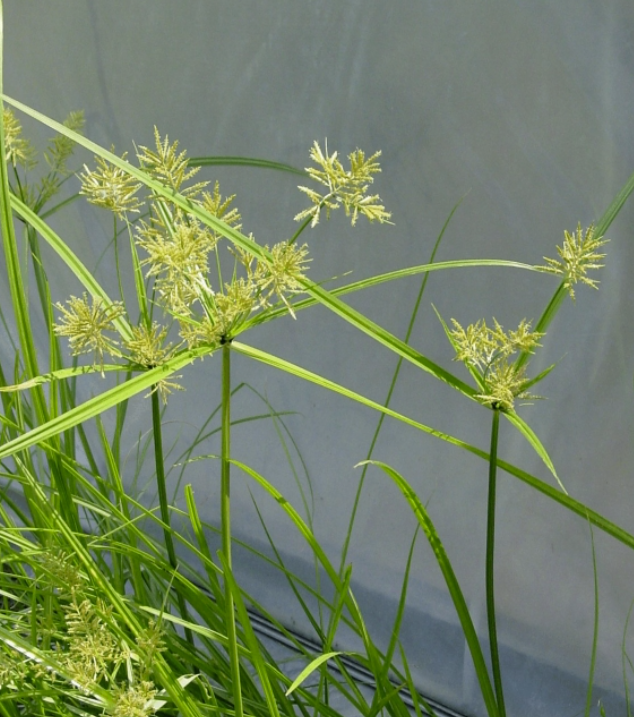
Short Answer: Vinegar can kill the above-ground foliage of nutsedge, but it will not eliminate the plant. Because nutsedge propagates through underground tubers (often called “nutlets”), vinegar—a contact herbicide—cannot reach the root system. The plant will typically regrow within weeks. For complete control, you must address the underground tubers using mechanical removal or systemic herbicides.
If you are dealing with a persistent nutsedge infestation, you have likely encountered conflicting advice about using household products. While vinegar is a popular DIY solution for many weeds, its effectiveness is limited when applied to rhizomatous and tuberous plants like nutsedge.
This article provides a detailed breakdown of how vinegar interacts with nutsedge, the scientific limitations of acetic acid as a contact herbicide, and a comparative look at the methods that actually work.
Understanding the Enemy: Why Nutsedge is Different
Before applying any treatment, it is critical to understand the biology of the target weed. Nutsedge (Cyperus spp.) is not a grass or a broadleaf weed; it is a sedge. It is considered one of the world’s worst weeds because of its aggressive reproductive strategies.
Unlike dandelions or crabgrass, which rely primarily on seeds, nutsedge primarily spreads via underground tubers. These tubers act as energy storage units. When you kill the top of the plant with a contact spray, the tubers remain viable in the soil and simply send up new shoots. In fact, disturbing the plant or killing its top growth can sometimes stimulate the tubers to sprout.
Key Characteristics:
- Yellow Nutsedge (Cyperus esculentus): Prefers cooler climates but tolerates frost; produces single tubers at the end of rhizomes.
- Purple Nutsedge (Cyperus rotundus): Thrives in warm climates; produces chains of multiple tubers along underground rhizomes.
How Vinegar Works as an Herbicide
Vinegar is essentially a solution of water and acetic acid. As an herbicide, acetic acid functions as a contact desiccant. When sprayed on foliage, it destroys cell membranes, causing the plant tissue to dry out and die rapidly .
The Critical Limitation: Vinegar is non-systemic. It does not translocate or move through the plant. It kills only the tissue it physically touches. While this works well for annual weeds with shallow root systems, it fails against deep-rooted perennials like nutsedge .
The Verdict: Efficacy of Vinegar on Nutsedge
Research from agricultural extensions and universities consistently indicates that while vinegar can burn back nutsedge foliage, it provides poor long-term control.
Contact vs. Systemic Action
Because vinegar cannot travel to the tubers, the root system remains intact. The Cooperative Extension Foundation notes that weeds with extensive or pervasive roots, such as yellow nutsedge, cannot be treated effectively with contact herbicides . Several sources confirm that vinegar is largely ineffective on weeds with underground tubers and rhizomes .
Concentration Matters (But Not Enough)
Household vinegar contains only 5% acetic acid. This concentration is often insufficient to kill even the top growth of mature nutsedge. Even “horticultural vinegar” (20% acetic acid) only burns the foliage. While the top might die, the plant will regenerate from the tubers .
The Risk of “Activating” the Weed
There is a significant risk when using vinegar on nutsedge. Pulling or disturbing the plant can stimulate the tubers to multiply. If vinegar kills only the top foliage, the underground nutlets may remain dormant or, worse, be stimulated to produce multiple new shoots, potentially worsening the infestation .
Comparison of Nutsedge Control Methods
The table below compares the effectiveness of various methods based on how they interact with the plant’s root system.
Note: Herbicide results depend on proper application timing and concentration. Always follow label instructions.
Effective Strategies for Managing Nutsedge
Since vinegar is not a viable standalone solution, you should focus on methods that target the underground tubers.
1. Hand Digging (For Small Infestations)
Digging is the most effective organic method, but it requires precision. You cannot simply pull the weed. You must use a trowel or weeder to dig at least 10 inches deep and 8 to 10 inches beyond the visible plant to ensure you capture the tubers and rhizomes . If you break the roots, the remaining tubers will sprout.
2. Systemic Herbicides (For Lawns)
In lawns, selective herbicides are the most reliable option. Products containing halosulfuron (e.g., SedgeHammer) or sulfentrazone (e.g., Ortho Nutsedge Killer) are specifically designed to control sedges without killing the surrounding grass .
- Timing: Apply in late spring or early summer when the plants are actively growing and before they reach 5-6 leaves (which is when they begin producing new tubers) .
- Persistence: Multiple applications over one to two years are usually necessary.
3. Cultural Controls (Prevention)
Nutsedge thrives in wet, poorly drained, and compacted soils .
- Aeration: Core aerating your lawn reduces compaction and improves drainage, making the environment less hospitable to nutsedge .
- Mowing: Mow at the proper height for your grass species to maintain a dense turf that can outcompete the weed .
Safety and Application Considerations
If you choose to experiment with 20% horticultural vinegar as a spot treatment for small, young patches, you must take extreme precautions:
- Safety Gear: 20% acetic acid can cause severe burns to skin and eyes. Wear chemical-resistant gloves and goggles .
- Non-Selective Nature: Vinegar is non-selective. It will kill or damage any plant it touches, including your lawn and desirable garden plants. It also lowers soil pH in the application area .
- Application: Apply on a sunny, dry day (above 70°F) with no wind to prevent drift. Adding a few drops of liquid dish soap may help the solution stick to the waxy leaves of the sedge .
Conclusion
Vinegar will not kill nutsedge. While it can provide a temporary visual “burn” of the leaves, it is physiologically incapable of destroying the underground tubers that drive the plant’s life cycle. Relying on vinegar will likely result in a frustrating cycle of regrowth.
For successful eradication, you must use methods that target the root system: meticulous hand-digging for small patches or targeted systemic herbicides (like halosulfuron or sulfentrazone) for larger lawn infestations.