Are Tapcon Screws Rust Proof? A Comprehensive Technical Analysis
When specifying fasteners for concrete and masonry applications, corrosion resistance is often a primary concern. Tapcon screws, the ubiquitous blue screws found on construction sites, are a popular choice for anchoring into concrete, brick, and block. But a common question persists: are they truly rust proof?
The straightforward technical answer is no. Standard Tapcon screws are not rust proof. They are manufactured from carbon steel and are therefore susceptible to corrosion. However, the brand’s signature blue coating provides a critical layer of protection that offers significant rust resistance in many applications. Understanding the nuance between “rust proof” and “rust resistant” is essential for proper specification and long-term project durability.
What Are Tapcon Screws?
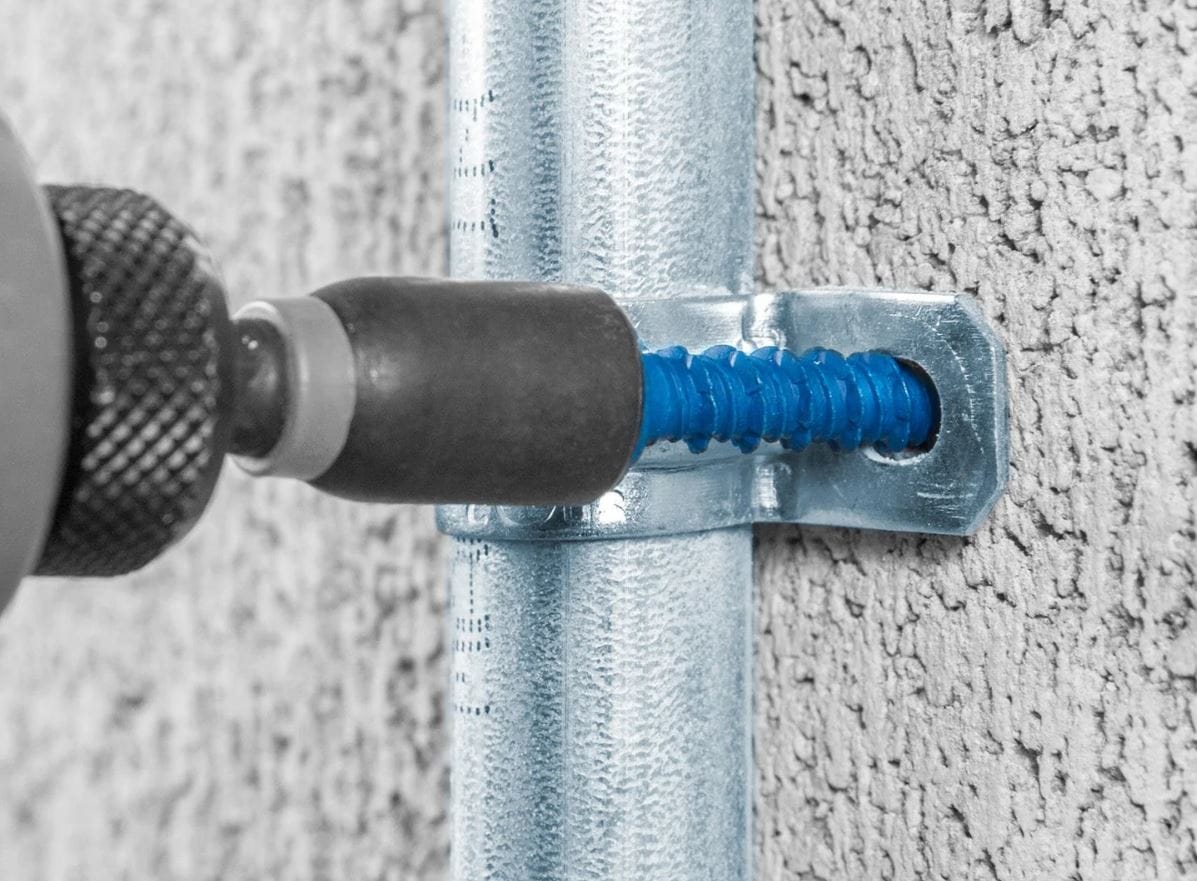
Tapcon is the leading brand name for a concrete screw, also known as a masonry screw or self-tapping concrete anchor. These screws feature a specialized high-low thread design that allows them to tap threads directly into a pre-drilled hole in concrete, brick, or block without needing a separate anchor or plug.
The unique geometry—with alternating high and low threads—cuts into the base material, providing strong holding power and resistance to pull-out and vibration.
Material Composition and Base Vulnerability
The fundamental limitation regarding corrosion lies in the base material of most standard Tapcon screws:
Carbon Steel (Grade 1022a)
- Composition: Primarily iron with a carbon content of approximately 0.22%. This provides excellent tensile and pressure strength, making it suitable for heavy-duty anchoring.
- Corrosion Susceptibility: Iron is inherently reactive. When exposed to moisture and oxygen, it undergoes an oxidation process that results in rust (iron oxide). Without a protective barrier, carbon steel will corrode.
The base metal is the source of the vulnerability, which is why no standard carbon-steel fastener can be considered “rust proof.”
The Protective Mechanism: Coatings
To mitigate the inherent vulnerability of carbon steel, Tapcon screws are coated. The distinctive blue color is not merely aesthetic—it is a functional coating designed to provide a protective layer between the steel and corrosive environmental elements.
This coating serves the crucial purpose of offering:
- Corrosion resistance: It acts as a barrier to moisture and oxygen, slowing down the oxidation process.
- Lubrication: The coating aids in the driving process, reducing friction during installation and preventing galling (the cold welding of threads) in the base material.
Additional finishes, such as zinc plating (white or yellow), are also available on the market. Zinc plating offers galvanic protection—when the zinc coating is scratched, it sacrifices itself to protect the underlying steel from rusting.
Coating Types and Corrosion Resistance
The level of protection varies significantly based on the type of coating applied to the carbon steel base. The table below compares the corrosion resistance of the most common surface treatments for concrete screws.
Note on stainless steel: While not a standard product in the typical “Tapcon” line, specifying a stainless steel masonry screw is the only way to achieve a true “rust proof” fastener in highly corrosive environments.
A Professional’s Perspective: Risk and Mitigation
From a professional engineering and construction standpoint, the question is less about whether Tapcons are “rust proof” and more about whether they are fit for the service environment.
Risk Factors:
- Moisture: Persistent water exposure, such as wet basements or exterior walls lacking proper flashing, accelerates corrosion, penetrating the blue coating over time.
- Chemical Exposure: Contact with de-icing salts, pool chemicals, or industrial acids will quickly degrade the carbon steel substrate.
- Galvanic Corrosion: If Tapcons are used to fasten dissimilar metals (like copper or aluminum), they may be at risk for galvanic action, where the less noble metal (the steel) corrodes preferentially.
- Coating Damage: As the screw is driven through the masonry, the high-low thread can scrape the coating off at the point of contact with the aggregate, creating a potential starting point for localized rust.
Mitigation Strategies:
- Proper Specification: Use standard Tapcons for interior applications or dry exterior applications.
- Stainless Steel Alternative: For projects involving pressure-treated wood (which contains corrosive copper salts), coastal areas, or wet environments, spec out stainless steel masonry anchors. While more expensive upfront, they eliminate the lifecycle cost of corrosion repairs.
- Sealants: Where applicable, use a high-quality exterior sealant to protect the screw head from moisture intrusion.
- Manufacturer Data: Always consult the manufacturer’s technical data sheets for specific ICC-ES (International Code Council Evaluation Service) reports, which provide specific guidance on environmental limitations.
Conclusion
In summary, standard blue Tapcon screws are not rust proof. They are high-strength carbon steel fasteners featuring a protective coating that provides significant rust resistance for many interior and limited exterior applications. However, this coating is a barrier, not an impenetrable shield. For projects where moisture, chemicals, or salt are a constant presence, the coating will eventually fail, leading to rust.
For installations requiring absolute, long-term protection against corrosion, engineers and contractors must look beyond the standard blue fastener and invest in stainless steel masonry screws. Choosing the correct material is not merely a matter of cost but of ensuring the structural integrity and longevity of the anchorage system.