How to clean water stains from headliner?
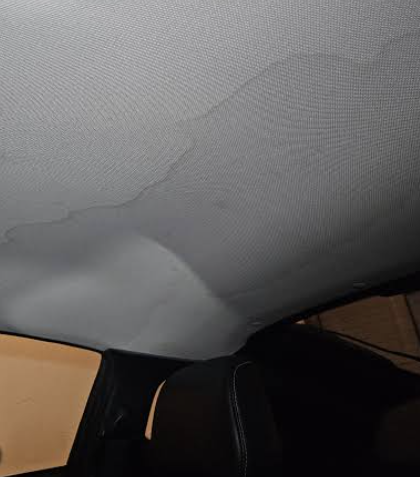
Water stains on a car headliner are more than a cosmetic nuisance; they are a warning sign. The stain itself is typically a “tide mark” of minerals and dirt left behind as moisture evaporates, but the real issue is the moisture source—usually a clogged sunroof drain or a failing seal. Because the headliner is a delicate layered system of fabric, foam, and heat-sensitive adhesive, standard cleaning methods like soaking or scrubbing can cause permanent sagging. The following guide provides a professional, structural approach to removing the stain without destroying the headliner, followed by a comparison of methods and answers to the most common questions.
Understanding the Headliner Construction (Why Technique Matters)
Before applying any liquid, it is critical to understand what you are cleaning. A headliner is not a simple piece of cloth. It consists of a visible fabric layer bonded to a thin foam backing, which is adhered to a rigid fiberboard or plastic panel using a heat-sensitive adhesive.
The primary vulnerability is moisture. If you saturate the fabric, water penetrates the foam and weakens the adhesive bond. Once that bond fails, the fabric separates from the backing, causing sagging that no cleaning product can reverse. Therefore, the golden rule of headliner cleaning is minimal moisture and zero aggressive scrubbing.
Step-by-Step Professional Removal Protocol
This method follows the low-moisture logic recommended by professional detailers and technical service bulletins.
Step 1: Identify and Fix the Source
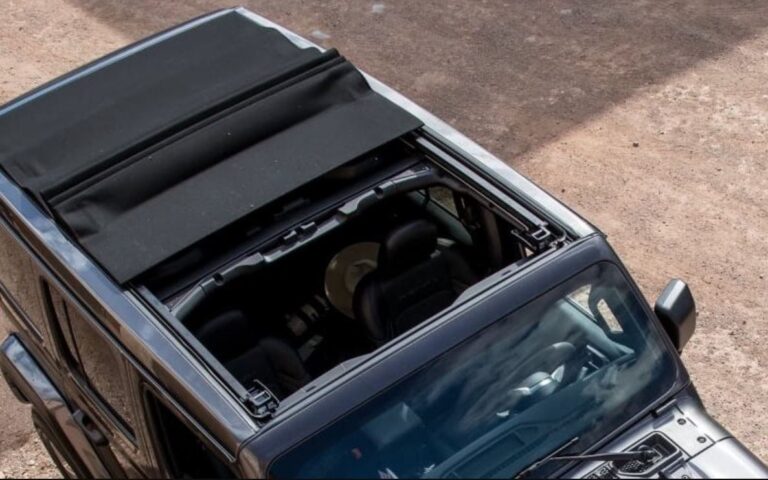
Do not clean the stain until you have confirmed the leak is repaired. If you clean a water stain while the leak is active, the stain will return immediately. Common culprits include clogged sunroof drains (the most frequent cause), deteriorated windshield seals, or loose roof rack mounts.
Step 2: Dry Vacuum Preparation
Use a vacuum with a soft brush attachment on a low-suction setting. Remove all loose dust and debris. Do not use a stiff brush, as it can fuzz the fabric surface.
Step 3: Select the Correct Chemistry
Avoid harsh alkaline all-purpose cleaners or laundry detergents, as they can leave sticky residues that attract future dirt or damage the fabric fibers. The preferred choices are:
- Dedicated automotive upholstery cleaner (foaming or low-moisture type).
- Mild soap and water solution (per manufacturer guidelines, such as Ford’s recommendation for mild soap).
- Distilled water (if you live in a hard water area, tap water can leave new mineral deposits).
Step 4: The “Outer-to-Inner” Blotting Technique
- Apply the cleaner to a clean white microfiber towel, not directly onto the headliner. This controls moisture.
- Dab the stain starting from the outer edge and work inward toward the center. This prevents the stain from spreading and creating a larger ring.
- Do not scrub in circles. Use a gentle blotting or dabbing motion.
- Immediately follow with a dry towel to wick away moisture before it can soak into the foam.
Step 5: Controlled Drying
Direct a fan at the cleaned area and leave the doors open to circulate air. Do not use high heat (like a heat gun or hair dryer on hot), as heat can degrade the adhesive.
Comparison of Cleaning Methods
Not all methods are safe for every situation. The table below compares the efficacy and risk of common approaches.
Prevention and When to Seek Professional Help
The most effective way to manage headliner water stains is prevention. Regularly inspect and clear sunroof drains (using flexible trimmer line or compressed air carefully). Keep the interior dry and avoid leaving windows open in dusty environments.
If the stain is accompanied by a persistent musty odor or visible sagging, the damage has penetrated the foam layer. Surface cleaning will not fix this. In these cases, a professional detailer may use specialized extraction tools, or an upholstery shop may need to replace the headliner fabric entirely.
Frequently Asked Questions (FAQ)
1. Can I use a wet vacuum or carpet extractor on my headliner?
No, this is highly risky. Carpet extractors inject water and then suck it out. While they work well on floor carpets, the headliner’s adhesive is not designed to withstand that level of moisture. The water will likely penetrate the foam backing before the vacuum can retrieve it, leading to adhesive failure and sagging. Stick to manual blotting with towels.
2. The water stain looks like a brown ring. Why is it brown?
The brown color is typically caused by the minerals and dissolved dirt that were in the water. As the water evaporates from the surface, it leaves these contaminants behind at the edges of the wet area, creating a “tide mark.” It can also indicate that the water has been sitting long enough to begin degrading the foam or adhesive layer underneath.
3. Will vinegar or baking soda damage my headliner?
When used correctly and sparingly, they are generally safe for most fabrics. However, vinegar is acidic and can weaken fibers over time if not rinsed, and baking soda requires thorough vacuuming to remove all residue. Neither should be used as a first resort if a proper automotive fabric cleaner is available. Always test in an inconspicuous area first.
4. How do I know if the stain is from a leak or just condensation?
Condensation stains are usually uniform and light. Leak stains are often localized, have a distinct dark ring (tide mark), and may be accompanied by a damp feeling on the pillar trim or carpet. If the stain reappears after cleaning without any obvious spill, you almost certainly have an active leak that needs repair before cleaning again.
5. Is it cheaper to clean it myself or pay a professional?
DIY is significantly cheaper in terms of materials (a bottle of specialized cleaner costs $10–$20). However, the risk of causing permanent sagging is real. Professional headliner cleaning add-ons typically range from $20 for spot cleaning to $65–$75 for a full headliner service, which includes the expertise to avoid moisture damage and the equipment to dry it properly. If the stain is large or the headliner is already slightly loose, professional service is the safer economic choice.