Do Clorox Wipes Kill Giardia? A Detailed Scientific and Practical Analysis
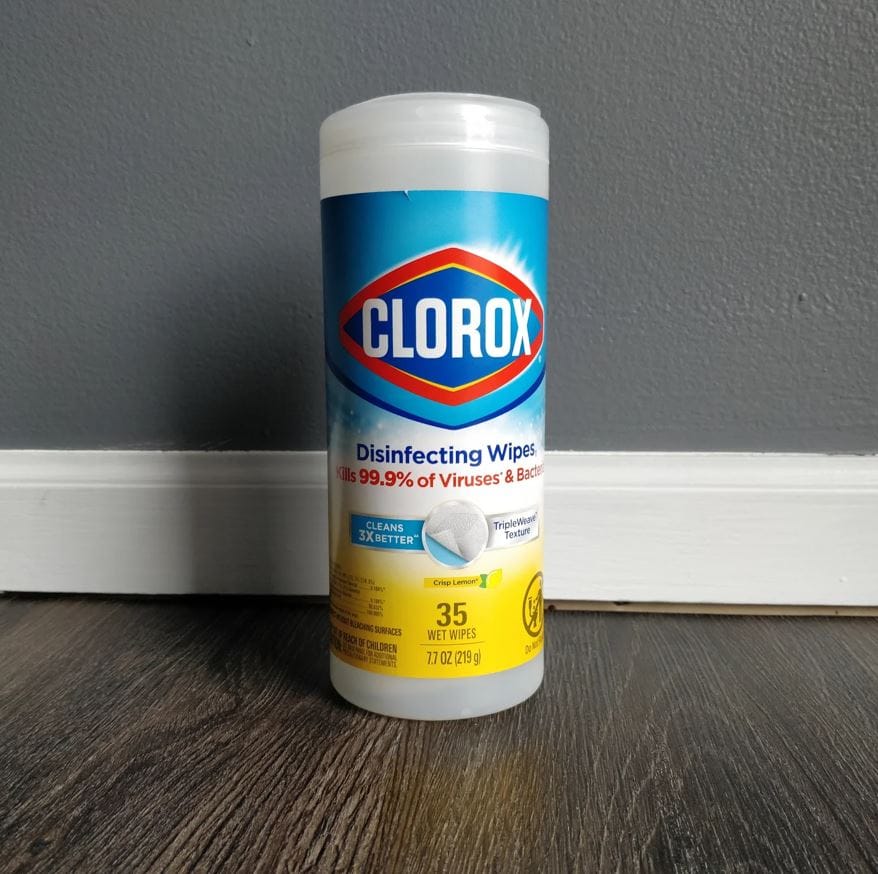
Bottom line: Standard Clorox Disinfecting Wipes are not formulated or labeled to kill Giardia lamblia cysts on hard surfaces. While chlorine bleach in liquid form can inactivate Giardia under specific, rigorous laboratory conditions, the concentration and contact time of a pre-moistened wipe are insufficient for this resistant protozoan parasite. For Giardia decontamination, public health agencies recommend a two-step process: thorough cleaning followed by a disinfectant proven effective against protozoan cysts (such as a freshly prepared bleach solution at a specific concentration or an EPA-registered product with a Giardia claim).
Understanding the Organism: Why Giardia Is Different
Giardia lamblia (also known as Giardia intestinalis or Giardia duodenalis) is a protozoan parasite that causes giardiasis, a diarrheal illness. The infectious form is the cyst—a hardy, thick-walled structure excreted in the feces of infected humans and animals. These cysts are environmentally resilient and are among the most chlorine-tolerant pathogens known to public health officials .
The U.S. Environmental Protection Agency (EPA) notes that Giardia cysts are “among the most resistant pathogens known” and that disinfection with chlorine is effective only “under rigorous conditions” of concentration, contact time, temperature, and pH . This resistance is the critical distinction between Giardia and the bacteria and viruses that typical household disinfecting wipes are designed to eliminate.

Clorox Disinfecting Wipes: What They Actually Kill
Clorox Disinfecting Wipes are EPA-registered disinfectants. Their kill claims are specific and testable. According to CloroxPro product data, the wipes eliminate 99.9% of bacteria in 10 seconds and most viruses in as little as 15 seconds, with a 4-minute contact time for many bacterial pathogens .
The table below summarizes the organisms listed on standard Clorox Disinfecting Wipes labels:
Critical finding: Giardia lamblia does not appear on the EPA-registered kill list for Clorox Disinfecting Wipes. A product cannot legally claim to kill an organism unless it has been tested and registered for that specific claim with the EPA. Therefore, using Clorox wipes against Giardia is an off-label use with no guarantee of efficacy.
The Chlorine Paradox: Why “Bleach” Doesn’t Automatically Mean “Kills Giardia“
It is true that liquid sodium hypochlorite (household bleach) can inactivate Giardia cysts. However, the conditions required are far more demanding than wiping a surface with a pre-moistened wipe.
EPA Data on Chlorine and Giardia Inactivation
EPA guidance for water treatment provides C·t values (Concentration × time) for 99% inactivation of Giardia lamblia cysts by free chlorine. Representative data are shown below :
| Temperature | pH | Free Chlorine Concentration | Required Contact Time (for 99% inactivation) |
|---|---|---|---|
| 5°C (41°F) | 6 | 6 mg/L | ~47–84 minutes |
| 5°C (41°F) | 7 | 6 mg/L | ~56–152 minutes |
| 15°C (59°F) | 6 | 2.5–3.0 mg/L | ~18–21 minutes |
| 25°C (77°F) | 7 | 1.5 mg/L | <10 minutes |
Even at warm room temperature (25°C), achieving 99% inactivation requires a free chlorine concentration of approximately 1.5 mg/L maintained for several minutes in a clean, pH-controlled aqueous solution.
Why Wipes Fall Short
Clorox wipes contain a disinfectant solution, but the actual free chlorine concentration on a wiped surface is uncontrolled and generally far lower than what is needed for Giardia inactivation. More importantly:
- Contact time is inadequate: Wipes are designed for a 4-minute contact time for bacteria, but Giardia cysts require substantially longer exposure to chlorine under ideal conditions.
- Organic matter interference: Giardia is transmitted via feces. Any residual organic material on a surface consumes chlorine rapidly, further reducing available disinfectant .
- Surface drying: Wipes do not keep surfaces visibly wet for the extended periods required; they dry quickly, halting the inactivation process.
A veterinary-grade product that does carry a Giardia claim (ViPiBax Giardien Ex) explicitly requires a 5-minute contact time for Giardia and uses a formulated active chlorine concentration of 0.25% (2,500 mg/L) in spray form—far higher than what a typical wipe delivers . This illustrates the gap between a general-purpose wipe and a product specifically designed for Giardia.
What Public Health Agencies Actually Recommend for Giardia Decontamination
The Centers for Disease Control and Prevention (CDC) provides clear guidance for cleaning and disinfecting spaces where a person or pet with giardiasis has had diarrhea. The process is not a single-step wipe-down :
Step 1: Cleaning (Physical Removal)
- Remove all visible fecal matter with paper towels or absorbent material. Place in a plastic bag, seal, and discard.
- Clean the area thoroughly with soap or detergent and water.
- Rinse thoroughly until no visible traces remain.
- Allow the area to fully dry.
Step 2: Disinfection (Chemical Inactivation)
After cleaning, apply a disinfectant appropriate for the surface. The CDC does not name a specific brand but directs users to follow product label instructions. State health department guidance (e.g., Louisiana Department of Health) is more specific and recommends one of the following for hard, non-porous surfaces :
| Disinfectant Option | Preparation/Concentration | Contact Time |
|---|---|---|
| Bleach solution | ¾ cup household bleach (approx. 5.25% sodium hypochlorite) per 1 gallon of water | Follow label; keep surface wet |
| Quaternary ammonium compounds (QATs) | As directed on product label | As directed on label |
For items that can withstand heat, the CDC recommends boiling completely submerged for at least 1 minute, or using a dishwasher with a sanitizing cycle (final rinse ≥ 162°F for 1 minute) . Laundry should be washed and then dried on the highest heat setting for 30 minutes.
Important: The ¾-cup-per-gallon bleach solution is substantially stronger than what is present in a Clorox wipe and is applied as a liquid that can saturate the surface and maintain contact.
Comparison: Clorox Wipes vs. Giardia-Effective Methods
| Method | Giardia Efficacy | Mechanism | Practical Considerations |
|---|---|---|---|
| Clorox Disinfecting Wipes | Not labeled; insufficient | Low-concentration chlorine/other actives; short contact | Convenient for routine bacteria/virus control; do not rely on for Giardia |
| Bleach solution (¾ cup/gallon) | Effective when used after cleaning | High-concentration free chlorine; extended wet contact | Requires preparation; corrosive to some materials; must be used fresh |
| EPA-registered Giardia disinfectant | Effective per label | Formulated for protozoan cysts; validated contact time | Read label carefully; may require 5+ minutes wet contact |
| Steam cleaning (158°F for 5 min or 212°F for 1 min) | Effective for porous surfaces | Thermal inactivation | Suitable for carpets, upholstery; not for all materials |
| Boiling (1 minute) | Effective for small items | Thermal inactivation | For toys, bowls, dishwasher-safe items |
Frequently Asked Questions (FAQs)
1. Can I use Clorox wipes if someone in my home has giardiasis?
No, not as a primary defense against Giardia. Clorox wipes are not labeled to kill Giardia cysts. If a household member or pet has giardiasis, follow CDC guidance: clean surfaces with soap and water first, then disinfect with a freshly prepared bleach solution (¾ cup per gallon of water) or an EPA-registered product with a specific Giardia claim. Reserve Clorox wipes for routine hygiene of surfaces not implicated in fecal contamination.
2. Does bleach kill Giardia on surfaces?
Yes, but only under specific conditions. Liquid sodium hypochlorite at sufficient concentration and contact time inactivates Giardia cysts. The key requirements are: (1) the surface must be cleaned first to remove organic matter that consumes chlorine; (2) the bleach solution must be at an effective concentration (e.g., ¾ cup per gallon); and (3) the surface must remain wet for the required contact time. A quick wipe with a bleach-containing wipe does not meet these criteria .
3. What about Clorox Healthcare or CloroxPro wipes—are they different?
Some professional Clorox products carry broader EPA-registered kill claims than retail wipes. To determine if a specific product kills Giardia, read the label’s “Kill Claims” section. A product may only claim to kill an organism if it has been tested and registered for that claim. If Giardia lamblia is not listed, the product is not validated for that use. No standard Clorox Disinfecting Wipe product reviewed in this analysis lists Giardia as a target organism .
4. How long does Giardia survive on surfaces?
Giardia cysts can survive on hard surfaces and porous materials for days to weeks, particularly in cool, moist conditions . This is why thorough decontamination is necessary after a diarrheal incident. The cysts are immediately infectious when passed in feces, so surfaces contaminated with stool from an infected person or animal should be considered infectious until properly cleaned and disinfected.
5. What should I use instead of Clorox wipes for Giardia?
For hard, non-porous surfaces: Clean with soap and water, rinse, dry, then apply a bleach solution (¾ cup per gallon) or a QAT disinfectant per label instructions. For porous items (carpets, upholstery): clean thoroughly, then steam clean at 158°F for 5 minutes or 212°F for 1 minute. For toys and pet bowls: dishwasher with a sanitizing cycle or boil for 1 minute. For laundry: wash and dry on highest heat for 30 minutes. Always prioritize handwashing with soap and water as the primary prevention measure, as Giardia is transmitted via the fecal-oral route .
Conclusion
Clorox Disinfecting Wipes are valuable tools for routine surface hygiene against bacteria and enveloped viruses, but they are not a solution for Giardia contamination. The cysts of Giardia lamblia are exceptionally resistant to disinfectants, and the conditions required for chlorine-based inactivation—sufficient concentration, extended contact time, and prior removal of organic matter—exceed what a pre-moistened wipe can deliver. When Giardia is a concern, rely on the two-step clean-then-disinfect protocol recommended by the CDC, using a liquid bleach solution or a specifically labeled Giardia-effective product.