Can You Use Windex as Windshield Washer Fluid? A Professional Analysis
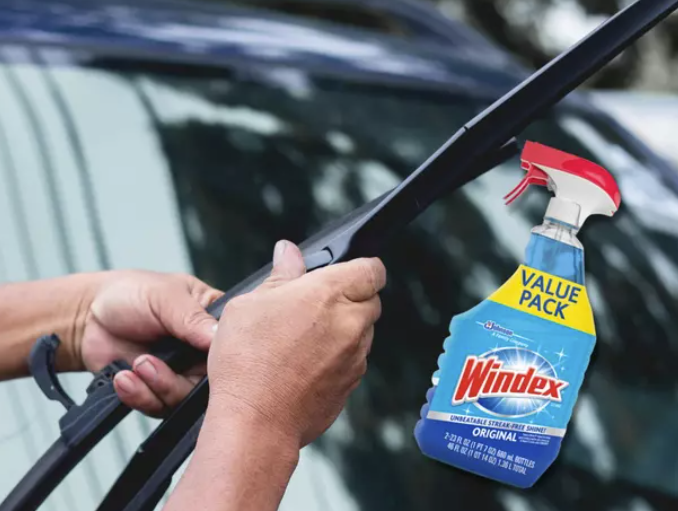
Direct Answer: No, you should not use Windex as a substitute for windshield washer fluid. While a very small amount might not cause immediate catastrophic failure, regular or full-strength use poses significant risks to your vehicle’s washer system, paint, and driving safety. Windex is formulated for household glass and hard surfaces, not for the demanding environment of an automotive washer reservoir.
This article examines the chemical composition of Windex, compares it directly to dedicated washer fluid, and details the potential damage that can occur.
The Chemical Reality: Why Windex Is Not Washer Fluid
Windex is a cleaning product, not an automotive maintenance fluid. To understand the risk, you must look at its ingredients. Safety Data Sheets (SDS) for Windex Original indicate a composition that includes water (approximately 90%), ammonium hydroxide (ammonia) at 3–5%, isopropyl alcohol (1–5%), and small amounts of surfactants and solvents like ethylene glycol hexyl ether .
These ingredients are effective on a kitchen counter, but they are problematic inside a car:
- Ammonia: While excellent for cutting grease on glass, ammonia is aggressive toward the rubber seals, hoses, and pump components found in a windshield washer system .
- Surfactants (Soaps): Windex contains detergents that can create excessive foam. Unlike washer fluid, which is formulated to suppress suds, Windex can cause foaming that clogs nozzles and leaves streaky residue .
- Lack of Antifreeze: Standard Windex contains no ethylene glycol or methanol. Its freezing point is essentially that of water (around 32°F / 0°C), meaning it will turn to ice in the reservoir, hoses, and nozzles during freezing weather .
Comparison: Windex vs. Dedicated Windshield Washer Fluid
The following table summarizes the key differences between using a household glass cleaner and a purpose-built automotive fluid.
| Feature | Windex (Glass Cleaner) | Dedicated Windshield Washer Fluid |
|---|---|---|
| Primary Purpose | Household glass and hard surface cleaning | Automotive windshield cleaning and freeze protection |
| Freeze Protection | None (Freezes at ~32°F / 0°C) | Yes (Rated for specific temperatures, often -20°F or lower) |
| Effect on Rubber/Plastic | Potentially corrosive (Ammonia/Solvents) | Formulated to be compatible with seals and hoses |
| Foaming Characteristics | High foaming tendency (Surfactants) | Low-foaming (Controlled surfactant blend) |
| Cleaning Action | Dissolves light grease and grime | Designed to cut road film, bugs, and salt without streaking |
| Safety | Can cause glare and streaks if not fully wiped | Leaves clear, streak-free finish for safe visibility |
| Cost Efficiency | Low upfront cost, high risk of repair bills | Moderate cost, protects system longevity |
The Risks of Using Windex
1. System Damage and Clogging
The automotive industry explicitly warns against this practice. Technical Service Bulletins from manufacturers note that washer fluids containing ammonium or specific surfactants (common in glass cleaners) are unacceptable because they can damage the washer pump and nozzles . The ammonia in Windex can cause the rubber components in the pump and check valves to swell or degrade over time . Furthermore, the soap content can leave a gummy residue that plugs the fine mist nozzles, requiring a mechanic to clear them.
2. Freezing and Component Failure
If you use Windex in cold weather, the fluid will freeze. This is not merely an inconvenience; it can be destructive. Ice expands and can crack the washer reservoir, split hoses, or burn out the washer pump motor if you attempt to activate the system while frozen . You will find yourself without washer spray exactly when you need it most—during winter road splash.
3. Visibility and Safety Hazards
Windex is designed to be wiped dry with a cloth or paper towel. When sprayed onto a windshield and removed only by wiper blades, it tends to leave streaks and a film. This film can create dangerous glare from oncoming headlights or the sun, significantly reducing visibility . Additionally, the soapy residue can cause the wipers to chatter or skip across the glass rather than moving smoothly.
4. Paint and Trim Damage
While Windex is generally safe on clear-coated automotive paint in small, incidental amounts, repeated exposure from overspray or a leaking reservoir can strip protective waxes. The solvents in the cleaner can also degrade the plastic trim or rubber weatherstripping around the windshield over time .
What to Do If You Already Used Windex
If you have mistakenly filled your reservoir with Windex, do not panic, but do take action:
- Do Not Use the Sprayer (If Frozen): If the temperature is below freezing and you suspect the fluid has frozen, do not press the washer button. This can burn out the pump motor .
- Drain and Flush: If the fluid is still liquid, use a siphon pump or disconnect a hose to drain the reservoir. Refill with distilled water, run the washer briefly to flush the lines, and drain again.
- Refill with Proper Fluid: Fill the system with a dedicated windshield washer fluid appropriate for your climate. The small amount of residual water will not harm the new fluid.
- Check for Leaks: Monitor the system for a few days. If the nozzles are clogged or the pump sounds strained, a professional cleaning may be required.
Frequently Asked Questions (FAQs)
1. Can I use just a splash of Windex to top off my washer fluid?
It is not recommended. While a tiny amount (a teaspoon) in a full reservoir of proper fluid is unlikely to cause immediate harm, it offers no benefit . It dilutes the antifreeze properties of your washer fluid and introduces unnecessary ammonia and soap into the system. It is always better to top off with the correct fluid.
2. Will Windex damage my car’s paint if it oversprays?
Occasional overspray that is washed off with rain or a car wash is generally not an issue for modern clear coats. However, if Windex is left to sit on the paint regularly, it can degrade wax and potentially stain trim. It is always best to rinse the area with water if a significant spill occurs .
3. Is it okay to use Windex in the summer since it won’t freeze?
Even in summer, Windex is a poor choice. It lacks the lubricity and specific detergents needed to remove summer road grime, bug splatter, and tree sap effectively. Furthermore, the risk of clogging the nozzles with soap residue and damaging rubber seals remains year-round .
4. What is the best alternative if I run out of washer fluid?
In an emergency, plain water is the safest temporary substitute, though it will not clean as well and offers no freeze protection. You can also use a mixture of water and a small amount of automotive-specific washer concentrate if you have it. Avoid home remedies like vinegar or dish soap, as these can also damage the system or leave streaks .
5. Does Windex ruin wiper blades?
Yes, over time it can. The ammonia and solvents in Windex can dry out and harden the rubber compound of the wiper blade, causing them to become brittle and chatter across the glass. This leads to poor wiping performance and the need for earlier replacement .