How to Clean a Tarnished Copper Tongue Scraper: A Complete Guide
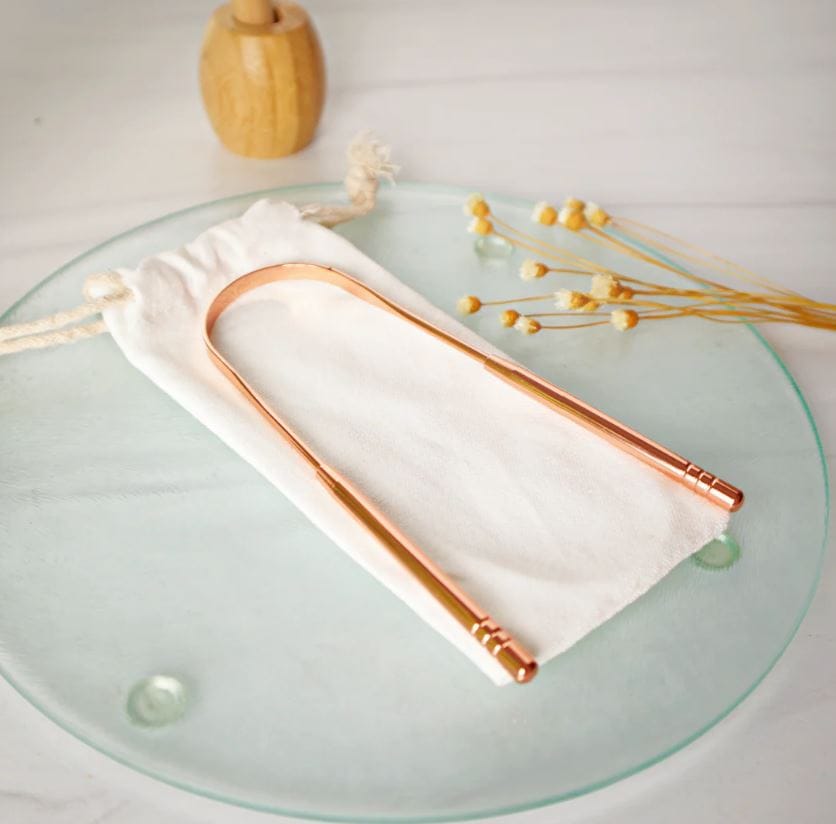
A copper tongue scraper is more than just an oral hygiene tool; it’s a natural, antimicrobial instrument favored for its health benefits. However, that beautiful rose-gold hue can quickly develop a dark, tarnished patina. If your scraper has lost its luster, don’t worry—this is a natural process and completely reversible.
This comprehensive guide will walk you through the safest and most effective methods to restore your copper tongue scraper to its original shine.
Why Does Copper Tarnish?
Before we dive into cleaning, it’s helpful to understand why copper tarnishes. Tarnish is a thin layer of corrosion that forms on copper, brass, silver, and other similar metals as a result of a chemical reaction.
Samantha Green, a Certified Holistic Health Practitioner, explains: “The tarnish on your copper tongue scraper is primarily copper oxide, formed when copper reacts with oxygen and moisture in the air. While this patina doesn’t diminish the scraper’s antimicrobial properties, a clean surface is preferable for both aesthetics and hygiene.”
Essentially, tarnish is a sign that your copper is real and reacting with its environment.
Safety First: Precautions Before You Clean
Copper is a soft metal, and your tongue scraper is a personal care item. Following these safety precautions is crucial:
- Avoid Abrasive Scrubs: Do not use harsh scouring pads or powdered cleaners, as they can create microscopic scratches where bacteria can thrive.
- Rinse Thoroughly: After any cleaning method, always rinse your scraper thoroughly with warm water.
- Dry Completely: Pat it completely dry with a soft cloth after each use and each cleaning to slow down future tarnishing.
- Check for Coatings: Some copper scrapers have a protective lacquer coating. If yours has a coating, it shouldn’t tarnish. Cleaning it with abrasive methods can strip the coating. If it’s tarnishing, it’s likely uncoated.

3 Effective Methods to Clean Your Copper Tongue Scraper
Here are three tried-and-tested methods, ranging from a simple kitchen staple to a powerful, deep-cleaning approach.
Method 1: The Lemon and Salt Scrub (Most Natural)
This is the most popular and natural method for cleaning tarnished copper. The acid in the lemon juice breaks down the tarnish, while the salt acts as a gentle abrasive.
What You’ll Need:
- 1 Fresh Lemon (cut in half)
- 1-2 tablespoons of Salt or Baking Soda
Instructions:
- Pour the salt onto a small plate.
- Take one half of the lemon and press it into the salt, coating the cut surface.
- Rub the lemon half over the entire surface of the tarnished tongue scraper, using the salt-encrusted surface as a scrubber.
- You will see the tarnish start to disappear almost immediately.
- Let the juice sit on the scraper for 1-2 minutes for stubborn tarnish.
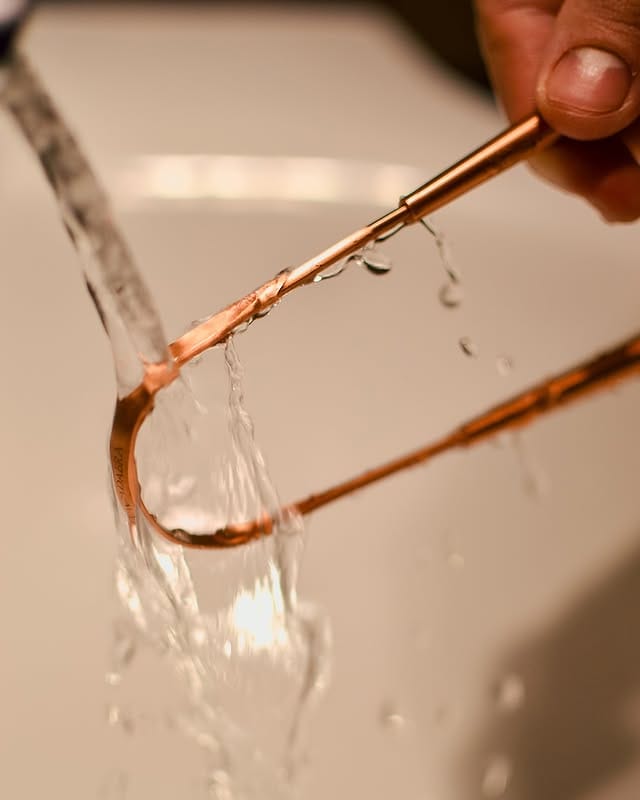
- Rinse thoroughly under warm water and dry completely.
Method 2: The Vinegar and Salt Soak (For Heavy Tarnish)
For scrapers with heavier, more stubborn tarnish, a vinegar soak can be more effective.
What You’ll Need:
- White Vinegar
- Salt
- A small bowl or glass
Instructions:
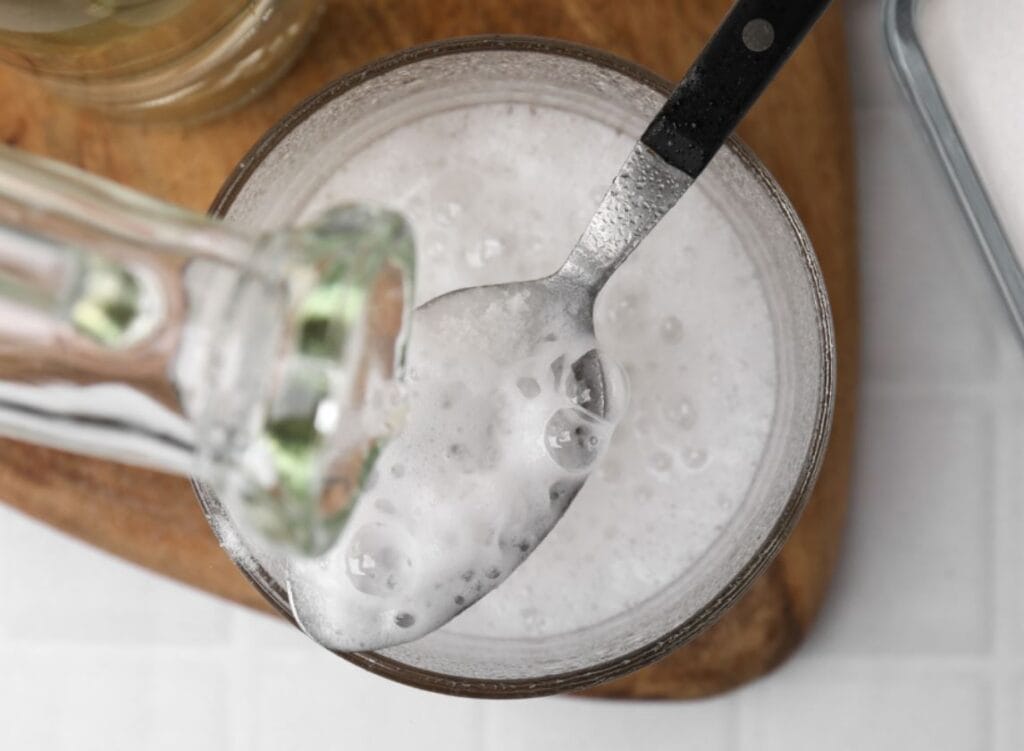
- In your small bowl, mix equal parts white vinegar and salt to create a paste. Alternatively, you can submerge the scraper in a cup of vinegar with a tablespoon of salt mixed in.
- Apply the paste to the scraper or place the scraper in the vinegar solution.
- Let it sit for 5-15 minutes, depending on the level of tarnish.
- Use a soft cloth or your fingers to gently wipe away the tarnish.
- Rinse thoroughly under warm water and dry completely.
Method 3: The Ketchup Trick (The Surprising Solution)
It might sound strange, but ketchup is a remarkably effective copper cleaner. The tomatoes in ketchup contain acids (citric and acetic) that react with copper oxide.
What You’ll Need:
- Ketchup
- A soft-bristled toothbrush (optional)
Instructions:
- Coat the entire tarnished scraper with a thin layer of ketchup.
- Let it sit for 5-10 minutes.
- Use your fingers or a soft-bristled toothbrush to gently scrub the surface.
- Rinse thoroughly under warm water, ensuring all ketchup residue is removed.
- Dry completely.
Cleaning Method Comparison Table
To help you choose the best method for your situation, here is a quick comparison:
| Method | Best For | Effort Level | Key Advantage |
|---|---|---|---|
| Lemon & Salt Scrub | Light to moderate tarnish | Medium (Hands-on scrubbing) | All-natural, uses common kitchen ingredients. |
| Vinegar & Salt Soak | Moderate to heavy tarnish | Low (Passive soaking) | Powerful on stubborn tarnish without much scrubbing. |
| The Ketchup Trick | All levels of tarnish | Low to Medium | Fun, effective, and requires no mixing. |
How to Prevent Future Tarnish
The best way to deal with tarnish is to prevent it from forming quickly. Here are simple steps to keep your copper tongue scraper shiny for longer.
Dr. Alyssa Chen, a Biological Dentist, advises: “The single most important habit is to dry your copper scraper immediately after each use. Storing it in a dry place, away from humid bathroom air, will significantly slow the oxidation process and reduce the frequency of deep cleanings needed.”
- Dry Immediately: After rinsing, pat it dry with a towel—don’t just air dry.
- Proper Storage: Store your scraper in a dry location, ideally not directly on a wet countertop. A small cloth pouch or a dedicated drawer is perfect.
- Regular Wipes: Give it a quick wipe with a soft, dry cloth every few days to remove oils and moisture before they cause tarnish.
Final Thoughts
A tarnished copper tongue scraper is not a sign that it’s time for a replacement. It’s simply a call for a quick, natural refresh. By using simple ingredients like lemon, vinegar, or even ketchup, you can easily restore its beautiful, hygienic surface. By incorporating proper drying and storage into your routine, you can extend the time between cleanings and enjoy the benefits of your copper tool for years to come.