A Step-by-Step Guide to a Deep Spring Declutter

Winter leaves behind a buildup of heavy items and forgotten dust in every corner. Clearing out the excess creates a fresh start for the warmer months ahead. A systematic approach makes the entire process feel manageable and rewarding.
Many people feel overwhelmed by the sheer volume of items accumulated throughout the year. Breaking the job into smaller phases prevents fatigue, keeping motivation high throughout the day. Setting realistic goals helps maintain steady progress across every room.
Map Out the Strategy
Every successful project requires a solid plan before moving any furniture. Wandering from room to room without direction wastes valuable energy. Choosing one specific area to target first builds immediate momentum.
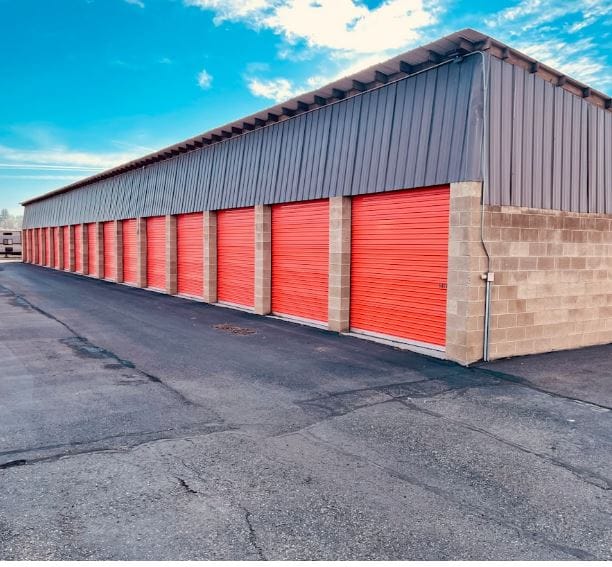
Sorting through years of physical items requires clear decision categories. Finding a reliable spot for personal and business storage keeps items safe during long transitions. Separating daily necessities from seasonal belongings streamlines the workflow.
A clear timeline prevents the project from dragging into a multi-week headache. Dedicating a few hours each weekend yields visible results without causing burnout. Small victories early on pave the way for bigger spaces later.
Gather Your Sorting Tools
Preparation prevents unnecessary delays once the heavy lifting begins. Having containers ready means items get categorized immediately instead of piling up elsewhere. A British waste management guide suggests using a distinct four-box method to stay organized.
Labeling these containers clearly prevents items from getting mixed during the rush. One container holds items to keep, another holds donations, and the remaining holds waste or items destined for other locations. This structure forces immediate decisions on every single item handled.
Moving items immediately into their designated spots keeps walkways entirely clear. Sticking to the system prevents second-guessing decisions later in the day. A tidy workspace reduces mental fatigue as the job progresses.
Tackle the Main Living Spaces
Living rooms gather a massive amount of daily items over several months. Entertainment centers, coffee tables, and bookshelves hold things that no longer serve a purpose. Clearing these surfaces immediately makes the entire house feel much larger.
Evaluating hidden items inside cabinets requires absolute honesty about their actual utility. A home organization blog notes that sorting items into four distinct categories, like keep, donate, recycle, and store, represents the perfect initial step.
Paring down old magazines, duplicate remote controls, and worn cushions refreshes the common areas. Items chosen for retention deserve designated spots to prevent future piles. Keeping open spaces clean establishes a new standard for household organization.
Organize Clothes and Wardrobes
Closets frequently harbor garments that no longer fit or suit current tastes. Sifting through clothing by category allows for quick comparisons and faster decisions. Removing options that fail to inspire confidence opens up space for garments worn regularly.
The standard rule involves parting with pieces untouched for a full calendar year. Trying on questionable items helps verify fit and comfort before making a final choice. Hangers pointing in one direction help track garment usage over the following months.
Managing seasonal rotations requires a smart strategy to maintain closet space. Keeping out-of-season apparel tucked away opens up daily dressing routines. Implementing specific storage strategies helps:
- Heavy winter coats stay protected in breathable garment bags.
- Bulky sweaters fit neatly into vacuum-sealed bags to save space.
- Off-season footwear remains organized inside labeled clear plastic bins.
Clear Out Kitchen Cabinets
Pantries and cupboards easily accumulate expired goods and duplicate cooking tools. Emptying shelves reveals hidden items hiding in dark back corners. Wiping down the bare surfaces prepares the space for restocked items.
Grouping similar ingredients makes future meal preparation much faster. Expired spices and stale dry goods belong directly in the waste bin. Small storage containers hold loose items neatly to prevent messy spills on shelves.
Appliances sitting on countertops deserve careful evaluation regarding regular usage. Stowing rarely used blenders or mixers away keeps workspace areas open and clean. A clutter-free countertop invites creative cooking and simplifies daily cleaning routines.
Address Storage Areas and Garages
Garages often become dumping grounds for items without real homes indoors. Sorting through tools, sports gear, and old paint cans requires significant effort. Creating wall-mounted storage solutions keeps floors open for vehicles and foot traffic.
Plastic bins protect stored items from moisture and pests over long periods. Labeling every container guarantees quick retrieval when specific items become necessary later. Heavy items belong on lower shelving units to keep handling safe.
Donation drop-offs should occur immediately after finishing the garage sort. Keeping these items in your vehicle guarantees they leave the property instead of returning to storage. Completing this last zone brings a deep sense of accomplishment to the household.
Maintaining an organized home requires regular evaluation of new acquisitions. Developing a habit of removing one old item when bringing a new item home prevents future pileups. Small daily habits sustain the hard work completed during the deep cleaning.
Enjoying a refreshed living space rewards the effort invested in the process. Clear rooms create a sense of calm that benefits daily well-being. Sustaining these clean environments provides a lasting sense of order throughout the year.