Are CaviWipes Carcinogenic? A Detailed Safety and Ingredient Analysis
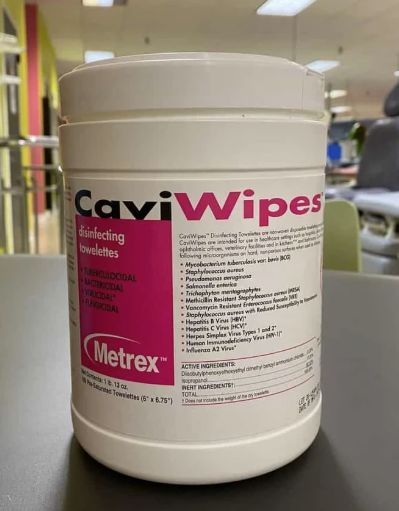
Bottom line: Based on current regulatory classifications and available toxicological data, CaviWipes are not classified as carcinogenic. Neither the product as a whole nor its individual active ingredients appear on the carcinogen lists of the International Agency for Research on Cancer (IARC), the National Toxicology Program (NTP), OSHA, or ACGIH as a confirmed human carcinogen. The primary safety concerns associated with CaviWipes relate to acute irritation (eyes, skin, respiratory tract) and flammability, rather than long-term cancer risk.
However, because CaviWipes are professional-grade medical disinfectants containing potent chemicals, understanding the specific ingredients and their hazard profiles is essential for safe use.
Understanding the Ingredients in CaviWipes
CaviWipes are pre-saturated towelettes registered with the U.S. Environmental Protection Agency (EPA) as hospital-grade disinfectants. The formulation varies slightly by product line (e.g., CaviWipes1 vs. CaviWipes XL), but the core active ingredients are typically a synergistic blend of alcohols and quaternary ammonium compounds.
Primary Chemical Components
Based on Safety Data Sheets (SDS) and EPA registration data, the main ingredients include:
Note: CaviWipes Bleach is a separate product line containing sodium hypochlorite; its carcinogenicity profile differs from the alcohol/quat-based wipes discussed here.
Carcinogenicity Assessment: Ingredient-by-Ingredient
To determine whether CaviWipes pose a cancer risk, we must examine the International Agency for Research on Cancer (IARC) classifications for the key components.
1. Isopropanol (Isopropyl Alcohol)
IARC Classification: Group 3 (Not classifiable as to its carcinogenicity to humans).
The IARC Working Group evaluated isopropanol and concluded that there is inadequate evidence for carcinogenicity in both humans and experimental animals. While some older studies noted an increased incidence of certain cancers in factory workers exposed to isopropanol produced via a specific strong-acid process, later evaluations determined that the observed effects were likely due to confounding factors or other co-exposures, not isopropanol itself. Regulatory bodies like the UK government and the EPA do not classify isopropanol as a carcinogen.
2. 2-Butoxyethanol
IARC Classification: Group 3 (Not classifiable).
While 2-butoxyethanol is known to cause hemolysis (red blood cell damage) at high exposure levels in animal studies, it has not been shown to be carcinogenic. The SDS warns of effects on the liver, kidneys, and central nervous system following prolonged overexposure, but it is not listed as a carcinogen by NTP, IARC, or OSHA.
3. Quaternary Ammonium Compounds (Benzethonium Chloride / Quats)
IARC Classification: Not evaluated as a group.
Benzethonium chloride is highly toxic if ingested and corrosive to tissues, but there is no established link to cancer in humans. The primary chronic concerns with quaternary ammonium compounds are respiratory irritation, asthma exacerbation, and contact dermatitis, particularly in occupational settings where workers are frequently exposed to disinfectant residues. The EPA’s registration review for these antimicrobials focuses on acute toxicity and ecological risks (they are highly toxic to aquatic life) rather than carcinogenicity.
Summary Comparison Table
| Product / Ingredient | IARC Classification | NTP Listing | OSHA Carcinogen | Overall Carcinogenic Risk |
|---|---|---|---|---|
| CaviWipes (Finished Product) | Not Listed | Not Listed | Not Listed | Not Classified |
| Isopropanol | Group 3 | Not Listed | Not Listed | Low / Unclassifiable |
| 2-Butoxyethanol | Group 3 | Not Listed | Not Listed | Low / Unclassifiable |
| Benzethonium Chloride | Not Listed | Not Listed | Not Listed | No established link |
What Are the Real Safety Concerns?
If cancer is not the primary risk, what should users be aware of?
Acute Toxicity and Irritation
CaviWipes are classified as causing serious eye irritation (H319) and may cause respiratory irritation (STOT SE 3) due to the alcohol content. Direct contact with the liquid saturant can dry and irritate the skin. The quaternary ammonium compounds are corrosive in concentrated form, though the wipe format dilutes this risk.
Respiratory Sensitization
Frequent use of disinfectant wipes in healthcare settings has been associated with an increased incidence of asthma and respiratory symptoms among cleaning staff. This is often attributed to the volatilization of alcohols and the aerosolization of quats during wiping. Adequate ventilation is critical.
Flammability
Because the wipes contain 10–20% isopropanol, the liquid is flammable. The flash point of the liquid is approximately 28.3°C (83°F). Wipes should be stored away from heat and open flames, and discarded wipes should not be accumulated in large quantities in enclosed spaces due to vapor accumulation.
Surface Compatibility and Residue
CaviWipes are intended for hard, non-porous surfaces. They are not recommended for use on food contact surfaces without a thorough potable water rinse afterward. Additionally, residues from quaternary ammonium compounds can interfere with the sterilization of medical devices if not properly rinsed before subsequent processing.
Safe Handling Recommendations
To minimize any potential health risks (carcinogenic or otherwise) while using CaviWipes:
- Ventilation: Use in well-ventilated areas. Avoid inhaling the vapor directly from the container or freshly wiped surfaces.
- Personal Protective Equipment (PPE): While gloves are not always required for brief contact, the SDS recommends impervious gloves (nitrile or butyl rubber) for prolonged or repeated contact to prevent defatting of the skin. Eye protection (splash goggles) is advisable if splashing is possible.
- No Aerosolization: Do not spray or wring out the wipes. Use them as intended—wiping gently.
- Hand Hygiene: Wash hands thoroughly with soap and water after handling, especially before eating or smoking.
- Disposal: Dispose of used wipes in accordance with local regulations for hazardous or regulated waste. Do not reuse towelettes.
Frequently Asked Questions (FAQs)
1. Do CaviWipes cause cancer with long-term use?
No. Current regulatory and scientific consensus does not classify CaviWipes or their active ingredients (isopropanol, 2-butoxyethanol, quats) as human carcinogens. The IARC classifies isopropanol as Group 3 (not classifiable), meaning there is insufficient evidence to link it to cancer in humans. The primary long-term health concern with repeated occupational exposure is respiratory irritation and asthma, not cancer.
2. Are CaviWipes safe for use on skin?
No, they are not designed for skin antisepsis. CaviWipes are surface disinfectants. While incidental contact with skin during wiping is generally low-risk, the product is classified as an eye irritant and can cause skin dryness or irritation with repeated contact. They should not be used to clean hands or skin wounds.
3. What should I do if I inhale the fumes from CaviWipes?
If you experience dizziness, headache, or nausea from inhaling the vapors (due to the isopropanol and 2-butoxyethanol), move to fresh air immediately. If symptoms persist, seek medical attention. To prevent this, always use the wipes in well-ventilated areas and keep containers closed when not in use to prevent vapor buildup.
4. Can CaviWipes trigger asthma or allergies?
Yes, they can exacerbate respiratory conditions. The quaternary ammonium compounds and volatile solvents in disinfectant wipes are known triggers for occupational asthma and respiratory irritation. Individuals with pre-existing asthma or sensitive airways should use caution, ensure adequate ventilation, and consider alternative disinfectants if symptoms occur.
5. Do I need to rinse surfaces after using CaviWipes?
It depends on the surface. For general environmental disinfection (e.g., countertops, medical equipment exteriors), rinsing is typically not required unless specified by the device manufacturer. However, for food contact surfaces, a thorough rinse with potable water is mandatory after the required contact time to remove chemical residues. Additionally, if the surface will be used for sterile procedures, residue removal may be necessary to avoid interference with sterilization processes.