How to Wash Eyeglass Cloths: A Professional Guide to Restoring Microfiber Performance
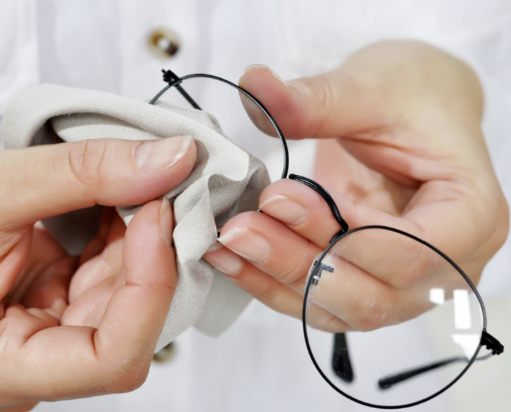
Your eyeglass cleaning cloth is a precision tool, but it is also a consumable that degrades with improper care. When a microfiber cloth stops removing smudges and starts spreading a thin film of oil across your lenses, the problem is rarely the cloth itself—it is the accumulated residue from skin oils, hand lotions, and improper washing techniques. This guide provides a structured, evidence-based approach to washing eyeglass cloths, preserving their fiber integrity, and protecting the optical coatings on your lenses.
Why Eyeglass Cloths Require Specialized Care
Eyeglass cloths are typically made from microfiber—a synthetic textile composed of polyester and polyamide fibers that are significantly finer than a human hair. These ultra-fine fibers are split to create microscopic capillaries that trap dust, oil, and particulate matter through electrostatic attraction and capillary action . This structure is what allows a dry cloth to lift fingerprints from a lens without scratching the coating.
However, this same structure is vulnerable to clogging. Fabric softeners, dryer sheets, and harsh detergents deposit a waxy or silicone layer that fills the capillaries, permanently reducing the cloth’s ability to absorb oils . High heat—whether from hot water or a tumble dryer—can melt or fuse the synthetic fibers, transforming a soft, effective cloth into a stiff, potentially abrasive material that risks micro-scratching lens coatings . Understanding these vulnerabilities is the foundation of proper cloth maintenance.
Hand Washing vs. Machine Washing: A Comparative Analysis
Hand washing is the safest and most controlled method for cleaning a single eyeglass cloth, while machine washing is appropriate only when processing multiple microfiber items. The table below compares the two approaches across key parameters.
Hand-washing protocol (step-by-step):
- Shake the dry cloth over a wastebasket to dislodge loose dust and grit before wetting. This prevents abrasive particles from being worked deeper into the fibers during washing .
- Fill a clean basin with lukewarm water and add one to two drops of mild, lotion-free dish soap or liquid hand soap. Swirl to distribute.
- Submerge the cloth and allow it to soak for five minutes. For heavily soiled cloths, extend soaking to fifteen minutes .
- Gently rub the fabric against itself between your fingers. Do not scrub aggressively or use a brush.
- Rinse under clean running water until no soap residue remains. Squeeze gently—never wring or twist, as this distorts the fiber structure .
- Lay flat on a clean towel or hang in a dust-free area to air dry completely before storage or use.
Machine-washing protocol (when processing multiple cloths):
Place eyeglass cloths in a mesh laundry bag to prevent loss and reduce agitation stress. Wash only with other microfiber items—never with cotton towels, fleece, or lint-shedding fabrics, as microfiber acts as a magnet for lint particles . Use a gentle cycle with cold water and a minimal amount of fragrance-free liquid detergent. Skip fabric softener entirely and add one-half cup of white vinegar to the rinse cycle if additional softening is desired (though vinegar is optional and some specialists advise against it for lens cloths to avoid residual odor) . Air dry completely.
Critical Mistakes That Destroy Eyeglass Cloths
The following practices cause irreversible damage to microfiber and should be avoided without exception.
How Often Should You Wash an Eyeglass Cloth?
Washing frequency depends on usage intensity and lens coating type. A cloth used daily should be washed at least weekly; if you notice streaking or reduced cleaning efficacy, wash immediately . The table below provides guidance based on lens coating, as certain coatings are more sensitive to residue.
When to Replace Rather Than Wash
Microfiber cloths have a finite lifespan. Replace the cloth when any of the following signs appear: frayed edges, thinning fabric, persistent stiffness after washing, or continued streaking despite proper cleaning . A cloth that has been repeatedly washed with fabric softener may be irreversibly clogged and should be retired rather than rescued . Quality microfiber can withstand hundreds of wash cycles when cared for properly, but no washing method can restore a cloth that has exceeded its structural integrity .
Frequently Asked Questions (FAQ)
1. Can I use fabric softener on my eyeglass cloth if it feels stiff?
No. Fabric softener is the single most destructive product for microfiber. It works by coating fibers with a waxy or silicone layer that makes fabric feel smooth to the touch, but this same layer fills the microscopic capillaries that give microfiber its cleaning ability . A softened eyeglass cloth will glide across the lens without absorbing oil, effectively pushing smudges around rather than removing them. If your cloth feels stiff after washing, it has likely been heat-damaged or has detergent residue; rewash with a small amount of mild detergent and rinse thoroughly, then air dry.
2. Can I put my eyeglass cloth in the dryer?
Only on a no-heat or air-fluff setting, and never with dryer sheets. Even low heat settings can reach temperatures that begin to melt or fuse the fine synthetic fibers, leaving the cloth stiff and potentially scratchy . The safest method is to lay the cloth flat on a clean surface or hang it in a dust-free area to air dry. If you must use a machine dryer, remove the cloth promptly when the cycle ends and avoid overloading.
3. How do I know if my cloth is permanently ruined?
A properly cleaned microfiber cloth should feel soft, slightly grippy, and supple. If it feels slick, waxy, or stiff after washing and rinsing, the fibers have likely been coated with softener residue or heat-damaged . If the cloth continues to streak lenses after a proper hand-wash with mild soap and thorough rinsing, or if the edges are frayed and the fabric is thinning, replacement is the appropriate course. No washing method can reverse melted fibers or restore a cloth that has lost its structural integrity .
4. Can I wash my eyeglass cloth with my regular laundry?
No. Washing microfiber with cotton towels, clothing, or any lint-shedding fabric causes lint particles to become embedded in the microfiber weave . These trapped lint fibers can then transfer to your lenses during cleaning and may cause micro-scratches on delicate coatings. Always wash eyeglass cloths separately or only with other microfiber items, ideally in a mesh laundry bag to contain them and reduce agitation.
5. What should I do if I accidentally used fabric softener on my cloth?
Rewash the cloth immediately using the hand-washing protocol with mild, fragrance-free soap and a thorough rinse. Some sources suggest adding a half-cup of white vinegar to the rinse to help strip residual softener coating . However, if the cloth has been through multiple softener cycles, the waxy accumulation may be permanent and the cloth may need to be replaced. Prevention—keeping softener and dryer sheets away from all microfiber items—remains the only reliable strategy .