How to clean goalie gloves without glove wash?
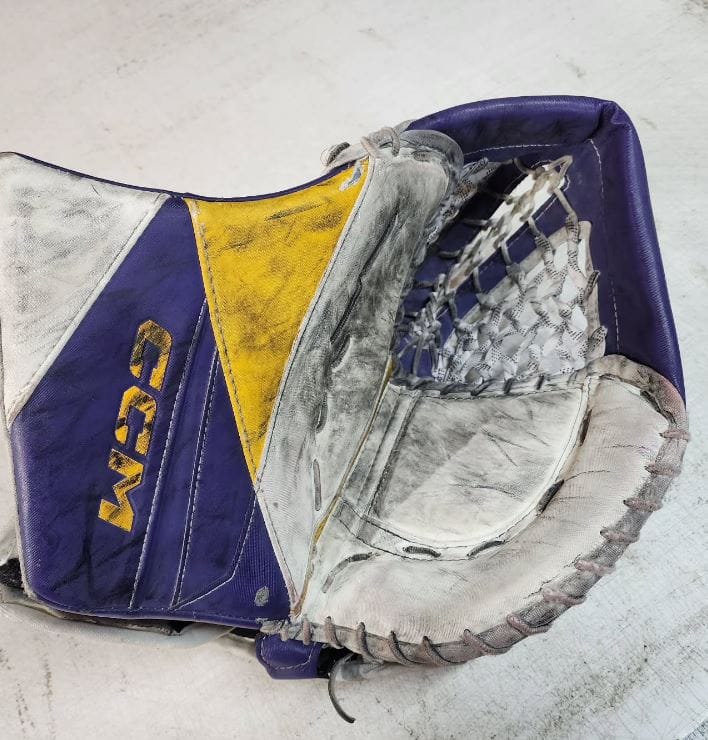
Goalkeeper gloves are a significant investment, often costing between $150 and $300 per pair, so preserving the latex palm is critical for performance and longevity . While commercial glove washes are available, they are not strictly necessary. Many professionals rely on common household items that are pH-neutral and free from harsh degreasers or alcohols that degrade latex . This guide provides a professional, evidence-based protocol for cleaning goalie gloves without specialty wash, ensuring you maintain maximum grip and extend the lifespan of your equipment.
Why Household Cleaners Can Be Dangerous
Before selecting an alternative cleaner, it is crucial to understand why standard soaps are harmful. Latex is a natural rubber polymer that relies on specific oils to maintain its tackiness and structural integrity .
- Degreasers (Dish Soap): Products like Dawn strip the natural oils from the latex, causing the foam to become brittle and lose grip permanently .
- Alcohols and Fragrances: These dry out the foam matrix, leading to cracking and premature aging of the glove .
- High pH: Standard laundry detergents (pH 8–10) are too alkaline and can break down the latex polymers over time .
Comparison of Safe Alternatives
If you do not have a dedicated glove wash, you must select a substitute that is mild and pH-balanced. The table below compares acceptable household alternatives.
Step-by-Step Cleaning Protocol
To clean your gloves safely without specialty wash, follow this precise method to avoid saturating the foam or damaging the stitching.
Step 1: Pre-Cleaning Assessment
Do not turn the gloves inside out, as this stretches the internal foam and can break palm stitching . Instead, gently tap the palms together to remove loose, dry dirt. If the gloves are heavily soiled with mud, allow it to dry completely and brush off the excess before applying water .
Step 2: The “Soakless” Wash Method
Contrary to popular belief, you should never submerge goalkeeper gloves for extended periods. Prolonged soaking dissolves the latex fillers and weakens the adhesive .
- Prepare the Solution: Fill a bowl with lukewarm water (never hot; temperatures above 35°C / 95°F degrade latex). Add a single drop of fragrance-free baby shampoo and stir .
- Apply with Cloth: Dip a soft microfiber cloth into the solution and wring it out thoroughly. The cloth should be damp, not dripping .
- Wipe the Palm: Gently wipe the latex palm in one direction (from heel to fingertips) using light pressure. Avoid aggressive scrubbing .
- Tackle Stubborn Dirt: For deep-set dirt in the grip zones, use a soft-bristled infant toothbrush dipped in the solution. Use circular motions for a maximum of 10 seconds per area .
Step 3: Critical Rinsing
Soap residue left in the latex will attract dirt and reduce tackiness. Rinse your microfiber cloth thoroughly with clean water and wipe the palm again. Repeat this process 2–3 times until no bubbles appear .
Step 4: Water Extraction
Never wring or squeeze the gloves, as this breaks the foam cell walls . Instead, lay the gloves flat on a dry towel. Roll the towel with the gloves inside, starting from the fingers and rolling toward the cuff. Press down firmly along the roll to push water out without twisting the glove .
Step 5: The Make-or-Break Drying Phase
How you dry the gloves is just as important as how you wash them. Incorrect drying is the leading cause of brittle, cracked latex.
Expect the gloves to take approximately 24 to 36 hours to dry fully at room temperature . If possible, hang them fingers-down in a well-ventilated area to allow water to drain away from the fingertips .
Frequently Asked Questions (FAQs)
1. Can I use regular hand soap or body wash if I don’t have baby shampoo?
Answer: You should avoid regular hand soap if possible. Most hand soaps contain moisturizers, fragrances, and surfactants that can leave a slippery residue on the latex, reducing grip . If you are in a pinch and must use something other than water, a highly diluted, fragrance-free, mild liquid soap (like a basic hand soap without moisturizers) is better than dish detergent, but baby shampoo remains the safest alternative because it is formulated to be gentle on sensitive materials .
2. How often should I clean my gloves if I don’t use glove wash?
Answer: Frequency depends on usage and conditions. For match gloves, a full wash is typically recommended every 2–3 matches, with a light rinse after the games in between to remove sweat and light dirt . Training gloves can go longer between full washes; a thorough rinse after sessions is usually sufficient until odor or visible dirt buildup occurs . Over-washing can be just as counterproductive as not cleaning enough, as it accelerates wear on the latex .
3. Can I use vinegar to remove smells from my goalie gloves?
Answer: You can use white vinegar, but it must be heavily diluted (1 part vinegar to 10 parts water) and used sparingly—ideally no more than once per season . Vinegar is acidic and can degrade latex over time if not rinsed extremely thoroughly. For routine odor control, a thorough rinse with lukewarm water and proper drying is safer. Never use undiluted vinegar or essential oils directly on the latex, as these can dry out the foam and cause cracking .
4. My gloves got soaked in the rain during a match. Can I dry them on the radiator to save time?
Answer: Absolutely not. Placing gloves on a radiator, heater, or in a tumble dryer is the fastest way to destroy the latex . High heat causes the latex to lose its natural moisture, turning it brittle and prone to flaking and cracking. If your gloves are soaked, press out the excess water using the towel-roll method described above, then hang them in a well-ventilated room at normal temperature. Using a fan (without heat) can speed up the process safely .
5. Is it okay to store my gloves in my kit bag while they are still slightly damp?
Answer: You should avoid storing gloves in a sealed kit bag while damp, as this traps moisture and promotes bacterial growth (odor) and can lead to mildew . However, you also should not store them bone-dry, as latex needs a small amount of residual moisture to stay supple . The ideal method is to air-dry them completely at room temperature, then store them in a breathable glove bag or a well-ventilated area with the palms facing apart (not touching) to prevent the latex from sticking together .