Can Salt Water Stain Clothes? A Complete Guide to Prevention, Treatment, and Fabric Care
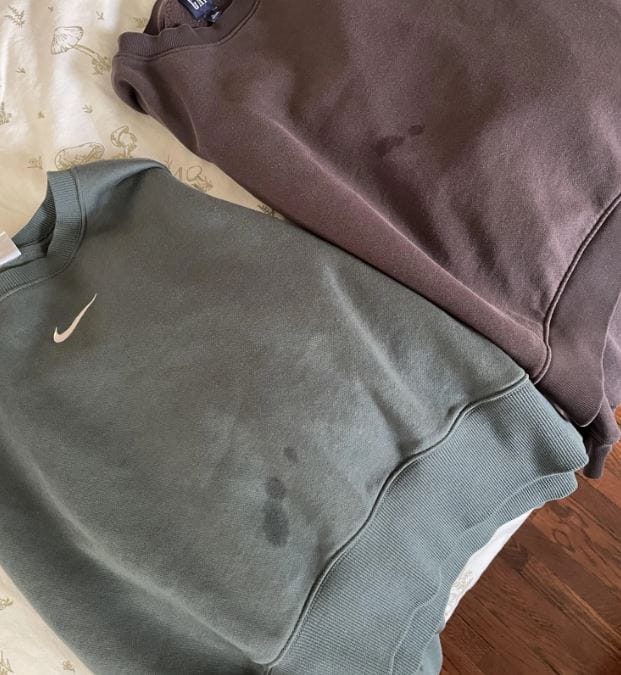
Yes, salt water can absolutely stain clothes. While the staining mechanism differs from oil- or dye-based stains, the mineral residue left behind by seawater or road salt can create stubborn white rings, stiffen fabrics, and weaken fibers if left untreated. Understanding why salt stains form and how different materials react is essential for protecting your wardrobe.
Why Salt Water Leaves Marks on Fabric
Salt water stains are not caused by a pigment or dye. Instead, they are the result of mineral deposition. Seawater contains approximately 3% salt, along with other minerals . When saltwater-soaked fabric dries, the water evaporates but the dissolved salts remain trapped within the fibers. As the moisture disappears, these salts crystallize, creating the characteristic white, crusty lines often seen along hems, cuffs, and seams .
The damage goes beyond aesthetics. Salt is alkaline and abrasive . Over time, crystallized salt can weaken fabric fibers, cause colors to fade, and leave stiff patches that rub against the skin or crack during wear. On natural fibers like wool and silk, the risk is even greater, as salt can alter the fabric structure and leave permanent watermarks .
How Different Fabrics React to Salt Water
Not all garments are equally vulnerable. The table below summarizes how common fabrics respond to saltwater exposure and whether home treatment is advisable.
Practical takeaway: If the care label says “dry clean only,” honor it. For washable fabrics, cool water and prompt action are your best tools.
Step-by-Step: Removing Salt Water Stains at Home
For washable fabrics, the following method is effective for fresh stains. The key is speed—the sooner you rinse, the easier the removal.
1. Remove loose sand and crystals. Shake the garment outdoors or brush away dry salt with a soft cloth. Do not rub, as friction pushes crystals deeper into the weave .
2. Soak in cool water. Submerge the garment in clean, cool water for at least 30 minutes. Avoid hot water, which can set accompanying stains (sweat, sunscreen) and drive salt deeper into fibers .
3. Wash with mild detergent. After soaking, wash on a normal cycle with a gentle detergent. If a white salt line persists, repeat the soak-and-wash process—sometimes two passes are necessary .
4. Air dry away from heat. Never put a salt-stained garment in a hot dryer before the stain is fully removed. Heat can permanently set the mineral residue .
For dried, stubborn salt stains, a diluted white vinegar solution can help. Mix one part white vinegar with four parts water, soak the affected area for about 30 minutes, then wash normally . The mild acidity helps dissolve alkaline mineral deposits.
When to Stop and Call a Professional
Home treatment has limits. Take the garment to a dry cleaner if any of the following apply:
- The stain has already been through a dryer cycle
- The fabric is silk, wool, rayon, or labeled dry clean only
- A visible watermark or ring remains after gentle treatment
- The item is high-value (designer wear, formal attire, tailored pieces)
- You have already attempted one treatment and the stain has spread or changed color
Professional cleaners use controlled pH treatments and fabric-specific methods that home remedies cannot replicate, particularly for delicate or structured garments .
Preventing Salt Water Damage
Prevention is simpler than removal. After any exposure to seawater or road salt:
- Rinse immediately with fresh water if possible, even before washing
- Never ball up wet, salty clothes in a bag or hamper; this encourages mildew and sets stains
- Hang wet items to dry with airflow rather than wadding them up
- Wash beachwear the same day if practical; salt left in the hamper for days becomes significantly harder to remove
Frequently Asked Questions (FAQ)
1. Can salt water permanently ruin clothes?
Salt water can cause permanent damage if the stain is heated (via dryer or iron) before removal, or if the fabric is a delicate natural fiber like silk or wool that reacts poorly to moisture . For sturdy cottons and synthetics treated promptly, permanent damage is unlikely. The key risk factors are time and heat.
2. Does hot water remove salt stains better than cold water?
No. While salt dissolves in water at any temperature, hot water can set accompanying stains—such as sweat proteins or sunscreen oils—that are often present on beachwear . Cool water is the safer choice for initial treatment. Hot water may be appropriate for some washable fabrics after the salt has been rinsed away, but it should not be the first step.
3. Why do salt stains appear only after the clothes dry?
Salt crystals are invisible while dissolved in water. The stain emerges during evaporation, when the water leaves the fabric and the dissolved minerals remain behind, forming visible white deposits . This is why a garment can look clean when wet but develop crusty lines once dry.
4. Can I use vinegar to remove salt stains?
Yes, diluted white vinegar is a common and effective home remedy for dried salt stains on washable fabrics. A solution of one part vinegar to four parts water helps dissolve the alkaline mineral deposits . However, vinegar should not be used on silk, wool, or other protein-based fibers without professional guidance, as the acidity can damage these materials.
5. Is road salt as damaging to clothes as seawater?
Road salt poses similar risks and is arguably more damaging in some contexts. Like seawater salt, road salt crystallizes in fibers and leaves white rings, but it is often combined with abrasives and chemical ice-melt products that can be harsher on fabrics . Winter salt stains on hems and boots should be treated with the same urgency as beach stains—rinse promptly and avoid heat until the minerals are removed.