Does African Black Soap Expire? A Comprehensive Guide to Shelf Life and Storage
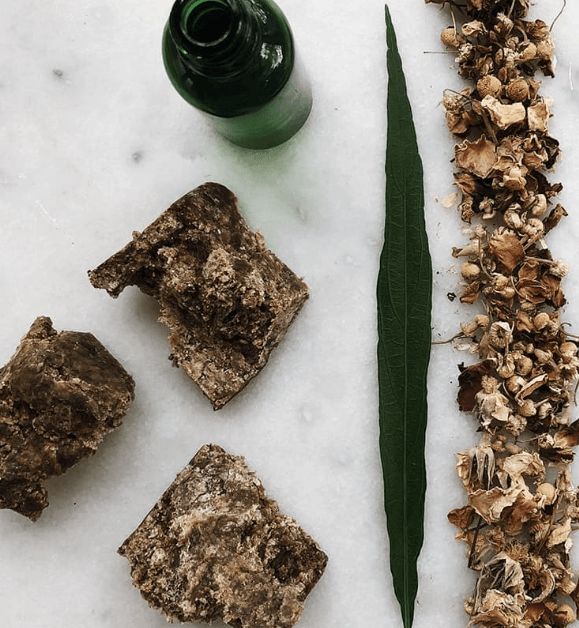
African black soap is a traditional West African cleanser made from plant ashes and oils, prized for its gentle exfoliation and suitability for various skin types. Unlike mass-produced commercial soaps, it contains no synthetic preservatives—which raises a legitimate question: does African black soap expire? The short answer is yes, but its longevity depends heavily on the form you buy and how you store it.
Understanding African Black Soap’s Composition
African black soap, known as Alata Samina in Ghana and Ose Dudu in Nigeria, is made through a traditional process combining plantain skin ash, cocoa pod ash, or shea tree bark with palm kernel oil and shea butter . This production method results in a soap that is naturally soft, high in glycerin, and free from synthetic preservatives .
Because traditional black soap lacks preservatives, it is more vulnerable to environmental factors like moisture and humidity than commercial hard-milled soaps. However, this same lack of additives means it can remain effective for an extended period when properly stored.
Typical Shelf Life by Type
The shelf life of African black soap varies significantly depending on its form and whether it is commercially packaged or freshly made. The table below summarizes typical timeframes reported by manufacturers and retailers.
Some manufacturers report even longer shelf lives. One retailer lists a five-year shelf life for their bar soap, while another states that black soap can last “several years” as long as it lathers properly and shows no signs of mold or rancidity . These longer estimates generally assume ideal storage conditions.
Factors That Affect Longevity
Storage Conditions
Moisture is the primary enemy of African black soap. Because of its high glycerin content, the soap acts as a humectant, actively drawing moisture from the air . In a steamy bathroom, this causes the bar to become tacky, soft, and ultimately mushy. A cool, dry location dramatically extends its usable life .
Formulation Differences
Commercial black soaps often contain preservatives and hardeners that extend shelf life, while truly traditional, raw black soap does not . This means two bars of “African black soap” can have vastly different longevity depending on whether they are artisanal or mass-produced products.
Exposure to Air and Light
Prolonged exposure to air and direct sunlight can accelerate the soap’s breakdown. Wrapping unused portions in wax paper or breathable cloth—rather than sealed plastic—helps preserve texture by allowing the soap to breathe while protecting it from excessive moisture .
How to Tell If African Black Soap Has Gone Bad
Even with careful storage, African black soap can eventually deteriorate. Recognizing the signs of spoilage is essential for safety and efficacy.
| Sign | What to Look For | Action |
|---|---|---|
| Mold | Fuzzy, slimy, or colored growth (distinct from powdery white bloom) | Discard immediately |
| Rancidity | Sharp, unpleasant, “off” odor replacing the natural earthy scent | Discard |
| Texture breakdown | Excessive mushiness that persists even when dry | Discard if unusable |
| Reduced lather | Soap no longer produces adequate lather when wet | May still be usable, but effectiveness declining |
It is important to distinguish between normal variation and actual spoilage. Traditional African black soap naturally varies in color, texture, and scent from batch to batch . A fine, dry, powdery white coating on the surface—often mistaken for mold—is actually “soap bloom,” a harmless crystalline structure that washes away with the first lather . Genuine mold, by contrast, appears fuzzy, slimy, or colored and is typically associated with soap that has been left sitting in standing water .
Best Practices for Maximizing Shelf Life
For Unused Soap
- Cut larger blocks into smaller portions. This allows you to use one piece while keeping the rest protected .
- Wrap in wax paper or breathable cloth. Avoid sealed plastic, which can trap moisture .
- Store in a cool, dry location. A cupboard away from the shower or a climate-controlled room is ideal .
- Consider an airtight container for humid environments. If you live in a particularly damp climate, sealing soap in an airtight container after thoroughly drying can help .
For Daily Use
- Use a well-draining soap dish. The dish should have elevated ridges or spikes and generous drainage holes so the bar never sits in standing water .
- Keep the bar out of the direct shower stream. A single exposure to flowing water can dissolve a significant portion of the soft bar .
- Allow the bar to dry completely between uses. This is the single most important factor in preventing mushiness .
- Store away from other strongly scented products. Black soap can absorb odors from its surroundings .
Frequently Asked Questions
Can I use African black soap after its expiration date?
If the soap still lathers properly and shows no signs of mold or rancidity, it may remain effective past its stated shelf life . However, once mold or a rancid odor develops, discard it.
Does liquid African black soap expire faster than bar soap?
Liquid soap contains water, which creates a more hospitable environment for microbial growth. While commercial liquid black soaps contain preservatives, homemade or preservative-free liquid versions should be used more quickly and stored in the refrigerator if possible.
Why did my black soap turn soft and mushy?
This is almost always due to moisture exposure. Authentic African black soap is naturally soft and water-soluble, so leaving it in a wet soap dish or in the shower stream will cause it to break down rapidly .
Is the white coating on my black soap mold?
Most likely not. A dry, powdery white coating is “soap bloom,” a harmless crystalline formation that occurs when glycerin and other ingredients migrate to the surface. It washes off with use. Fuzzy or slimy growth is mold and requires disposal .
Conclusion
African black soap does expire, but its shelf life is highly variable—ranging from six months for fresh, raw soap to several years for well-stored commercial bars. The key determinants are the soap’s formulation (preservative-free vs. commercial), its form (bar, liquid, or paste), and critically, how it is stored. By keeping the soap dry, cool, and protected from excessive moisture, you can significantly extend its usable life. When in doubt, inspect for mold, trust your nose for rancidity, and remember that traditional black soap’s natural batch-to-batch variation is a sign of authenticity, not spoilage.