Can You Brush Your Teeth With Soap? A Comprehensive Guide
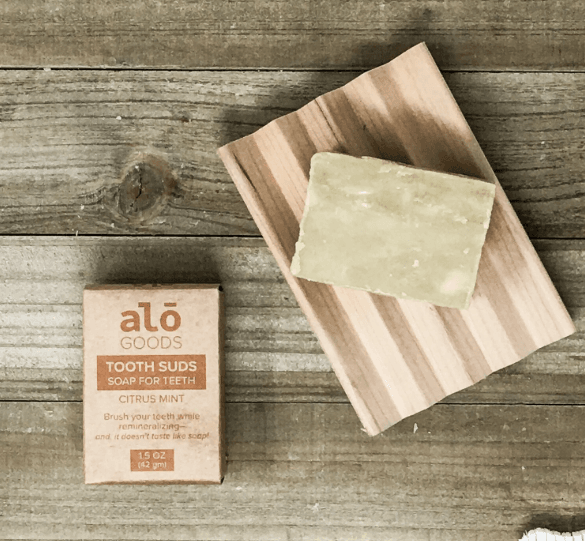
Quick Answer: While you can physically brush your teeth with certain types of natural soap, dental professionals strongly advise against using household soap as a regular substitute for fluoride toothpaste. Specialty “tooth soaps” exist, but they lack essential cavity-fighting ingredients and evidence of long-term safety.
The Origins of Brushing with Soap
The idea of using soap for oral hygiene is not entirely new. Historical texts from the 19th century document the practice of using a toothbrush rubbed on soap, sometimes followed by a chalk powder, to cleanse teeth and remove mucous secretions from the gums . The rationale at the time was that both soap and chalk were alkaline, which was believed to check fermentation (acid production) in the mouth.
More recently, the modern “tooth soap” movement gained traction in the early 2000s, inspired by the writings of Gerard F. Judd, Ph.D., a chemistry professor who argued that certain toothpaste ingredients—particularly glycerin and fluoride—were harmful. Judd’s book, Good Teeth Birth to Death, recommended brushing with pure soap, claiming that glycerin coats teeth and prevents remineralization, while soap cleans effectively and allows saliva to restore minerals naturally .
This philosophy led to the creation of commercial products like “Tooth Soap,” marketed as an all-natural alternative free from fluoride, silica, dyes, and artificial sweeteners .
What Does “Soap” Mean in This Context?
A critical distinction must be made between household soap (bar soap, hand soap, dish soap, Castile soap) and specially formulated tooth soap.
The Case For and Against Brushing with Soap
Proponents’ Claims
Advocates of tooth soap argue that:
- Glycerin in toothpaste allegedly forms a coating on teeth that prevents remineralization. Proponents claim it takes up to 27 rinses to remove glycerin from teeth .
- Sodium lauryl sulfate (SLS) , a common foaming agent in toothpaste, is a known irritant linked to canker sores .
- Soap is alkaline, which may help neutralize mouth acids that cause decay .
- Soap cleans effectively by creating high-viscosity foam that can physically entrap bacteria and food particles .
The Professional Dental Perspective
Dental professionals and organizations have raised significant concerns:
- No fluoride: The most important cavity-prevention ingredient is absent from soap. Fluoride strengthens enamel and prevents decay; soap does not .
- Lack of evidence: There are no clinical trials proving tooth soap’s effectiveness. It is classified as a cosmetic by the FDA and has not been evaluated by the ADA .
- Missing abrasives: Unlike toothpaste, soap contains no mild abrasives (like silica) to remove surface stains. Without them, teeth may become dull and dingy over time .
- Potential enamel etching: Research from 1975 showed that detergent solutions can etch human enamel and increase susceptibility to acid attack .
- Gum irritation and gum disease: A documented case study described a 42-year-old man who refused professional oral hygiene products and used soap to brush his teeth. He developed dental plaque deposits and biofilm-induced gingivitis .
- pH concerns: Many soaps are not pH-neutral, which can disrupt the oral environment .
Comparison: Tooth Soap vs. Conventional Toothpaste
The Science of Soap as a Cleanser
Soap works by acting as a surfactant—its molecules have one end that binds to water and another that binds to oils and dirt. This allows soap to lift grease and debris from surfaces, including teeth. In a patent for a high-soap-content dentifrice, researchers found that foams produced from concentrated soap solutions (25-50% soap) had high viscosity and could physically entrap bacteria and food particles .
However, this mechanism is primarily about physical removal of debris. The toothbrush itself does most of the plaque disruption. Soap adds no chemical protection against decay.
What About Coconut Oil in Soap?
Many tooth soaps contain coconut oil, which has gained popularity in oral care. A 2016 study found that coconut oil was as effective as chlorhexidine in reducing Streptococcus mutans (a cavity-causing bacterium) in a controlled study . However, this does not mean that brushing with coconut-oil-based soap prevents cavities. The mechanical action of brushing and the presence of fluoride are the primary drivers of cavity prevention.
Safe Alternatives When You Have No Toothpaste
If you find yourself without toothpaste, dental professionals recommend the following temporary options instead of soap:
Do NOT use: Dish soap, hand soap, body bar soap, or any product containing artificial fragrances, dyes, or harsh detergents .
When Brushing with Soap Might Be Acceptable
There is one narrow scenario where a specialty tooth soap might be considered: if you have a documented allergy or sensitivity to toothpaste ingredients and have consulted with your dentist. Even then, a fluoride-free soap means you are missing critical cavity protection, and your dentist would need to monitor your oral health more closely.
Some dentists who recommend tooth soap do so based on concerns about specific toothpaste ingredients rather than strong evidence of soap’s superiority . As one dental hygienist noted, “When you get a natural product, it is more of a personal choice than an evidence-based one” .
Frequently Asked Questions
Can I brush my teeth with soap if I run out of toothpaste?
Only if you use a mild, natural soap specifically formulated for oral use—and only as a one-time emergency measure. Even then, brushing with water alone is safer and nearly as effective for plaque removal .
Does brushing with soap whiten teeth?
No. Soap may remove some surface stains, but it contains no bleaching agents and no abrasives to polish enamel. There is no evidence it whitens better than toothpaste .
Is Castile soap safe for teeth?
Castile soap is plant-based and milder than many soaps, but it is not formulated for oral use and can irritate gums or cause stomach upset if swallowed. Dr. Bronner’s even lists a method for brushing teeth with their bar soap on their dilution guide, but this is not a recommendation endorsed by dental professionals .
What about the glycerin claim?
The theory that glycerin coats teeth and prevents remineralization comes from one researcher’s writings, not from peer-reviewed clinical trials. Major dental organizations do not accept this claim as established science .
The Bottom Line
You can physically brush your teeth with certain specialty soaps, but you should not make it your routine. The overwhelming consensus among dental professionals is that fluoride toothpaste remains the gold standard for daily oral care. Soap lacks fluoride, abrasives, and the extensive safety and efficacy testing that toothpaste undergoes.
If you are curious about natural oral care alternatives, speak with your dentist. They can help you find a product that balances your preferences with actual protection for your teeth.
Summary Table: Key Takeaways
This article is for informational purposes only and does not constitute dental advice. Consult your dentist for personalized recommendations.