The Complete Guide to Removing Rust Stains from Plastic: Proven Methods and Science
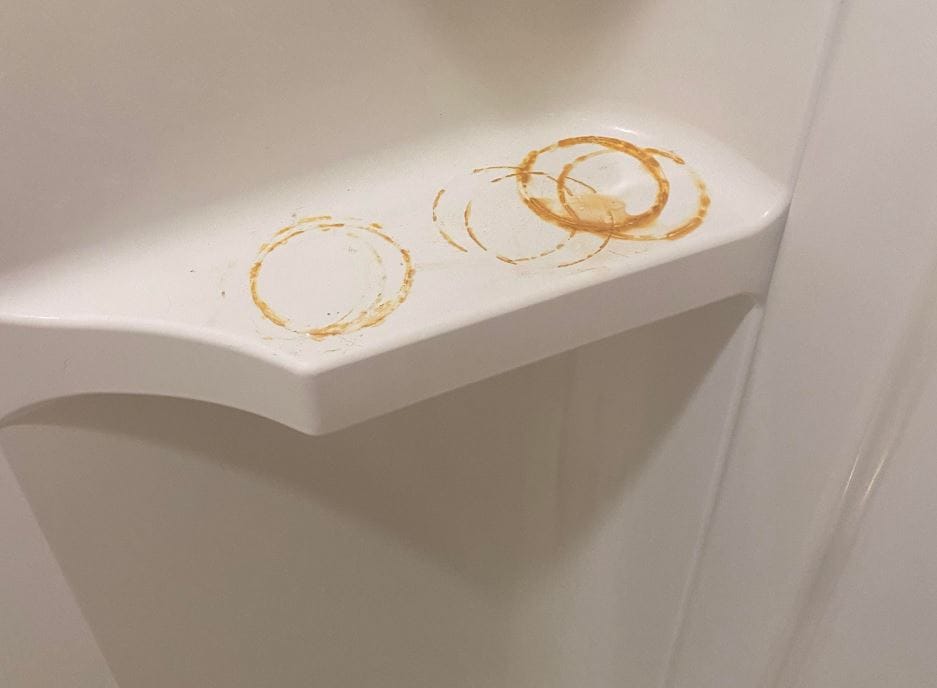
Rust stains on plastic are an unsightly paradox. You expect iron to oxidize, but you don’t expect that oxidation to migrate and bond tenaciously to an inert polymer surface. Whether it’s a patio chair stained by a forgotten iron planter, a plastic toilet seat discolored by tank components, or a kayak stained by metal rivets, the stain is not just dirt—it is a chemical bond.
This guide provides a definitive, step-by-step breakdown of how to lift rust from plastic without damaging the substrate. We move beyond folklore (like scrubbing with salt) and focus on the chemistry of stain removal, comparing methods for efficacy, safety, and application.
The Science of the Stain: Why Plastic Turns Orange
To remove rust from plastic effectively, you must understand the mechanism. Unlike metal, plastic is non-porous in its virgin state. However, factors create microscopic anchoring points for rust (iron oxide):
- Static Attraction: Plastic generally holds a negative electrostatic charge. Rust particles (iron oxide) often carry a positive charge, causing a stubborn electrostatic “cling.”
- Physical Entrapment: Weathering, UV degradation, and micro-scratches create peaks and valleys in the plastic surface. Iron oxide particles lodge in these microscopic fissures.
- Chemical Bonding (Chelation): Certain plasticizers or oxidized plastic surfaces can form weak ionic bonds with iron ions.
Therefore, effective cleaning is not just about wiping; it requires dissolving the iron (acid reaction) or breaking the electrostatic bond (surfactant/chelating action).
Critical Pre-Cleaning Protocol
Before applying any chemical, follow these steps to prevent grinding the rust deeper into the plastic:
- Dry Wipe: Use a microfiber cloth to lift loose surface dust. Do not use paper towels, which can scratch.
- Surfactant Wash: Wash with warm water and dish soap (a degreasing surfactant). This removes oils that might repel the water-based cleaners later.
- Patch Test: Test your chosen cleaning solution on an inconspicuous area, especially on painted plastics or acrylics.
Method 1: Chelation Therapy (The Heavy Artillery)
Best for: Severe, aged stains on outdoor furniture, vinyl siding, and boats.
Commercial rust removers designed for fiberglass and plastic (often containing oxalic acid or ethylenediaminetetraacetic acid) do not “scrub” the stain. They chemically dissolve iron oxide through chelation, turning it into a colorless, soluble salt.
- Key Products: Star brite Rust Stain Remover, Whink Rust Stain Remover (for white plastics only), Iron Out.
- Application:
- Apply the gel or liquid directly to the dry stain.
- Allow a dwell time of 30 seconds to 2 minutes. Do not let it dry.
- Agitate gently with a soft nylon brush.
- Rinse immediately and flood the area with water to neutralize the acid.
- The Hydrochloric Acid Warning: Avoid muriatic acid. It will remove the rust instantly but will likely yellow and chemically embrittle the plastic, causing stress cracking weeks later.
Method 2: The Household Acid Comparison
Best for: Mild to moderate stains, food containers, and indoor items.
Household acids convert insoluble iron oxide into soluble ferric ions that can be wiped away. However, the acid strength and dwell time are critical.
| Acid Agent | Efficacy | Speed | Risk to Plastic | Best Application |
|---|---|---|---|---|
| White Distilled Vinegar (5% Acetic Acid) | Moderate | Slow (Hours) | Very Low | Food containers, small toys, clear acrylics. |
| Lemon/Lime Juice (Citric Acid) | Moderate | Slow (Hours) | Very Low | Light surface misting on colored plastics (sunlight boosts it). |
| Cream of Tartar Paste | Low-Moderate | Slow (Hours) | None (Mild Abrasive) | Polishing hazy clear plastic; gentle scrubbing. |
| CLR (Lactic/Gluconic Acid) | High | Fast (Minutes) | Low (Test first) | Bathtub inserts, toilet tanks, PVC pipes. |
Procedure for Acid Soaks:
For items that can be submerged (Tupperware, toys), fill a sink with hot water and add 10% vinegar. Soak overnight. The extended dwell time compensates for the weak acid. For vertical surfaces, use a paper towel soaked in vinegar and press it onto the stain, wrapping the area in plastic wrap to prevent evaporation.
Method 3: The Abrasive Suspension Method
Best for: Textured, non-smooth plastic where chemicals can’t reach the bottom of the pores.
Sometimes, the rust sits on the peaks of a textured surface. You need a physical lift without scratching the gloss.
| Abrasive Formula | Mechanism | Results | Warning |
|---|---|---|---|
| Baking Soda Paste | Mild mechanical alkalinity. Breaks bond via friction, neutralizes acidic iron. | Good for light staining. | Must be a wet slurry; dry baking soda scratches. |
| Magic Eraser (Melamine Foam) | Acts like micro-grit sandpaper (4000-6000 grit). | Excellent for surface stains on hard plastic (switch plates, coolers). | Do not use on high-gloss or clear plastic. It will dull the finish permanently. |
| Soft Scrub with Bleach | Chlorine oxidizes the iron stain + surfactant + mild abrasive. | Very high on white plastic. | Chlorine fumes can yellow some colored plastics. Never mix with acids. |
Method 4: The Sunlight Photolysis Hack
Best for: White garden furniture and low-effort maintenance.
This passive method uses ultraviolet light to trigger a photochemical reaction.
- Saturate the rust stain with lemon juice or a 3% hydrogen peroxide solution.
- Place the item in direct, bright sunlight for 4–6 hours.
- The UV radiation accelerates the reduction of iron oxide, converting it to a form that is soluble in the juice and evaporates.
- Rinse clean.
Special Category: Removing Rust from Inside Plastic Containers
If your dishwasher left a rust flake that stained the interior of a white plastic tub, the plastic may have absorbed the color into the top microns.
- The Bleach Soak (The Nuclear Option): Diluted chlorine bleach (1 tbsp per gallon of water) is the only way to lift color that has migrated into the plastic polymer. Soak for 1-2 hours. Note: This will oxidize the surface, potentially leaving it rougher. After rinsing, rub the area with mineral oil to restore a smooth “mouth feel” to the plastic.
Comparative Effectiveness Table
To assist in selecting the right approach, the table below ranks methods by their safety-to-aggression ratio.
| Removal Method | Mechanism | Speed | Gloss Retention | Risk of Yellowing | Cost |
|---|---|---|---|---|---|
| Oxalic Acid Gel | Chelation (Dissolves) | Instant | High | None | $$ |
| Lemon + Sunlight | Photoreduction | 6 Hours | High | None | $ |
| Magic Eraser | Micro-Sanding | Instant | Low (Matte) | None (Whitening possible) | $ |
| Vinegar Soak | Acid Hydrolysis | 8 Hours | High | None | $ |
| WD-40 | Solvent Penetration | 10 Minutes | High (Oily residue) | None | $ |
| Acetone/Nail Polish Remover | Solvent | Instant | Very Low (Melts) | High (Damages plastic) | $ |
The WD-40 Anomaly
WD-40 is a solvent, not an acid. It doesn’t dissolve rust crystals. However, it is remarkably effective on recently deposited rust dust on smooth plastic. The penetrating oil creeps between the iron particle and the plastic, killing the static bond. Spray on, let it pool for 5 minutes, and wipe off. It is a perfect “rescue” for car bumpers with metallic brake dust.
Prevention: Passivation of the Environment
Once the stain is removed, prevent recurrence:
- Sealant: Apply a spray-on ceramic coating or plastic trim restorer. This fills the micro-fissures where rust likes to hide.
- Isolation: Use rubber or felt feet under metal furniture legs. Never let iron stand directly on plastic.
Frequently Asked Questions (FAQ)
Q: Can I use toothpaste to remove rust from plastic?
A: Yes, but only white, non-gel toothpaste containing hydrated silica. It acts as an ultra-fine polishing compound. It is less effective than baking soda but slightly safer for delicate gloss finishes. Avoid gel toothpastes, which are useless for rust.
Q: Does bleach set rust stains?
A: Contradictory results exist because of the chemistry. Chlorine bleach (hypochlorite) is an oxidizer. In some cases, it can react with iron to form a darker, more insoluble iron chloride stain. Use bleach only as a last resort for organic color absorption (dye-like staining), not for heavy flaky surface rust.
Q: Why did my plastic turn yellow after removing the rust?
A: This usually happens for two reasons. First, you used an acidic cleaner that stripped the protective UV coating and accelerated photo-degradation. Second, the plastic itself is old and chromophores in the polymer were oxidized by the cleaner. Retro-brightening (hydrogen peroxide and UV light treatment) can sometimes reverse this.
Q: How do I remove rust from clear plastic without scratching it?
A: Never scrub clear plastic (polycarbonate or acrylic) with baking soda or magic erasers. Soak the item in a mild acid (white vinegar or citric acid solution) for 12-24 hours. If the stain persists, use a liquid polishing compound designed for plastic headlights with a microfiber cloth.
Q: Is rust on plastic a health hazard?
A: The rust itself (iron oxide) is generally not bioavailable and is considered a nuisance rather than a toxicity concern. However, rusty nails or flaking metal left on food containers can harbor the tetanus bacteria if the rust originated from soil. Always sanitize plastic food containers with hot soapy water after chemical rust removal.
Q: Can Coca-Cola remove rust from a plastic toilet tank?
A: Yes. The phosphoric acid in cola is effective at dissolving iron oxide. Pour a bottle of room-temperature cola into the tank or bowl, let it sit for an hour (the phosphoric acid needs time to work), then brush lightly and flush. Rinse thoroughly to avoid sticky sugar residue.