How to Get Rid of Root Aphids: A Comprehensive Management Guide
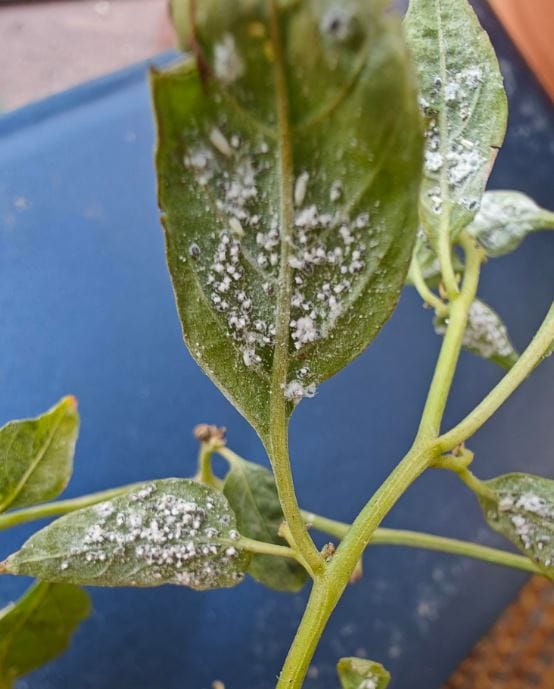
Root aphids represent one of the most challenging pest problems for both home gardeners and commercial growers. These sap-sucking insects live below the soil surface, feeding on plant roots and causing symptoms that often mimic nutrient deficiencies or drought stress. Their cryptic nature makes early detection difficult, and their soil-dwelling habit shields them from many conventional control methods .
This guide provides a comprehensive, evidence-based approach to identifying, managing, and eliminating root aphid infestations using integrated pest management (IPM) strategies.
Understanding Root Aphids
What Are Root Aphids?
Root aphids are aphid species defined by their habit of feeding on plant roots during part of their lifecycle. They are typically 2-3 mm long, with colours varying from yellow and green to brown, often with a white waxy appearance. Both winged (alate) and wingless forms exist, with winged individuals capable of migrating to new host plants .
Key Identification Features
Common Host Plants
Root aphids affect a wide range of plants, including:
- Vegetables: Lettuce, cabbage, carrots, beans
- Ornamentals: Roses, Primula, aquatic plants
- Herbaceous perennials: Solidago, ironweed, common rush
- Commercial crops: Hemp, Cannabis sativa
- Weeds and grasses (secondary hosts)
Life Cycle Considerations
Many root aphid species have complex life cycles involving both primary and secondary hosts. For example, lettuce root aphids overwinter as eggs on Lombardy and black poplar trees before migrating to lettuce and wild hosts in summer. Understanding the life cycle is critical for timing control measures effectively .
Symptoms and Diagnosis
Root aphids cause damage by sucking sap from plant roots, reducing water and nutrient uptake. Common symptoms include:
- Wilting despite adequate watering
- Stunted growth and reduced vigour
- Yellowing or discoloured foliage
- Premature leaf drop
- Plants failing to thrive or recover from stress
- Visible white waxy residue on root balls when inspected
Critical Note: Symptoms often resemble drought stress or nutrient deficiencies. The only reliable diagnostic method is to remove the plant from its container and inspect the root system .
Distinguishing Root Aphids from Other Soil Organisms
Control Methods: A Tiered Approach
Prevention and Cultural Controls
The foundation of root aphid management is prevention through good sanitation and cultural practices.
1. Quarantine and Inspection
- Inspect all new plants thoroughly before introducing to your collection
- Remove plants from pots and examine root balls for white waxy secretions
- Maintain a regular scouting schedule—weekly inspections are recommended for production environments
2. Sanitation Practices
- Do not reuse potting soil from infested plants
- Clean pots, tools, benches, and floors thoroughly
- Control weeds in and around growing areas, as they can serve as alternative hosts
3. Cultural Management
- Keep plants well-watered and fed to reduce stress from aphid feeding
- Practice crop rotation—avoid growing susceptible plants in the same soil for at least one year
- Where possible, tolerate low populations, as aphids form part of garden food chains
- In outdoor settings, avoid planting Lombardy poplars near lettuce crops
4. Physical Barriers
Chemical Control Options
When infestation is severe or plants are too valuable to discard, chemical controls may be necessary. Research from the University of Maryland and University of Delaware has identified several effective insecticides for root aphid management .
Professional-Grade Insecticides
Key Research Findings: A field trial evaluating insecticides for rice root aphid control found that flupyradifurone (Altus) gave 100% control, while the combination of Molt-X and Beauveria bassiana significantly reduced populations by approximately 88% . Pyrimethione also significantly reduced populations within two weeks of application .
Biorational Insecticides for Home Gardeners
Home gardeners should consider biorational insecticides as a safer alternative to synthetic chemicals :
Important Considerations:
- Chemical drenches must thoroughly saturate the growing medium to reach root-dwelling pests
- Multiple applications may be necessary to break the life cycle
- Always follow label instructions for rates and application timing
- Consider the potential impact on beneficial organisms and pollinators
Biological Control
Natural enemies can play a role in root aphid management, though biological control alone may not provide complete eradication .
Observed Natural Enemies:
- Mealybug destroyer (Cryptolaemus montrouzieri)—observed actively searching for root aphids in root zones
- Ladybirds and hoverflies—attack aphids in galls on poplar and on lettuce roots
- Two beetle species—found actively destroying root aphid colonies
The integration of biological control agents with targeted insecticide applications may offer a balanced management approach, though research on compatibility is ongoing .
Immediate Action for Severe Infestations
For heavily infested potted plants, the most effective approach may be:
- Remove the plant from its container
- Rinse roots thoroughly to remove soil and visible aphids
- Spritz roots with hydrogen peroxide to disrupt the life cycle and kill remaining larvae
- Discard all old soil and sterilise the pot
- Repot in fresh, clean growing medium
- Consider preventative drenching with an appropriate insecticide or biological agent
Note: This approach is most effective when combined with ongoing monitoring and follow-up treatments .
Resistance Management
To prevent the development of insecticide resistance:
- Rotate products with different modes of action
- Avoid repeated use of the same chemical class
- Integrate cultural, biological, and chemical methods
- Use insecticides only when pest populations exceed acceptable thresholds
Summary Table: Comparison of Control Options
| Control Method | Efficacy | Time to Effect | Safety Profile | Best For |
|---|---|---|---|---|
| Discard & Repot | High | Immediate | Excellent | Potted plants, small infestations |
| Biorational Insecticides | Moderate-High | 7-14 days | Excellent (safe up to harvest) | Home gardeners |
| Neonicotinoids (e.g., dinotefuran) | High | Days to weeks | Caution needed (pollinator risk) | Professional growers |
| Beauveria bassiana | Moderate-High | 7-14+ days | Safe (biological agent) | IPM programs |
| Flupyradifurone | Very High | Days | Minimal impact on beneficials | Commercial production |
| Cultural Controls | Preventive | Ongoing | Excellent | All growing situations |
Key Takeaways
- Early detection through regular root inspections is critical—visible leaf symptoms often indicate established infestations.
- Sanitation—never reuse potting soil from infested plants, and clean tools and pots thoroughly.
- For potted plants with severe infestations, discarding and repotting after root washing may be the most effective approach.
- Chemical options exist for valuable plants, with flupyradifurone showing 100% efficacy in recent trials .
- Integrated pest management (IPM) combining cultural, biological, and chemical methods offers the most sustainable long-term solution.
- Weather conditions can influence populations—high temperatures (>25°C) have been observed to reduce populations in some studies .