Can Leather Be Dry Cleaned? The Surprising Truth
Meta Description: Wondering, “Can leather be dry cleaned?” Get the definitive answer. Learn why traditional dry cleaning is risky, discover safe alternatives, and understand how to properly care for your leather garments.
Introduction
A beautiful leather jacket, a sleek pair of boots, or an elegant handbag—leather items are timeless investments. But when a spill happens or general grime sets in, the question arises: Can leather be dry cleaned? It seems like a logical solution for a delicate material, but the answer is more nuanced than a simple yes or no.
While some dry cleaners offer “leather cleaning” services, the conventional chemical process used on wool and silk can be disastrous for leather. Understanding why requires a look at the very nature of leather itself.
Why Traditional Dry Cleaning is Risky for Leather
At its core, leather is not a woven fabric; it is a porous, natural material—animal hide. Its durability and suppleness come from its natural oils and moisture content. Traditional dry cleaning uses powerful chemical solvents, like perchloroethylene (perc), to clean fabrics without water.
Expert Insight: “Think of leather as living skin. Just as your skin would become dry, cracked, and damaged from harsh chemicals, so does leather. The solvents in standard dry cleaning strips away the essential oils that keep leather flexible and strong,” says a veteran leather restorer with over 20 years of experience.
The risks of subjecting leather to a standard dry cleaning cycle are significant:
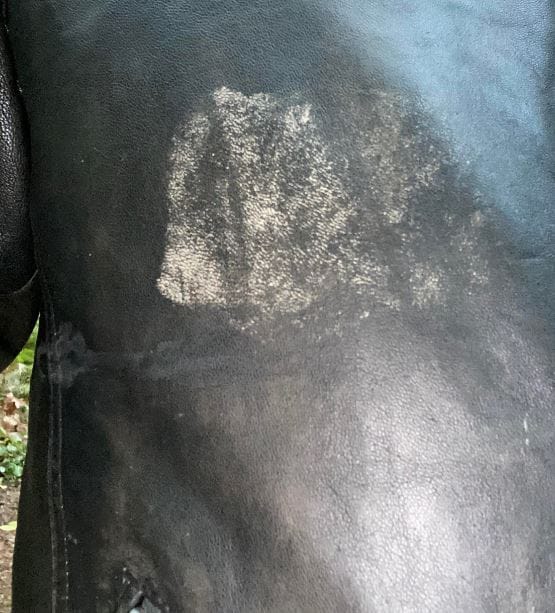
- Loss of Oils and Moisture: The chemicals dehydrate the leather, leading to stiffness, cracking, and a faded, dull appearance.
- Discoloration and Finish Damage: Most leathers have a protective topcoat or dye. Harsh solvents can dissolve this layer, causing colors to bleed or fade unevenly.
- Irreversible Stiffness: Once the natural oils are stripped, it is very difficult to restore the original soft, pliable texture.
- Residue Build-up: Chemicals can leave behind a residue that attracts more dirt and accelerates the aging process.
The Exception: Professional Leather Cleaning Services
So, is it ever safe? The key is to distinguish between generic dry cleaning and specialist leather cleaning.
Many reputable cleaners offer “leather dry cleaning,” but this is often a misnomer. What they actually provide is a specialized, multi-step process designed specifically for leather.
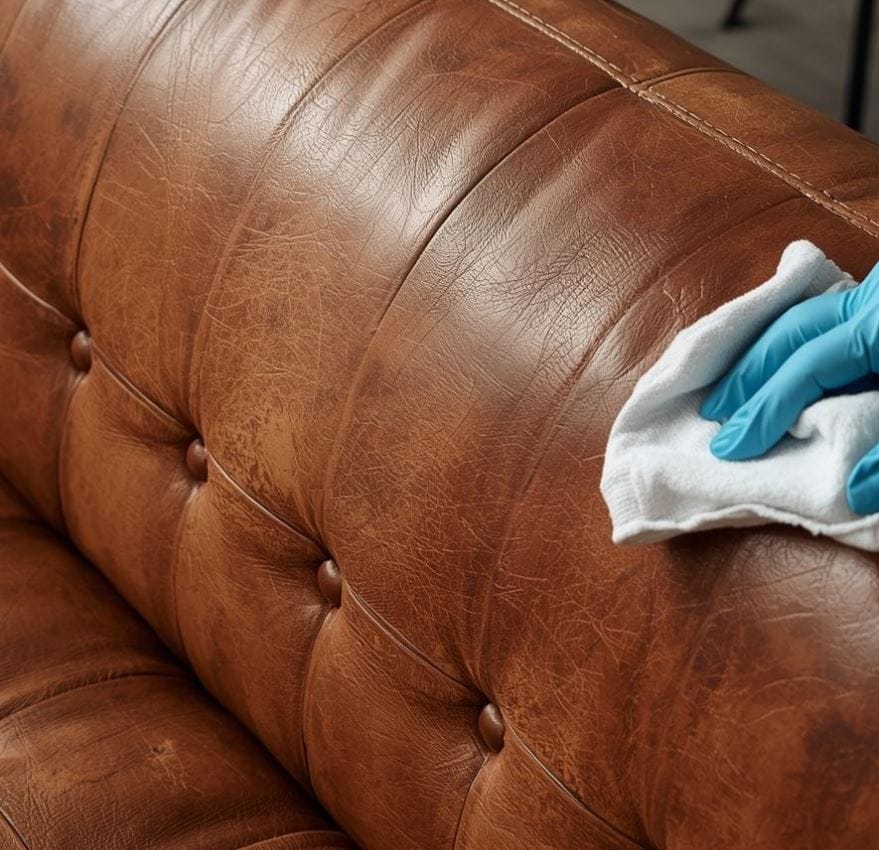
A professional leather cleaning service will typically:
- Inspection and Identification: They first identify the type of leather (e.g., aniline, semi-aniline, nubuck) and the type of stain.
- Spot Cleaning: Using gentle, leather-specific solutions, they treat stains individually.
- Gentle Cleaning: The item may be placed in a machine that uses milder, water-based or silicone-based solvents, but the cycle is carefully controlled.
- Re-oiling and Conditioning: This is the most critical step. After cleaning, technicians replenish the lost oils and fats with conditioners to restore suppleness.
- Re-dyeing and Finishing: If necessary, they can reapply color and a protective topcoat to restore the item’s original luster.
Always ask your cleaner to explain their process in detail before handing over your garment.
Leather Care Showdown: Dry Cleaning vs. Alternatives
The best way to care for your leather depends on the situation. Here’s a quick comparison:
| Method | Best For | Pros | Cons |
|---|---|---|---|
| Specialist Leather Cleaning | Major stains, overall deep cleaning, or valuable items. | Professionally done; can handle complex issues; includes reconditioning. | Most expensive option; requires research to find a qualified specialist. |
| At-Home Cleaning & Conditioning | Regular maintenance, light dirt, and dust. | Cost-effective; preserves leather between professional cleanings. | Risk of damage if wrong products are used; not for significant stains. |
| Traditional Dry Cleaning | Generally not recommended. | N/A | High risk of permanent damage, including cracking, discoloration, and stiffness. |
Safe At-Home Leather Care Tips
For routine upkeep, you can effectively maintain your leather at home.
- Dust and Vacuum: Regularly wipe with a soft, dry cloth to remove surface dust. Use a soft brush attachment on a vacuum for suede and nubuck.
- Spot Clean Gently: For fresh spills, blot immediately with an absorbent cloth. For dried dirt, use a slightly damp cloth. Never soak the leather.
- Use a Leather Cleaner: Always use a pH-balanced cleaner specifically formulated for leather. Test it on a small, hidden area first.
- Condition, Condition, Condition: This is the most important at-home step. Use a quality leather conditioner every 6-12 months to replenish oils and prevent drying and cracking.
The Final Verdict
So, can leather be dry cleaned? The clear answer is: You should avoid traditional dry cleaning at all costs.
The safe and effective path is to seek out a professional leather care specialist who uses methods and products designed explicitly for leather’s unique biology. For day-to-day care, a regimen of gentle dusting and regular conditioning with the right products will keep your leather items looking luxurious for years to come. Your leather is an investment—treat it with the specialized care it deserves.