Key Obstacles in Discovering Who Owns a Commercial Property
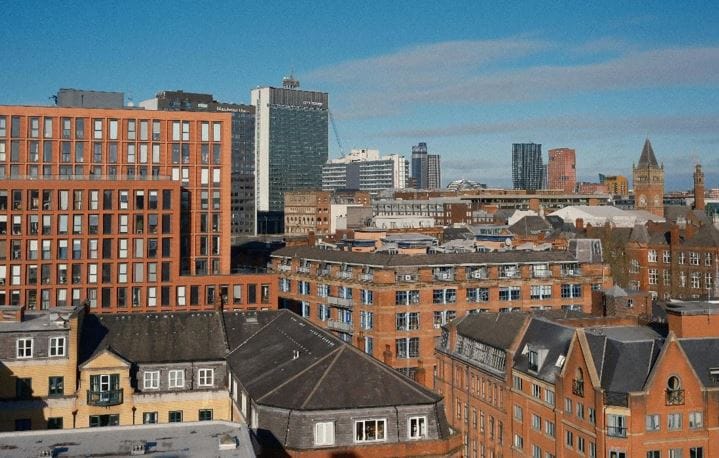
Commercial property refers to land and buildings that are used mainly for business purposes unlike residential property that refers to a home dwelling. A commercial property can include everything from warehouses, industrial sites, office blocks, shopping centres to hospitality venues and more.
When it comes to residential properties, their ownership records are usually easy to find or at least can be sourced easily. However, when it comes to commercial property, they are held through sophisticated legal financial structures. Assets can change hands, foreign investment is on the rise and complex documentation can sit behind many commercial sites, which makes trying to find out the true owner far from straightforward. In this article, we look at some of the key obstacles in discovering who owns a commercial property.
Outdated public records
Public registries like the Land Registry are a great place to start if you’re looking to get a better understanding of who owns a commercial property, but it is not always that straight forward. There are ways to help you source construction leads in a faster and easier ways now so that you do not have to spend hours of your day manually going through lists.
Issues arise when there are gaps in paperwork, especially when it comes to older properties that may not have been registered at all, or if they have not changed ownership for several decades.
Records can also be out of date if transactions have been delayed, leaving newly transferred titles or changes in ownership unrecorded for months. Other common issues include missing or incomplete deeds, unclear boundary information, clerical errors and digitalisation gaps, which can make the process of identifying ownership more complicated.
Layers of ownership structures
Another obstacle you might encounter when trying to find out who owns a commercial property is the layers of ownership structures through which these types of assets are often held.
Unlike residential properties which are often owned by individuals, commercial properties are often controlled by subsidiaries, holding companies, special purpose vehicles (SPVs), trusts, pension funds, partnerships or nominee companies that act on behalf of undisclosed owners. These are legal arrangements that have legitimate purposes, like investment flexibility, risk management and increased tax efficiency. However, they can make it much more difficult to find an owner, individual or group of organisations that have control.
Complex title arrangements
Intricate title histories are common with commercial properties. One site might have many different parcels each with a different owner, which can lead to split titles that can be difficult to piece together. Another obstacle can be leasehold arrangements whereby a long-term tenant controls the property while the freeholder who owns the land can be a different party.
You can also encounter issues as a result of financial interests like liens, charges and mortgages which can complicate matters, especially when investors or lenders have influence over the property (even if they aren’t the registered owner of it).
Multiple stakeholders
Commercial properties often have a wide range of stakeholders that go far beyond the legal owner. Some examples of these include asset managers, private equity firms, developers, local authorities, lending institutions, overseas investment groups and contractors.
You might be able to find a title owner for a property but can get into issues when it also has other parties who control day-to-day management decisions, hold financial claims or have some form of influence over redevelopment rights. Depending on your reason for wanting to know the owner of the commercial property, it can make it difficult to find the right person or business to contact for legal discussions, enquiries or negotiations.
International ownership
A common trend that’s on the rise in commercial real estate is cross-border ownership, especially for high value properties. Assets can be owned by companies registered in countries with limited disclosure requirements, which include the likes of Delaware, Panama as well as the British Virgin Islands.
Loopholes can remain, even with recent measures that require overseas entities to declare beneficial owners. Some countries even allow nominee directors or shareholders who aren’t required to disclose the identity of the people that they’re representing. This can make it difficult to trace who actually owns a commercial property.